Author: Brittany Hart (page 13 of 31)

Discovering the Rich Tapestry of Marine Life: An Underwater Journey

The vast ocean covers over 70% of our planet’s surface and is home to an incredible array of marine life. From the smallest plankton to the largest whales, the ocean’s biodiversity is both vital and awe-inspiring. Marine life not only supports a rich ecosystem but also plays a fundamental role in maintaining the health of our planet by regulating the climate and providing resources for humans. In this article, we’ll dive into the depths of the ocean to explore the complexity of marine life and the factors that impact it. This journey will take us from the colorful coral reefs to the mysterious deep-sea creatures, underscoring the necessity of protecting this precious and dynamic environment.

The Ocean’s Layers and Habitats

The Sunlit Zone

At the very top is the epipelagic or sunlit zone, which extends from the surface down to about 200 meters. This is where light penetrates, and photosynthesis can occur, allowing plant-like organisms, such as phytoplankton, to thrive. This zone is bustling with life, including most of the fish and marine mammals we are familiar with.

The Twilight Zone

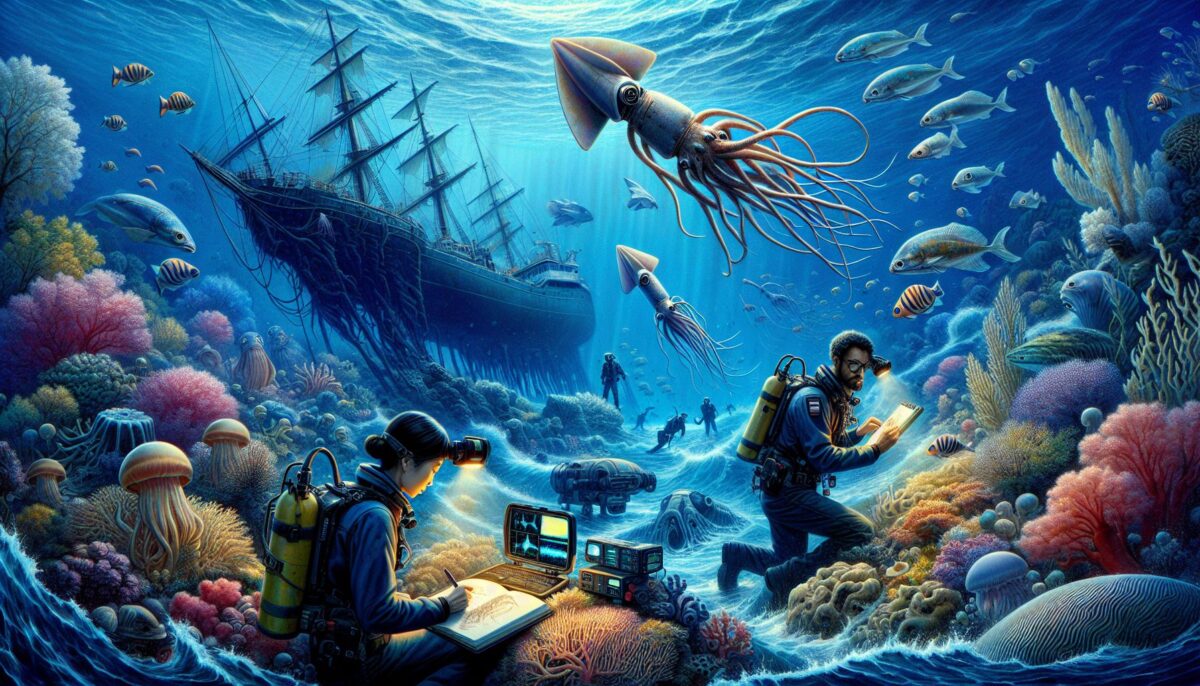
Beneath the epipelagic is the mesopelagic or twilight zone, ranging from 200 to 1,000 meters. Light starts to fade in this layer, and the marine life here has adapted to the darker conditions. Bioluminescent organisms, such as certain species of jellyfish and squid, can generate their own light in this dim environment.

The Midnight Zone

Further down, between 1,000 and 4,000 meters, is the bathypelagic or midnight zone. Here, in perpetual darkness, the water pressure rises, and the temperature drops. Despite such extreme conditions, life still persists. Strange and fascinating creatures like the anglerfish and the giant squid call this depth home.

The Abyssal Plain

Lying between 4,000 and 6,000 meters, the abyssal plain covers the seafloor with fine sediment. Organisms here include various species of worms, sea cucumbers, and other creatures that have adapted to the intense pressure and lack of light.

The Hadal Zone

The deepest parts of the ocean are in the hadal zone, which begins at around 6,000 meters in oceanic trenches. The most renowned of these is the Mariana Trench, where only specialized equipment and few organisms, such as the snailfish, can withstand the extremities.

A Kaleidoscope of Marine Life

Coral Reefs: Cities of the Sea

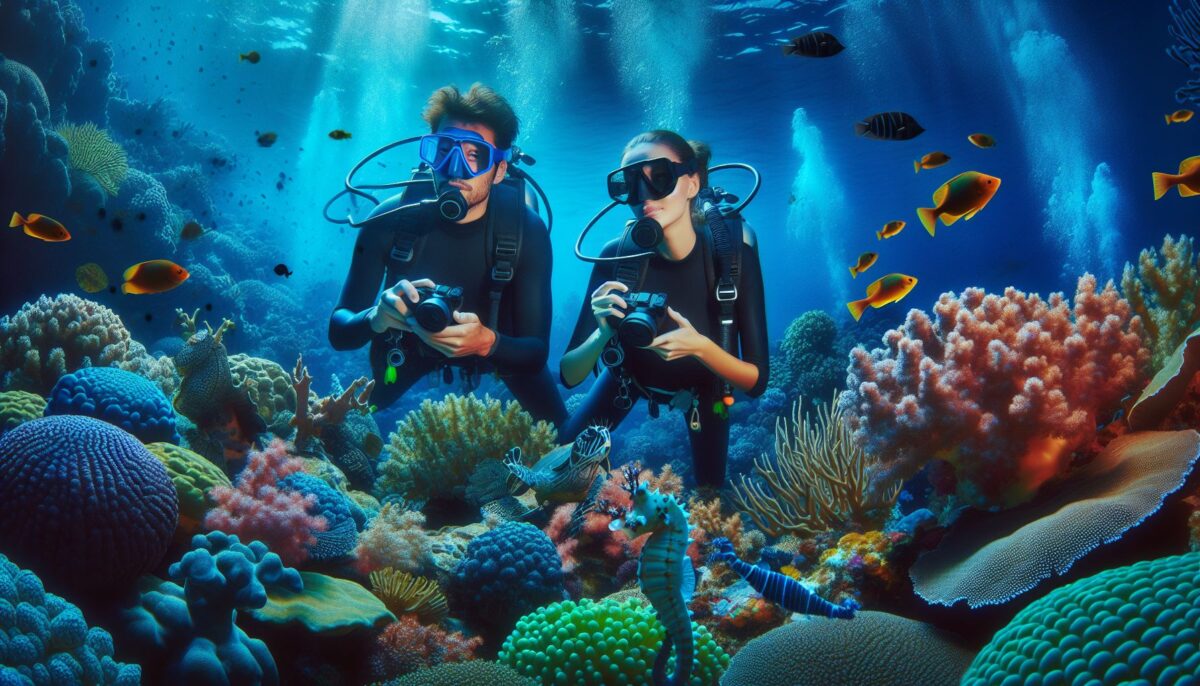
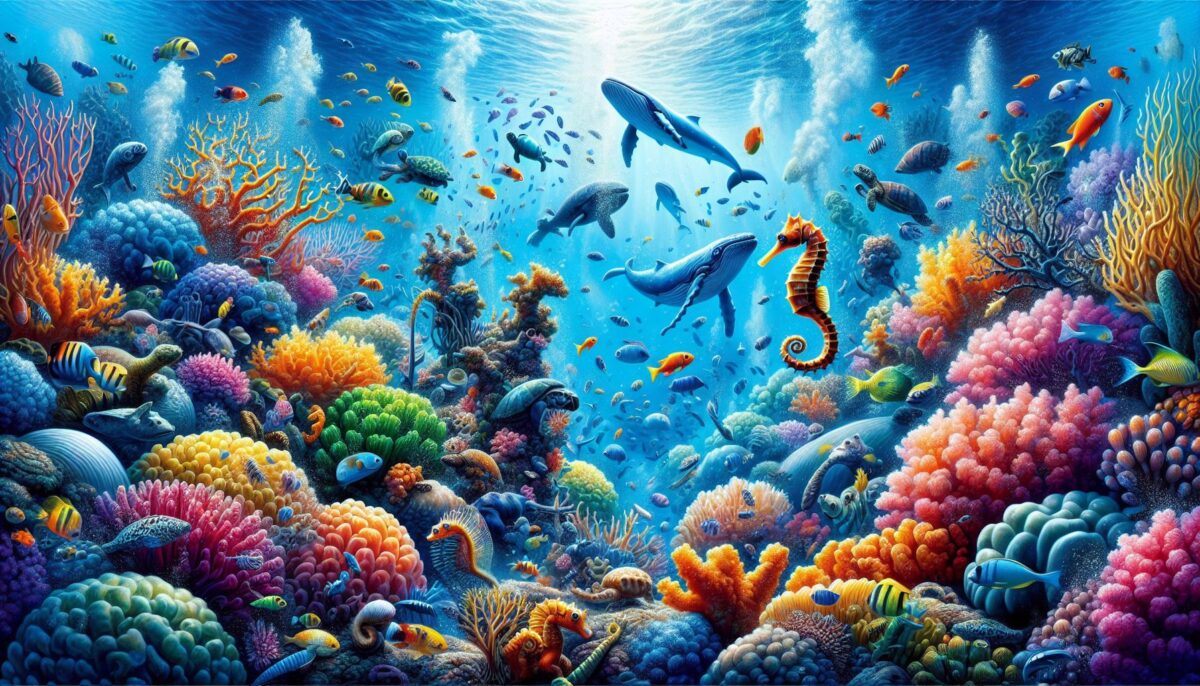
Coral reefs, often dubbed as “rainforests of the sea,” are some of the most diverse ecosystems on Earth. They are structures formed by the calcium carbonate skeletons secreted by coral polyps and are essential habitats for a multitude of marine organisms. Coral reefs support more species per unit area than any other marine environment, including over 4,000 species of fish and 800 species of coral.

Open Ocean Wanderers

The open ocean, or pelagic zone, is home to nomadic creatures like the mighty blue whale, the largest animal to have ever existed. Marvels of evolution such as the sailfish, the fastest fish in the ocean, and the great white shark, apex predator of the seas, roam this vast expanse.

The Deep Sea’s Mysterious Inhabitants

The abyssal and hadal zones are full of mysterious life forms. The deep-sea dragonfish, with its jaw full of needle-like teeth, and the hagfish, known for its slime-producing capabilities, are just two examples of the bizarre adaptability found in the deep.

Coastal Nursery Grounds

Closer to shore, estuaries and bays serve as nurseries for many marine species. Juvenile fish and invertebrates take refuge in these sheltered waters where salinity mixes and food is plentiful, increasing their chances of survival and growth.

Threats to Marine Life

Overfishing

Human activity poses significant threats to marine life, with overfishing being one of the most pressing concerns. The Food and Agriculture Organization (FAO) reports that 34.2% of fish stocks are fished at biologically unsustainable levels. Overfishing disrupts the balance of marine ecosystems, leading to the decline of certain species and impacting the larger food web.

Pollution

Pollution is another critical threat to marine life. Plastic debris, chemicals, and oil spills can be devastating to both marine creatures and their habitats. These pollutants can be ingested by animals, leading to injury, illness, or death.

Climate Change

Climate change has far-reaching effects on the ocean, causing shifts in ocean currents, increasing sea temperatures, and leading to ocean acidification. These changes can alter habitats, force species to migrate, and result in coral bleaching, where corals lose their symbiotic algae, turning white and making them susceptible to disease.

Habitat Destruction

Habitat destruction, whether through coastal development, bottom trawling, or destructive fishing practices like the use of dynamite or cyanide, can cause irreversible damage to marine ecosystems. These practices strip the ocean of its complex habitats, which are crucial for the survival of many species.

The Importance of Conservation

Marine Protected Areas (MPAs)

To mitigate threats, Marine Protected Areas (MPAs) have been established globally. These areas are critical for the conservation of biodiversity, helping to protect marine life from overfishing and habitat destruction.

Sustainable Fisheries

Sustainable fisheries management seeks to allow fish populations to replenish and maintain their ecological role. Tools such as fishing quotas, gear restrictions, and enforcement of no-take zones can assist in this endeavor.

Pollution Control

Efforts to control pollution include regulations on the use of plastic, proper waste management, and initiatives to clean up marine debris. Reducing the input of pollutants into the ocean is vital for the health of marine life.

Climate Action

Combatting climate change requires global cooperation to reduce greenhouse gas emissions. Actions such as moving towards renewable energy resources, protecting and restoring blue carbon ecosystems like mangroves, and reducing individual carbon footprints all contribute to safeguarding the marine environment.

Conclusion: A Call to Action

The majesty of marine life is not just a spectacle for us to observe—it’s a critical component of our world that demands our respect and protection. We must act on multiple fronts: combatting climate change, enforcing sustainable fishing practices, reducing pollution, and supporting conservation initiatives. Each of us has a role to play in preserving the diversity and beauty of marine life. Together, we can ensure that the rich tapestry of the ocean continues to flourish for generations to come.

Sources

  • Food and Agriculture Organization of the United Nations. (2020). The State of World Fisheries and Aquaculture 2020. [online] Available at: http://www.fao.org/state-of-fisheries-aquaculture
  • National Oceanic and Atmospheric Administration. (n.d.). Coral Reef Conservation Program. [online] Available at: https://www.coris.noaa.gov/
  • World Wildlife Fund. (2020). Marine: Ocean and Coasts. [online] Available at: https://www.worldwildlife.org/initiatives/oceans
Navigating the Future: The Critical Role of Marine Protected Areas in Sustaining Marine Biodiversity

The ocean, covering over 70% of the Earth’s surface, is a vast and dynamic environment, home to an extraordinarily diverse range of life forms. From the colorful coral reefs to the mysterious depths of the abyss, the marine environment has provided resources and services that are fundamental to human cultures and livelihoods. However, as human activities expand into these waters, marine ecosystems across the world are facing immense pressures. One of the pivotal responses to these challenges is the establishment of Marine Protected Areas (MPAs). This article will dive into the depths of why MPAs are vital for conserving marine biodiversity and how they can help sustain the planet’s blue economy.

What are Marine Protected Areas?

Marine Protected Areas (MPAs) are clearly defined geographical spaces in the ocean that are recognized and managed through legal or other effective means to achieve the long-term conservation of nature with associated ecosystem services and cultural values. Just like national parks and wildlife refuges on land, MPAs are set aside with the goal of conserving nature, benefiting wildlife, and protecting ecosystems for future generations.

MPAs come in various forms and are established and managed by different levels of government, from local to global, based on conservation mandates. They can also differ in their objectives, ranging from strictly no-take zones, where all extractive activities are prohibited, to multiple-use areas that allow for certain types of fishing, tourism, and even limited resource extraction under a management plan.

The Importance of Marine Biodiversity

Biodiversity refers to the variety of life in a particular habitat or ecosystem. Marine biodiversity, specifically, includes the vast array of plants, animals, and microorganisms, the genetic differences between them, and the complex ecosystems they form in the ocean.

Diverse ecosystems are not just aesthetically engaging; they are also more resilient to environmental changes and provide a myriad of services including:

  • Provisioning Services: Seafood, natural medicines, and genetic resources.
  • Regulating Services: Carbon sequestration, waste decomposition, and water purification.
  • Cultural Services: Recreational, spiritual, and educational values.
  • Supporting Services: Nutrient cycling, soil formation, and primary production.

With increasing threats such as overfishing, pollution, climate change, and ocean acidification, marine biodiversity is at risk. The loss of marine biodiversity means not only the disappearance of species but also deterioration in the health and productivity of the entire ocean ecosystem.

The Role of MPAs in Marine Conservation

The establishment of MPAs is a globally recognized solution for marine conservation. Let’s look at key benefits of MPAs:

  1. Biodiversity Protection: MPAs protect habitats and provide refuge for marine life, leading to the preservation and recovery of threatened and endangered species.
  2. Fishery Management: By safeguarding critical spawning and nursery habitats, MPAs can help replenish fish stocks and sustain fisheries outside their boundaries.
  3. Ecosystem Resilience: Healthy marine ecosystems can better withstand and recover from severe weather events and changing environmental conditions.
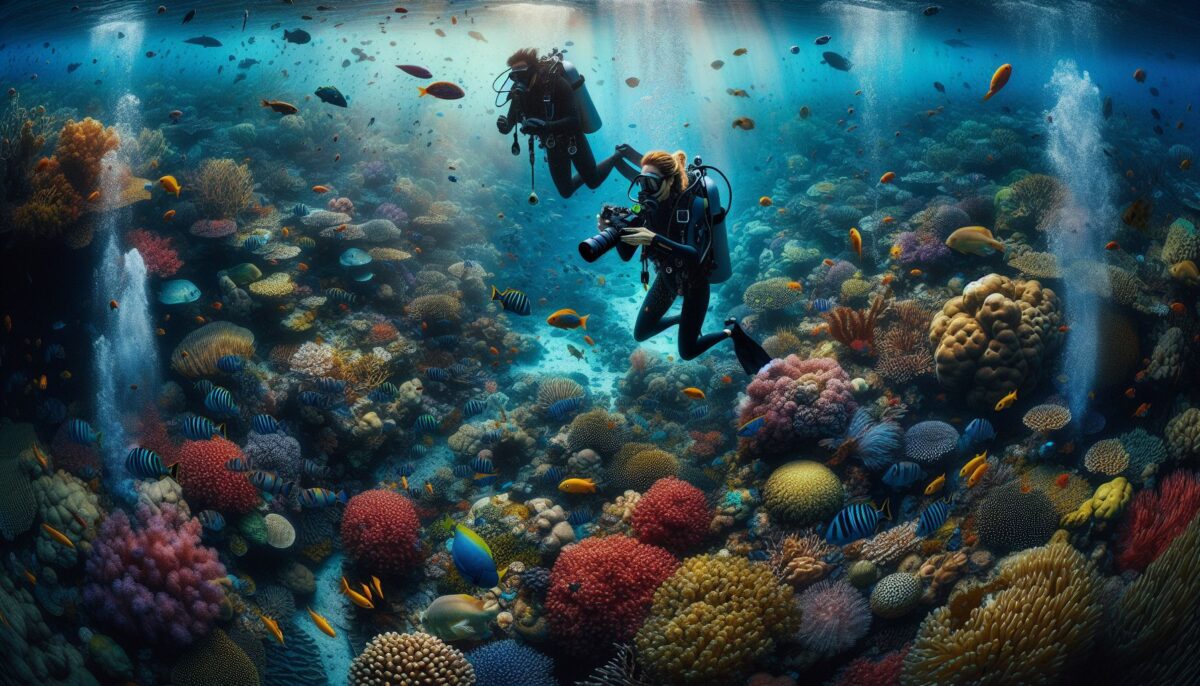
  4. Cultural and Recreational Opportunities: MPAs often support recreational activities like diving and snorkeling, which can enhance tourism and local economies.
  5. Scientific Research: MPAs provide living laboratories for scientists to study undisturbed ecosystems, improve conservation strategies, and monitor climatic and oceanographic changes.

Success Stories: The Impact of MPAs

The Great Barrier Reef Marine Park, Australia

The Great Barrier Reef is one of the most famous MPAs globally, established in 1975 to protect the world’s largest coral reef system. Despite facing threats like coral bleaching and cyclones, the protected area has shown that well-managed MPAs can lead to increased biodiversity, with spillover benefits for the surrounding areas.

The Papahānaumokuākea Marine National Monument, USA

This vast MPA in the Northwestern Hawaiian Islands is one of the world’s most extensive conservation areas. Since its expansion in 2016, it has showcased the positive effects of large-scale protection on marine life, including increases in populations of endangered species, like the Hawaiian monk seal and the green sea turtle.

Challenges and Controversies

While the benefits of MPAs are clear, they also face challenges and controversies:

  • Enforcement and Compliance: Protection is only as effective as its enforcement. Many areas suffer from illegal activities due to the lack of resources for monitoring and enforcement.
  • Local Livelihoods: Restrictions on fishing and other activities can impact local communities, leading to conflicts over MPA boundaries and regulations.
  • Climate Change: MPAs cannot stop the effects of global warming, acidification, and sea-level rise, which call for broader international efforts to reduce greenhouse gas emissions.

Towards Effective Marine Conservation

For MPAs to be successful, several factors must be considered:

  • Effective management plans that include stakeholder participation and comprehensive enforcement strategies.
  • Adequate funding to support management, enforcement, and scientific research.
  • Networks of MPAs that are ecologically connected and representatively cover diverse marine habitats.
  • Integration with other management measures, such as sustainable fishery practices and pollution reduction efforts.

Conclusion

Marine Protected Areas are not a panacea, but they are crucial tools in the battle to safeguard marine biodiversity and the invaluable services our oceans provide. As the global community works towards protecting 30% of the ocean by 2030 (the “30×30” target), MPAs will undoubtedly play a leading role. Effective designation and management of MPAs will require commitment, resources, and international cooperation to ensure that these precious marine areas continue to thrive for generations to come.

Supporting sources for further reading:

  1. “Marine Protected Areas: Benefits and Implications for Wealth, Fisheries, and Biodiversity,” by the World Bank (link)
  2. “A Global Network of Marine Protected Areas for Sustainable Development,” by the United Nations Environment Programme (link)
  3. “Ocean Protection: The 30×30 Initiative,” by the Marine Conservation Institute (link)

The Vital Role of Coral Reefs: Understanding Their Importance and Current Threats

Coral reefs are often referred to as the “rainforests of the sea” due to their incredible biodiversity and the complex ecosystems they support. These underwater structures are built by colonies of minuscule animals called coral polyps, which are related to jellyfish and anemones. Corals are known for their vibrant colors and variety of shapes that create a playground for marine life and a spectacle for those fortunate enough to explore them. In this article, we delve into the importance of coral reefs, the threats they face, and the efforts made to protect these precious ecosystems.

Biodiversity Hotspots

Coral reefs are among the most diverse and biologically rich ecosystems on Earth. They cover less than 1% of the ocean floor but are home to approximately 25% of all marine species. This biodiversity includes a multitude of organisms such as fish, mollusks, crustaceans, echinoderms, sponges, and, of course, the corals themselves. Each species plays a role in the delicate balance of the reef’s ecosystem, often in a complex web of relationships involving symbiosis, predation, and competition.

Marine Protected Areas (MPAs) often encompass coral reef ecosystems to safeguard their rich biodiversity. MPAs can help manage fisheries, conserve species, and maintain the ecological functions of these environments. An example of a well-known MPA is the Great Barrier Reef Marine Park in Australia, which is also a UNESCO World Heritage Site.

Economic Importance

The economic value of coral reefs cannot be overstated. They provide numerous benefits to humans, including:

  • Tourism and Recreation: Coral reefs attract millions of tourists for activities such as snorkeling, scuba diving, and glass-bottom boat tours. The Great Barrier Reef, for instance, contributes over $6 billion annually to the Australian economy from tourism alone.

  • Fisheries: Reefs provide habitat for a significant number of fish species, many of which are vital for commercial and subsistence fishing. It is estimated that at least one billion people have some degree of dependence on coral reef fisheries.

  • Coastal Protection: The physical structure of coral reefs protects coastlines from the destructive forces of waves and storms, preventing coastal erosion and property damage.

  • Medicine: Coral reef organisms are a source of novel compounds for medications, including antiviral drugs and treatments for cancer and other diseases.

Current Threats to Coral Reefs

Despite their importance, coral reefs face severe threats. The most pressing challenges include:

  • Climate Change and Coral Bleaching: Rising ocean temperatures can lead to coral bleaching, where corals expel the algae (zooxanthellae) that live in their tissues, causing the corals to turn white and become more susceptible to disease and death.

  • Ocean Acidification: Increased CO2 levels in the atmosphere lead to more acidic oceans, which can dissolve the calcium carbonate skeletons of corals, impeding their growth.

  • Overfishing: Unsustainable fishing practices can deplete fish populations, disrupt food chains, and damage coral ecosystems.

  • Land-Based Pollution: Runoff from agriculture, sewage, and industrial waste introduces nutrients and toxins that can lead to algal blooms and harm corals.

  • Physical Damage: Anchor damage, irresponsible tourism, and coastal development can physically damage the reef structure and its inhabitants.

  • Invasive Species: Species such as the crown-of-thorns starfish can decimate coral populations by predation, while others compete with native species for resources.

Conservation Efforts

Saving coral reefs requires both local and global action. Some of the steps being taken to protect and restore these ecosystems include:

  • Protected Area Management: Implementation of MPAs and no-take zones to restrict damaging activities and allow ecosystems to recover.

  • Sustainable Fisheries Management: Regulating fishing practices to prevent overfishing and by-catch of non-target species.

  • Pollution Control: Reducing land-based pollution by improving sewage treatment, agricultural practices, and industrial regulations.

  • Coral Restoration: Initiatives like coral gardening and transplantation help regenerate damaged reefs. Groups like the Coral Restoration Foundation work actively in this field.

  • Public Awareness and Education: Increasing awareness about the importance of reefs and how to protect them through education programs and community involvement.

  • Research: Scientific research helps understand the dynamics of coral ecosystems, the impacts of threats, and the effectiveness of different conservation strategies.

Conclusion

Coral reefs are irreplaceable resources with immense ecological, economic, and aesthetic value. They are crucial for marine life, coastal protection, and human livelihoods and wellbeing. The threats faced by these ecosystems are complex and intertwined, reflecting the broader challenges of environmental conservation and climate change. It is essential for researchers, policymakers, and the public to work together to implement strategies that reduce harmful impacts and promote the health and resilience of coral reefs.

Sources

  1. Great Barrier Reef Marine Park Authority. “Tourism.” gbrmpa.gov.au.
  2. National Oceanic and Atmospheric Administration. “Coral Reef Conservation Program.” coralreef.noaa.gov.
  3. Spalding, M., Ravilious, C., & Green, E. P. (2001). World Atlas of Coral Reefs. University of California Press.

By protecting coral reefs, we safeguard a critical component of our planet’s health and the well-being of countless species, including humanity. Let us commit to the conservation of these vibrant and vital ecosystems for generations to come.

Exploring the Depths of Oceanography: Unveiling the Mysteries Beneath the Waves

The Earth’s oceans, covering more than 70% of our planet’s surface, are vast and enchanting realms that have captivated humankind throughout history. The study of oceans, known as oceanography, is a multi-disciplinary field that combines aspects of biology, chemistry, physics, and geology to explore the mysteries hidden beneath the waves. This article dives deep into the science of oceanography, discussing its significance, the methods used to study the ocean, the discoveries it has led to, and the challenges and opportunities it presents to mankind.

The Importance of Oceanography

Oceanography is not just about exploring the unknown; it plays a critical role in understanding our planet. Here are some ways in which oceanography is vital to our existence:

  1. Climate Regulation: Oceans are a major component of Earth’s climate system. They store and transport heat around the globe through currents and have a significant impact on weather patterns and climate change.

  2. Biodiversity: Marine life is incredibly diverse, ranging from microscopic plankton to the largest animals on the planet, the blue whales. Oceanography helps us understand the intricate ecosystems and the connections between different species in the marine environment.

  3. Resources: The ocean is a source of natural resources such as fish, minerals, and energy. Sustainable management of these resources is essential to ensure their availability for future generations, and oceanography provides the necessary knowledge to achieve it.

  4. Natural Hazards: Studying oceanographic data can provide early warnings for natural disasters like tsunamis, hurricanes, and storm surges, saving lives and property.

Tools of the Trade: How Scientists Study the Ocean

Oceanography employs a wide range of tools and technologies to explore the ocean:

  • Satellites: Provide surface data such as sea-level rise, surface temperature, and chlorophyll concentrations, which are indicators of marine life.

  • Research Vessels: Serve as mobile laboratories for scientists collecting data on water properties, marine life, and the seafloor.

  • Submersibles and ROVs (Remotely Operated Vehicles): Allow exploration of the deep sea, providing close-up views of the ocean floor and marine organisms.

  • Hydrographic Equipment: Includes sonar systems for mapping the bathymetry, or the topography of the ocean floor.

  • Sensors and Buoys: Collect data on water temperature, salinity, currents, and other physical properties vital for understanding ocean dynamics.

  • Oceanographic Models: Computer models simulate oceanic processes to predict future changes and patterns.

Discoveries and Insights from Oceanography

Throughout its history, oceanography has led to some groundbreaking discoveries:

  • Understanding Ocean Currents: The discovery of the global system of ocean currents, including the Gulf Stream and the Ocean Conveyor Belt, has been fundamental to our understanding of the planet’s climate system.

  • Plate Tectonics and Seafloor Spreading: Oceanography has been essential in understanding the movement of Earth’s tectonic plates and the process of seafloor spreading at mid-ocean ridges.

  • Marine Ecosystems: From vibrant coral reefs to the mysterious deep-sea hydrothermal vents, oceanography has revealed the complexity and beauty of marine ecosystems.

  • Extreme Life Forms: The study of extremophiles in the deep ocean has expanded our understanding of life and its possible existence beyond Earth.

The Challenges Facing Our Oceans

Despite its indispensable role, our oceans face several challenges:

  • Climate Change: Ocean acidification and warming lead to coral bleaching and altered marine ecosystems.

  • Overfishing: Unsustainable fishing practices threaten fish stocks and the health of marine biodiversity.

  • Pollution: From plastic debris to oil spills, pollution has a profound and often detrimental impact on oceanic life.

  • Habitat Destruction: Human activities such as coastal development and trawling destroy important marine habitats.

The Future of Oceanography and Human Involvement

Looking forward, oceanography will continue to be at the forefront of addressing the challenges our oceans face while also seizing opportunities:

  • Marine Protected Areas: Increasing the scale and number of these areas to preserve critical marine ecosystems.

  • Sustainable Resource Management: Balancing human needs with the health of marine ecosystems through sustainable fisheries and aquaculture.

  • Renewable Energy: Harnessing tidal and wave energy as alternative, sustainable energy sources.

  • Advancements in Technology: Developing new technologies for deeper, more comprehensive exploration of the oceans.

  • Public Education and Awareness: Fostering a public understanding of ocean science and the importance of our oceans through outreach and education.

Conclusion

The science of oceanography is more than just a field of study; it is a journey that constantly unveils surprises and solutions. By continuing to explore the depths of our oceans, we ensure a better understanding of our planet, which is critical for the survival of humanity and the countless species that call the ocean home.

Sources

  1. National Oceanic and Atmospheric Administration (NOAA) – https://www.noaa.gov
  2. Intergovernmental Oceanographic Commission of UNESCO – https://ioc.unesco.org
  3. World Ocean Review – https://worldoceanreview.com

Understanding the ocean is imperative to our future, and oceanography leads the way. Through continuous research, innovation, and global cooperation, we can strive for a healthy and sustainable ocean, preserving its majesty for posterity.

The Dynamic World of Ocean Currents: A Deep Dive Into Their Role in Earth’s Climate and Marine Ecosystems

The ocean is a vast, mysterious world that covers more than 70% of our planet’s surface. It’s home to complex ecosystems and plays a critical role in Earth’s climate system. Among the many fascinating aspects of the ocean are its currents – the continuous, directed movement of sea water generated by a number of forces acting upon the water, including wind, the Coriolis effect, breaking waves, cabbeling, and temperature and salinity differences. In this article, we will explore the intricate world of ocean currents, their formation, types, importance for marine life and climate, and the challenges they face from human activities and climate change.

What are Ocean Currents?

Ocean currents are horizontal and vertical movements of seawater that flow like vast rivers through the oceans. They range from large-scale circulations that traverse ocean basins to smaller-scale coastal currents that can affect local weather and marine life. These currents are primarily driven by the sun, which heats different parts of the Earth unevenly, creating temperature gradients that set water in motion.

Surface Currents

Surface currents, which make up about 10% of all the water in the ocean, are primarily driven by wind. These currents tend to follow the large-scale patterns of the planet’s atmospheric circulation. Factors such as the Earth’s rotation, the shape of ocean basins, and the position of the continents influence their paths.

Deep Water Currents

Below the surface, deeper currents are driven by differences in water density, which are controlled by temperature (thermo) and salinity (haline), leading to the term ‘thermohaline circulation.’ This can result in massive movements of water known as deep water currents, which can be much slower than surface currents but carry a large volume of water.

The Importance of Ocean Currents

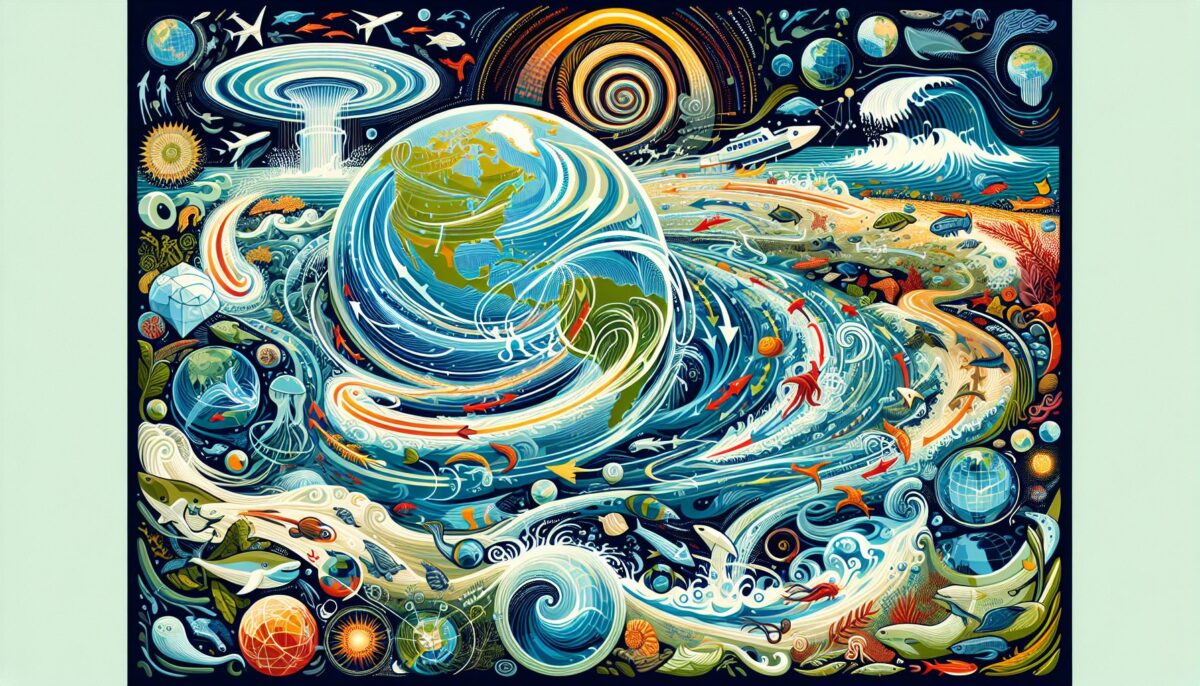
Ocean currents play a vital role in regulating the world’s climate by redistributing heat around the globe. They transport warm water from the equator towards the poles and cold water from the poles toward the tropics. Without these currents, regional temperatures would be more extreme—far hotter at the equator and much colder at the poles.

Marine Ecosystems and Wildlife

In addition to moderating climate, currents also shape marine ecosystems. They affect the availability of nutrients in the water, which in turn influences the distribution of marine life, including plankton, fish, and all the way up to top predators like whales. Currents carry organisms to new areas, facilitate breeding, and support food webs.

Economic and Human Impact

Human societies depend on ocean currents for many aspects of life. Currents affect shipping routes, fisheries, and even recreational activities. Fishing industries, for example, are intricately linked to the strength and movement of ocean currents, as they bring nutrients to surface waters, feeding the small marine organisms that are the foundation of the ocean food chain.

Mapping the Major Currents

The world’s oceans feature several major current systems:

  • The Gulf Stream in the North Atlantic is one of the most well-known currents, renowned for its role in heating the climate of Western Europe.
  • The Kuroshio Current off the coast of Japan is similar to the Gulf Stream in its impact on climate.
  • The Antarctic Circumpolar Current is the largest ocean current, encircling the continent and connecting the Atlantic, Pacific, and Indian Oceans.
  • The Great Ocean Conveyor Belt is a global-scale system of ocean currents that has a major influence on climate.

Threats Presented by Climate Change

As climate change accelerates, its impact on ocean currents becomes more pronounced. Melting polar ice is infusing freshwater into the oceans, potentially disrupting the delicate salt balance that drives deep ocean currents. Changes in wind patterns, due to the warming atmosphere, also have the potential to alter surface currents. This can have profound effects on climate, marine ecosystems, and sea levels.

Rising Temperatures and Currents

A warmer atmosphere heats the ocean surface, leading to increased stratification and potentially hampering the mixing of water layers. This could slow down or even halt some aspects of thermohaline circulation, which would have significant climate impacts. Recent research has suggested that some of these currents may be weakening, although more data is needed to understand the full implications.

The Human Influence

Beyond climate change, human activities are affecting ocean currents as well. The alteration of coastlines, through activities such as dredging and construction, can change local currents and sedimentation patterns. Pollution and the discharge of wastewater also impact currents and the health of marine ecosystems.

Mitigating Human Impact

To mitigate these human impacts, conservation efforts such as marine protected areas (MPAs) are critical. They help to preserve important sections of ocean currents and the biodiversity they support. Sustainable practices in shipping, fishing, and coastal development are also vital to maintaining the health of currents.

The Drive for Understanding

Scientific understanding of ocean currents is crucial for the future of our planet. Oceanographers and climate scientists use satellites, buoys, and underwater drones to track and model ocean currents. Innovations in sensing technology and data analysis are constantly improving our ability to predict and respond to changes in the ocean environment.

Expanding Technologies

As the blue economy grows, industries from shipping to renewable energy are expanding into the ocean. Innovative technologies, such as tidal and wave energy, rely on understanding and harnessing the power of ocean currents. Sustainable development in these areas requires a deep knowledge of how currents function and how they are changing.

Looking Forward: The Future of Our Ocean Currents

As we expand our knowledge and build our technological capability, the future of our relationship with ocean currents holds both promise and peril. The decisions made today will determine the health of our climate system and marine environments for generations to come.

Through research and responsible stewardship, there is hope for maintaining the balance of these vital components of our planet’s life support system. Ocean currents are a testament to the dynamic, interconnected nature of Earth’s environment, flowing from the equator to the poles, touching every corner of the globe, and sustaining life both in the water and on land.

Ocean currents are not just fascinating natural phenomena; they are essential to the health of our planet and the prosperity of humanity. By deepening our understanding and respect for these powerful flows, we can work towards a sustainable future where ocean currents continue to nurture the diversity of life on Earth.

Sources

  1. National Oceanic and Atmospheric Administration (NOAA) – Climate: Ocean Currents
  2. U.S. National Park Service – Ocean Currents and Climate
  3. Intergovernmental Panel on Climate Change (IPCC) – Special Report on the Ocean and Cryosphere in a Changing Climate

By continuing to learn, adapt, and mitigate the human impact on these forces of nature, we stand a better chance of protecting the integrity and diversity of life in our ocean currents and beyond.

Understanding the Beauty and Fragility of Coral Reefs: A Dive into Biodiversity and Conservation

Coral reefs, often referred to as the rainforests of the sea, are one of the most diverse and valuable ecosystems on Earth. They are not just breathtaking underwater landscapes but are also vital to the health of the oceans and the planet. Unfortunately, these vibrant ecosystems are facing unprecedented threats due to human activity and climate change. This article aims to explore the significance of coral reefs, the challenges they face, and the measures taken to conserve these natural treasures for future generations.

The Significance of Coral Reefs

Coral reefs are more than just a pretty sight for divers and snorkelers; they provide essential services to both marine life and human communities. Let’s delve into their ecological, economic, and cultural importance.

Ecological Importance

  • Biodiversity Hotspots: Scientists estimate that while coral reefs cover less than 1% of the Earth’s surface, they support about 25% of all marine species. This biodiversity includes a variety of species, from microscopic plankton to larger fish and mammals.

  • Nurseries for Marine Life: Many fish species that are critical to both coastal ecosystems and human diets begin their lives among the protective structures of coral reefs.

  • Cycling of Nutrients: Reefs play a crucial role in the nutrient cycles of marine ecosystems, recycling nitrogen, carbon, and other essential elements.

Economic Importance

  • Fisheries and Food Security: Coral reefs support commercial and subsistence fisheries. According to the World Wildlife Fund, around 500 million people worldwide depend on reefs for food, income, and protection from storms.

  • Tourism: Reefs contribute to the tourism industry by attracting millions of visitors each year, boosting local economies.

  • Medicinal Resources: Compounds extracted from coral reef organisms are used in medicines to treat diseases like cancer and HIV.

Cultural Importance

  • Heritage and Identity: For many coastal communities, especially in the Pacific and Caribbean, coral reefs are intertwined with cultural identities and practices.

The Challenges Facing Coral Reefs

Despite their importance, coral reefs have been suffering from multiple threats.

Climate Change and Coral Bleaching

  • Rising Temperatures: As global temperatures rise, so do sea surface temperatures, leading to coral bleaching. Corals expel the algae (zooxanthellae) that live in their tissues and provide them with food through photosynthesis, thus, losing their vibrant colors and main source of nourishment.

Ocean Acidification

  • Carbon Emissions: The increase in CO2 emissions has made the oceans more acidic, which affects the ability of corals to generate their calcium carbonate skeletons.

Pollution

  • Agricultural Runoff: Nutrient-rich runoff can lead to algal blooms that suffocate reefs.

  • Marine Debris: Plastic and other waste can physically harm corals and marine life.

Overfishing and Destructive Fishing Practices

  • Ecosystem Balance: Overfishing removes key reef species and alters the ecological balance, damaging reef structures in the process.

Coastal Development and Land-Based Pollution

  • Habitat Destruction: Construction and dredging activities can lead to sedimentation, which smothers coral reefs.

Conservation Efforts

In response to these threats, a variety of conservation initiatives have been undertaken.

Marine Protected Areas (MPAs)

Marine protected areas are designated zones where human activities are managed to protect the marine environment. Zones within MPAs can range from areas with no access to areas with some restrictions to sustain both marine life and local economies. Research has shown that MPAs can lead to an increase in fish sizes and populations, which also benefits areas outside the protected zones.

Sustainable Fishing Practices

Efforts to promote sustainable fishing practices, such as limiting catches and reducing bycatch, help relieve pressure on reef-associated fish populations.

Climate Change Mitigation

Global actions to reduce greenhouse gas emissions are crucial for protecting coral reefs. International agreements such as the Paris Agreement aim to limit global warming, which would reduce the prevalence and intensity of coral bleaching events.

Coral Reef Monitoring and Restoration

Scientists and conservationists are engaging in coral reef monitoring and restoration efforts. Coral farming and transplantation of coral fragments onto damaged reefs are examples of active restoration methods.

Public Education and Awareness

Educating the public about the importance of coral reefs and the impacts of human activity can lead to behaviors that are more conducive to reef conservation.

Conclusion

Coral reefs are essential ecosystems that require immediate and ongoing protection. Through concerted efforts that combine science, policy, and community engagement, we can work towards a future where these diverse habitats continue to thrive.

Sources

  1. World Wildlife Fund (WWF). Coral Reefs: Facts and Figures. https://www.worldwildlife.org/habitats/coral-reefs

  2. National Oceanic and Atmospheric Administration (NOAA). Coral Reef Conservation Program. https://coralreef.noaa.gov/

  3. United Nations Environment Programme (UNEP). The Importance of Coral Reefs. https://www.unep.org/explore-topics/oceans-seas/what-we-do/working-reefs/importance-coral-reefs

Preserving coral reefs is not just the job of scientists and policymakers; it is a responsibility that falls on all of us. As we continue to learn, engage, and act, we can ensure that the vibrant underwater cities continue to pulsate with life—benefitting the marine species that inhabit them, the communities that rely on them, and the future generations that deserve to witness their beauty.

The Vital Role of Estuaries: Nature’s Nurseries and Shields Against Storms

Estuaries, often described as where rivers meet the sea, are dynamic ecosystems providing numerous indispensable ecological services. They are the cradles of marine life, serving as nurseries to a myriad of species, and they stand at the frontline against natural disasters such as storm surges. In this in-depth exploration, we’ll delve into the significance of estuaries, as well as the challenges they face in an era marked by climate change and increasing human activity.

What Are Estuaries?

Estuaries are partially enclosed bodies of water formed where freshwater from rivers or streams blends with saltwater from the ocean. This mix, known as brackish water, creates a unique environment with varying salinity and tidal conditions, giving rise to a diverse range of habitats like mudflats, mangroves, salt marshes, and oyster reefs.

The Ecological Importance of Estuaries

Nursery Grounds for Marine Life

Estuaries are biodiversity hotspots that support an abundance of life. Many species of fish, crabs, and shellfish rely on the sheltered waters of estuaries as breeding grounds and nurseries for their young. The rich biotic community is not just limited to these habitats; it extends to the greater marine ecosystem, as many species migrate in and out of estuaries throughout different stages of their life cycles.

  • High Productivity: The mixture of freshwater and saltwater, along with nutrients from rivers, makes estuaries incredibly productive. The abundance of food sources supports large populations of birds, mammals, fish, and other marine creatures.
  • Refuge for Endangered Species: Essential for the survival of many threatened and endangered species, estuaries provide habitats that are critical for their conservation.

Buffers Against Natural Disasters

Estuaries also serve as natural buffers, protecting inland areas from the wrath of ocean storms and floods. Wetlands and marshes within estuaries absorb storm surge energy, mitigating the impact on coastal communities.

  • Flood Control: The ability to absorb excess water makes estuaries effective at flood control, particularly in times of extreme weather events.
  • Shoreline Stabilization: The roots of plants in estuarine environments help stabilize shorelines and prevent erosion.

The Human Connection

Economic Impact

Estuaries significantly contribute to local economies through both commercial and recreational activities. Fisheries within estuaries are vital, providing a significant portion of the world’s harvest of fish and shellfish. Moreover, these environments support tourism, offer opportunities for education and scientific research, and have cultural and historical significance for many communities.

  • Fisheries and Aquaculture: Estuarine conditions are ideal for the cultivation of shellfish and other valuable seafood species.
  • Recreation: Recreational activities like boating, fishing, and bird watching attract millions of people to estuaries, boosting the local economy.

Ecosystem Services

In terms of ecosystem services, estuaries offer much more than what is immediately evident. They are crucial for water purification, as their complex network of plants, soil, and organisms filter pollutants from the water. They also store carbon, helping to mitigate climate change impacts.

Challenges Faced by Estuaries

Despite their significance, estuaries are among the most threatened ecosystems on Earth. Human activities and climate change present numerous challenges for these vital environments.

Pollution and Eutrophication

Industrial discharge, agricultural runoff, and sewage spill into rivers can lead to excessive nutrient loads in estuaries, causing eutrophication. This process can result in harmful algal blooms, dead zones with low oxygen levels where few organisms can survive, and overall degradation of water quality.

Habitat Loss and Alteration

Development along coastlines often leads to the destruction or alteration of estuarine habitats. Wetlands are drained, and shorelines are hardened, which not only reduces the ecological function of estuaries but also diminishes their ability to protect against flood and erosion.

Climate Change Impacts

Rising sea levels, increasing temperatures, and changing precipitation patterns pose significant threats to estuarine systems.

  • Sea Level Rise: Estuaries are particularly sensitive to sea level rise. The encroachment of saltwater can lead to the loss of freshwater and brackish wetlands.
  • Increased Storm Frequency and Intensity: Climate change may lead to more frequent and intense storms, putting additional pressure on estuarine buffers.

Invasive Species

Non-native plants, animals, and pathogens can outcompete, prey upon, or bring diseases to native species, altering food webs and ecosystem dynamics.

Sustaining Our Estuaries: Conservation and Restoration Efforts

The protection and restoration of estuaries is imperative for their continued provision of environmental, economic, and social benefits. This requires coordinated efforts from governments, communities, and individuals alike.

Conservation Practices

  • Marine Protected Areas: The establishment of marine protected areas (MPAs) can safeguard crucial estuarine habitats and biodiversity.
  • Sustainable Land Use: Better land-use practices in the watershed can minimize the negative impacts on estuaries.

Restoration Initiatives

Restoration initiatives focus on bringing back the natural form and function of estuarine habitats that have been degraded or lost.

  • Wetland Restoration: Efforts like replanting marsh grasses and reconstructing oyster reefs aid in restoring wetland habitats.
  • Riparian Buffer Zones: Planting vegetation along riverbanks helps prevent erosion and filters runoff before it enters estuaries.

Policy and Legislation

Strong policies and legislation are vital for the protection of estuaries. Laws regulating water quality, fisheries management, and coastal development help ensure that estuarine environments are conserved and sustainably used.

Conclusion

Estuaries are undoubtedly one of the planet’s most valuable ecosystems, supporting an array of life forms and providing natural defenses against floods and storms. Their role as nurseries for marine life and providers of crucial ecosystem services cannot be overstated. The challenges estuaries face are numerous and complex, but through awareness, sound management, and restoration efforts, we can ensure their health for future generations.

Sources

  1. “Estuaries: Where the River meets the Sea.” National Oceanic and Atmospheric Administration (NOAA). Available: https://oceanservice.noaa.gov/facts/estuary.html
  2. “Estuaries and Coasts.” Restore America’s Estuaries. Available: https://www.estuaries.org/estuaries-and-coasts
  3. “Why Are Estuaries Important?” United States Environmental Protection Agency (EPA). Available: https://www.epa.gov/nep/why-are-estuaries-important

Estuaries embody the intersection of freshwater and saltwater, serving both as a hub for marine life and a shield for our coastlines. This extraordinary confluence of life and natural protection encompasses challenges and solutions integral to the resilience of our planet’s coastal regions. As stewards of these ecological treasures, our continued efforts in conservation, restoration, and sustainable management are not just beneficial but essential.

The Blue Economy: Sustainable Use of Ocean Resources for Economic Growth

The ocean is a vast and mysterious place that has captivated the human imagination for centuries. It is also an economic powerhouse, providing resources and services that are crucial to many aspects of modern life. Underpinning these benefits is the concept of the blue economy, an emerging framework that encourages better stewardship of our ocean or “blue” resources. In this article, we explore the blue economy, its components, and its significance, while touching upon the challenges and opportunities that lie ahead.

Understanding the Blue Economy

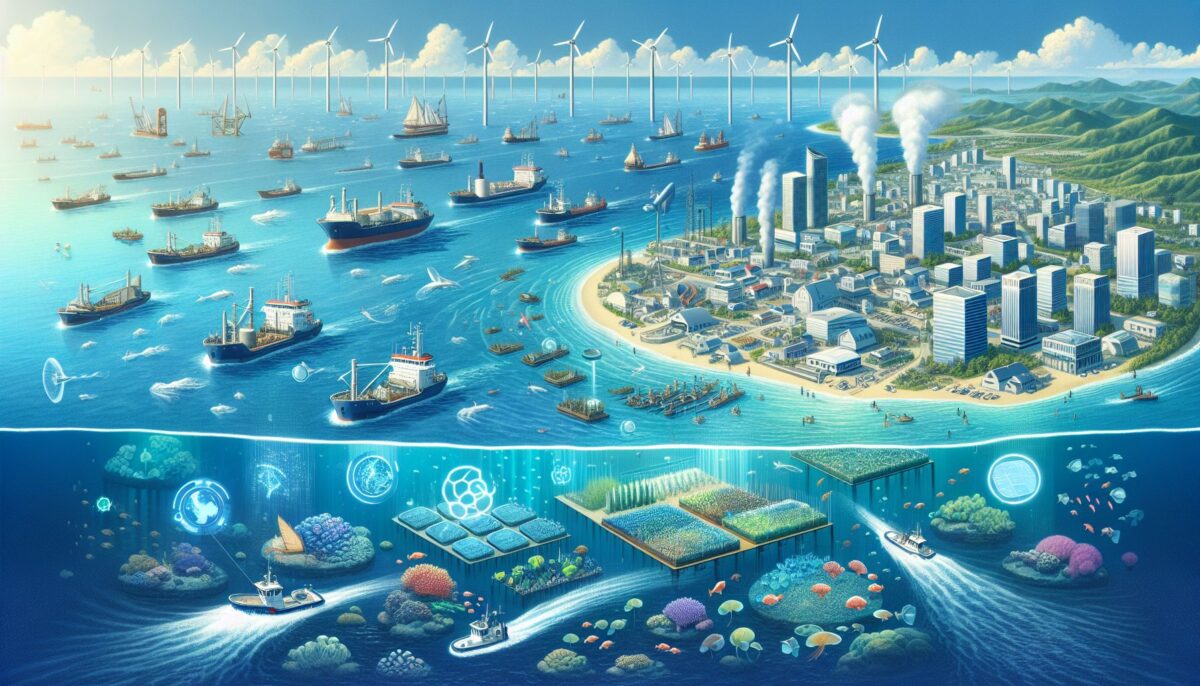
The term “blue economy” refers to the sustainable use of ocean resources for economic growth, improved livelihoods, and jobs while preserving the health of ocean ecosystems. It encompasses a broad range of activities, including fisheries, tourism, maritime transport, renewable energy, and biotechnology.

Fisheries and Aquaculture: They are traditional sources of food and income. Sustainable practices in fishing and aquaculture ensure that the ocean continues to provide these resources without compromising ecosystem health.

Tourism: Coastal and marine tourism, a major component of the blue economy, invites people to enjoy the beauty and recreation offered by the ocean while promoting the conservation of marine environments.

Maritime Transport: Shipping is the backbone of global trade; the blue economy seeks to make it more efficient and less polluting.

Renewable Energy: Oceans hold the potential for renewable energy through wind, tidal, and wave energy, reducing dependence on fossil fuels.

Marine Biotechnology: The blue economy includes the exploration of the sea for pharmaceuticals and other uses, promoting research and development in the utilization of marine biodiversity.

The Significance of the Blue Economy

Economic Growth: The ocean economy is valued at trillions of dollars, making it a crucial component of the global economy. According to the World Bank, the ocean contributes to billions of dollars in goods and services each year and is paramount for many countries’ Gross Domestic Product (GDP).

Employment: It is estimated that the blue economy supports the livelihoods of over three billion people worldwide. It offers a wide array of jobs in different sectors such as fishing, shipping, and tourism.

Food Security: Seafood is a primary source of protein for billions of people. Sustainable ocean fisheries and aquaculture are central to feeding the growing global population.

Environmental Sustainability: The blue economy promotes the conservation and sustainable use of marine resources, which is essential in maintaining biodiversity and mitigating the impacts of climate change.

Challenges Facing the Blue Economy

Overfishing: One of the most significant threats to the blue economy is unsustainable fishing practices, which can lead to depleted fish stocks and negatively impact the marine food chain.

Pollution: Marine pollution from plastics, chemicals, and untreated wastewater harms marine life and ecosystems, undermining the potential of the blue economy.

Climate Change: Rising temperatures, ocean acidification, and sea-level rise due to climate change threaten the health of marine ecosystems and the services they provide.

Illegal Activities: Illegal fishing, piracy, and maritime crime can disrupt the blue economy by causing economic losses and eroding the rule of law.

Opportunities Ahead

Sustainable Practices: There are increasing efforts to promote sustainable practices in fishing, aquaculture, and coastal development, which can enhance the long-term viability of the blue economy.

Innovation: Advances in technology can provide new opportunities to harness ocean resources sustainably. Innovations in marine biotechnology, renewable energy, and environmental monitoring are playing a crucial role.

International Cooperation: The blue economy requires collaborative governance and partnerships at all levels—local, national, and international—to address the shared challenges facing the world’s oceans.

Leveraging the Blue Economy for Sustainable Development

To fully realize the potential of the blue economy, it is essential to integrate it into national economic planning and international policy frameworks. The Sustainable Development Goal (SDG) 14 explicitly recognizes the need to conserve and sustainably use the oceans, seas, and marine resources for sustainable development.

Moreover, investment in marine science and education is necessary to support evidence-based policymaking and innovation in the blue economy. Encouraging public-private partnerships and ensuring equitable access to ocean resources are also vital for fostering inclusive economic growth.

Conclusion

The blue economy presents a bold vision for the future—one where the sustainable use of ocean resources drives economic growth, improves livelihoods, and preserves the health of the marine environment. By embracing the principles of sustainability, innovation, and cooperation, we can safeguard the ocean’s prosperity for generations to come.

Sources

  1. World Bank. (2017). What is the Blue Economy? [Online]. Available from: https://www.worldbank.org/en/news/infographic/2017/06/06/what-is-the-blue-economy
  2. United Nations. (n.d.). Sustainable Development Goals – 14 Life Below Water [Online]. Available from: https://www.un.org/sustainabledevelopment/oceans/
  3. The Economist Intelligence Unit. (2015). The Blue Economy: Growth, opportunity and a sustainable ocean economy [Online]. Available from: https://ocean.eiu.com/assets/external/downloads/the-blue-economy-report.pdf

The Intriguing World of Tides: How Moon, Sun, and Earth Choreograph Oceanic Ballet

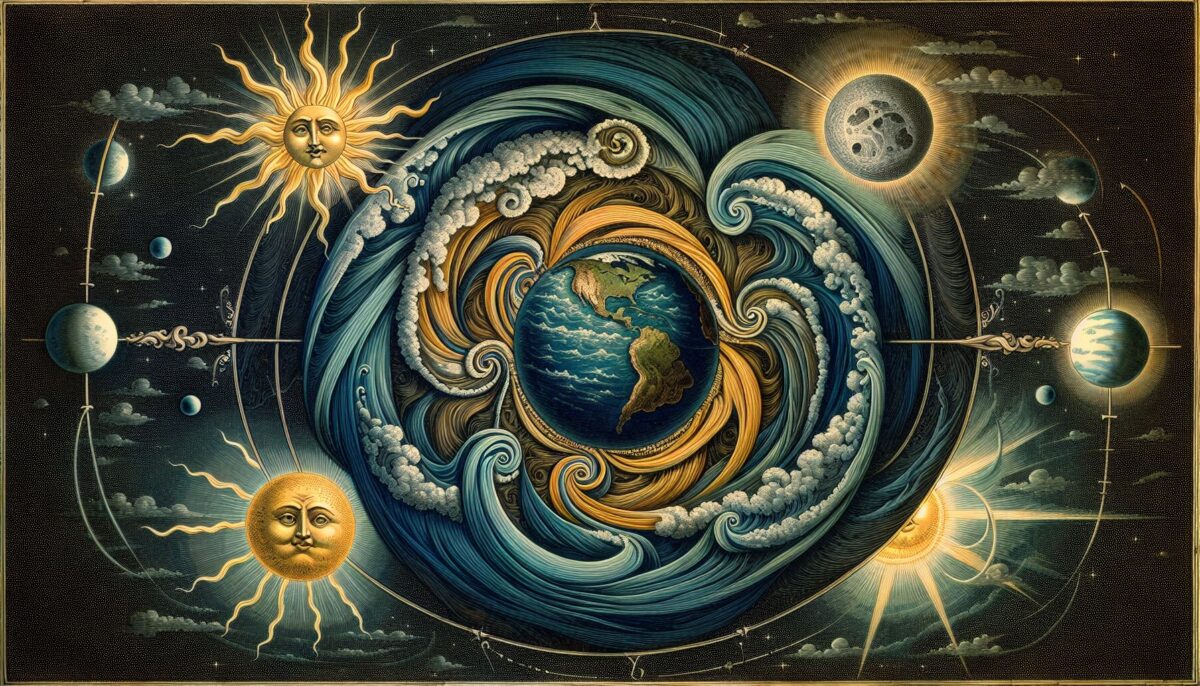
Tides are an extraordinary phenomenon that occur as the very fabric of our oceans dances to the gravitational pull of the moon and sun, in partnership with Earth’s own rotation. From ancient mariners who have charted their courses around these rhythmic movements to modern scientists seeking to understand their broader implications, tides hold an important place in our understanding of the Earth’s natural systems. In this deep dive into the world of tides, we will explore their origins, their impact on marine life and human activity, and the incredible forces at play in creating these daily movements of the sea.

The Mechanics of Tides: A Celestial Symphony

At the heart of tides lies the gravitational interaction between Earth, the moon, and the sun. While the moon is much smaller than the sun, its proximity to Earth means that its gravitational effects are more pronounced, making it the primary player in the tidal dance.

Gravitational Pull and Tidal Forces

Earth’s waters respond to the gravitational pull from the moon, creating a bulge of water on the side closest to the moon. This is what we know as the high tide. There is also a corresponding high tide on the opposite side of the Earth, created by the inertial force of Earth’s rotation, which essentially flings the water outward.

The sun also plays a role but to a lesser extent. When the sun, moon, and Earth align during full and new moons, we experience spring tides — not a reference to the season, but the “springing forth” of the water. Conversely, when the sun and moon are at right angles relative to Earth, their gravitational forces partially cancel each other out, resulting in weaker neap tides.

The Changing Seasons and Tides

Tidal ranges can also be influenced by Earth’s axial tilt and orbit around the sun. During different seasons, the sun’s position changes, altering its gravitational impact on Earth’s waters. During equinoxes, for instance, the sun is directly over the equator, leading to enhanced tidal effects worldwide.

The Ebb and Flow: Types of Tides and Their Frequencies

The Earth experiences two main types of tides: semidiurnal, with two high and two low tides each day, and diurnal, with one high and one low tide per day. The type and occurrence of tides depend greatly on one’s geographical location and the configuration of the local coastline and seafloor.

Semidiurnal Tides

Most coastal areas around the world experience semidiurnal tides, including the Atlantic coast of Europe and North America. In these regions, the two high and two low tides are approximately of the same height.

Diurnal Tides

Diurnal tides are less common and can be found in places like the Gulf of Mexico and the South China Sea. These regions often have a more pronounced high or low tide once each day.

Mixed Tides

In addition to the main types, there are also mixed tides, which exhibit characteristics of both diurnal and semidiurnal tides. These can be observed on the Pacific coast of North America, where the difference in height between successive high and low tides—known as the “diurnal inequality”—is often marked.

Impact on Marine Life

Tides orchestrate the rhythm of life in marine environments. Intertidal zones—the areas between high and low tide marks—are bustling ecosystems that depend on the cyclical nature of tides.

Tidal Pools and Ecosystems

Tidal pools are microcosms of marine biodiversity, where organisms have adapted to the changing conditions. These pools offer a stable environment during low tide for species including starfish, sea urchins, and various mollusks.

Breeding and Feeding Cycles

Many marine species have synchronized their breeding cycles with the tides. For example, the reproductive activities of grunion, a small silver fish found off the coast of California, are timed precisely with the high tides of spring and summer to protect their eggs buried in the sand.

Tides and Human Activity: From Ancient Navigation to Modern Challenges

Navigators of the past relied heavily on tidal patterns to ensure safe passages for their vessels. Understanding the timing and magnitude of tides was, and still remains, essential for everything from small-scale fishing operations to international shipping.

Ports and Shipping

Ports around the world are designed with tidal considerations in mind. Harbor entrances need to accommodate the tidal fluctuations that can significantly alter water depths. Furthermore, shipping schedules often hinge on the prediction of tides to avoid the risk of running aground.

Renewable Energy and Tides

The potential for tidal energy is immense. Tidal turbines, much like underwater windmills, can harness the kinetic energy of tides to produce electricity. Projects such as the Sihwa Lake Tidal Power Station in South Korea and the Rance Tidal Power Station in France have shown the world the renewable potential locked in tidal movements.

Coastal Management and Tidal Predictions

As climate change and sea level rise become more pressing, accurate tidal predictions are essential for coastal management and engineering. From building sea defenses to planning for storm surges, understanding tides is critical for protecting coastal communities.

Unveiling the Mysteries of Tides

The study of tides falls within the scope of oceanography and specifically tidal hydrodynamics. Advanced computational models are used to predict tides, taking into account factors such as the positions of celestial bodies, the shape of coastlines, and the depth of the ocean floor.

Progressive Waves and Standing Waves

Tides can manifest as progressive waves, which travel around ocean basins, or as standing waves, which are the result of water moving between constraining boundaries such as those in bays or estuaries.

Tidal Harmonic Analysis

Harmonic analysis is a mathematical method used to predict tides by analyzing the periodic motion of tidal constituents—the individual sine waves that combine to form the tidal signal.

The Future of Tidal Research

As technology and data collection methods improve, our understanding of tides continues to evolve. Satellites like the European Space Agency’s Sentinel-3 are proving invaluable in monitoring the oceans and providing data for tidal models. Ongoing research is also focused on exploring the deeper impacts of tides on global climate dynamics and the Earth’s rotation.

Conclusion

Tides are more than just the gentle rise and fall of the sea. They are an essential part of Earth’s natural systems, influencing marine ecosystems, human activities, and the planet’s climate. By studying tides, we can gain insights into the Earth’s history, present challenges, and future possibilities in harnessing clean energy. As we continue to depend on the oceans for sustenance, transport, and recreation, the timeless rhythm of the tides remains a reminder of the dynamic and interconnected world in which we live.

Sources

  1. “Tides and Water Levels” – NOAA’s National Ocean Service (oceanservice.noaa.gov)
  2. “Tidal Energy” – Office of Energy Efficiency & Renewable Energy (energy.gov)

The Importance of Marine Protected Areas for Ocean Conservation

The ocean, that vast and mysterious expanse of saltwater that covers more than 70% of the Earth’s surface, is a powerhouse of life and a wellspring of biodiversity. This immense body of water teems with an amazing variety of organisms and plays a critical role in regulating the planet’s climate. However, due to human activities, the ocean faces unprecedented threats such as overfishing, pollution, and climate change. One effective tool in the battle to preserve the health and balance of our oceans is the establishment of Marine Protected Areas (MPAs). This article delves into the concept of MPAs, their importance, how they function, their benefits, and the challenges they face.

What are Marine Protected Areas (MPAs)?

Marine Protected Areas are defined regions of seas, oceans, estuaries, or large lakes that are set aside for the conservation of the environment, biodiversity, and cultural resources. These protected regions can vary dramatically in purpose, legal restrictions, and protection levels, ranging from full-fledged no-take zones, where all forms of exploitation are prohibited, to those permitting sustainable use of marine resources.

Goals of MPAs

  1. Conservation of Biodiversity: MPAs aim to preserve the diversity of marine life by offering habitats a respite from human activities such as fishing and mineral extraction.
  2. Habitat Protection: They safeguard essential habitats such as coral reefs, mangroves, seagrass beds, and kelp forests.
  3. Sustainable Use: MPAs can promote sustainable fishing practices by creating zones where aquatic life can reproduce and grow without pressure from fishing.
  4. Scientific Research: Protected areas provide living laboratories for scientists to study marine ecosystems and the effects of protection.
  5. Cultural Preservation: Many MPAs help preserve areas of cultural and historical significance, such as shipwrecks and sacred indigenous sites.

Importance of MPAs

Enhancing Marine Biodiversity

MPAs are crucial havens for endangered species and offer a buffer against the loss of marine biodiversity. By protecting areas with high biodiversity, MPAs contribute to the resilience of marine ecosystems, allowing them to better withstand stresses such as climate change and overfishing.

Supporting Fisheries

Fish populations around the world have been declining due to overfishing. MPAs can act as fishery replenishment zones, where fish populations are allowed to recover and grow. As fish mature within these protected boundaries, they often migrate to surrounding areas, thus supporting local fisheries. This spillover effect can enhance fish stocks outside the boundaries of the MPA.

Economic Benefits

Marine Protected Areas can also provide economic benefits, particularly by bolstering coastal economies through tourism and recreation. Diving, snorkeling, and eco-tourism can thrive around well-managed and healthy MPAs, providing sustainable sources of income for local communities.

The Functioning of MPAs

To be effective, MPAs require proper planning, which involves scientific research, stakeholder engagement, and sound management. Each MPA has a unique set of management practices that may include:

  • Surveillance and enforcement to ensure compliance with regulations.
  • Science-based decision-making to manage the area effectively.
  • Adaptive management to adjust strategies based on monitoring and research outcomes.
  • Community involvement to ensure that local and indigenous people who rely on marine resources for their livelihoods are considered.

The Benefits of MPAs

Research has shown that well-managed MPAs can yield numerous benefits:

Biodiversity Conservation

MPAs, particularly no-take areas, provide essential refuges for marine species, offering them an environment in which they can feed, breed, and grow without the pressures of exploitation.

Fisheries Enhancement

The protection of spawning grounds within MPAs can lead to increased biomass and size of marine organisms, not only benefiting the ecosystems within the MPA but also supporting surrounding fisheries through the dispersal of larvae and adult fish migration.

Resilience to Climate Change

MPAs help protect the marine environment against the devastating effects of climate change, such as ocean acidification and coral bleaching, by reducing the burden of additional human-induced stressors.

Economic Advantages

In addition to the ecological benefits, MPAs provide economic gains from increased fisheries production and tourism. Healthy, vibrant ecosystems can attract tourists, thus supporting local economies and promoting job creation in tourism services.

Educational and Cultural Value

MPAs are valuable sites for education, research, and cultural heritage, providing unique opportunities for learning and preserving historic and culturally significant marine sites.

Challenges Facing MPAs

Even with their many benefits, MPAs face a range of challenges:

Funding and Resources

Adequate funding and resources are required for managing MPAs, including enforcement and scientific monitoring. Without proper funding, the effectiveness of MPAs can be severely compromised.

Compliance and Enforcement

Ensuring compliance with MPA regulations presents a significant challenge. Illegal activities like poaching can undermine conservation efforts and require robust law enforcement and surveillance to combat.

Climate Change

Global climate-related issues, such as ocean acidification and warming waters, know no boundaries and can affect the ecosystems within MPAs, jeopardizing their effectiveness.

Socio-economic Conflicts

Balancing the needs of conservation with those of local communities who depend on marine resources for their livelihoods is often challenging. Engaging with stakeholders to find equitable solutions is crucial for the long-term success of MPAs.

Conclusion

Marine Protected Areas are essential tools in our fight to safeguard the ocean’s health and resources. They offer a sanctuary for marine life, promote biodiversity, support fisheries, and provide opportunities for sustainable economic activities. However, for MPAs to be truly effective, they require thoughtful planning, adequate funding, strong enforcement, and global collaboration.

By understanding and advocating for these vital conservation areas, we can work towards a future where the ocean’s bounty is protected for generations to come, and where humans live in harmony with the rich marine ecosystems that sustain us.

Sources

  1. “Marine Protected Areas: An Overview.” World Wildlife Fund (WWF). https://www.worldwildlife.org
  2. “Benefits of Marine Protected Areas.” National Ocean Service, NOAA. https://oceanservice.noaa.gov
  3. “Marine Protected Areas fact sheet.” United Nations Environment Programme (UNEP). https://www.unep.org