Category: Main (page 17 of 31)

title: The Vital Role of Coral Reefs in Marine Biodiversity and the Blue Economy

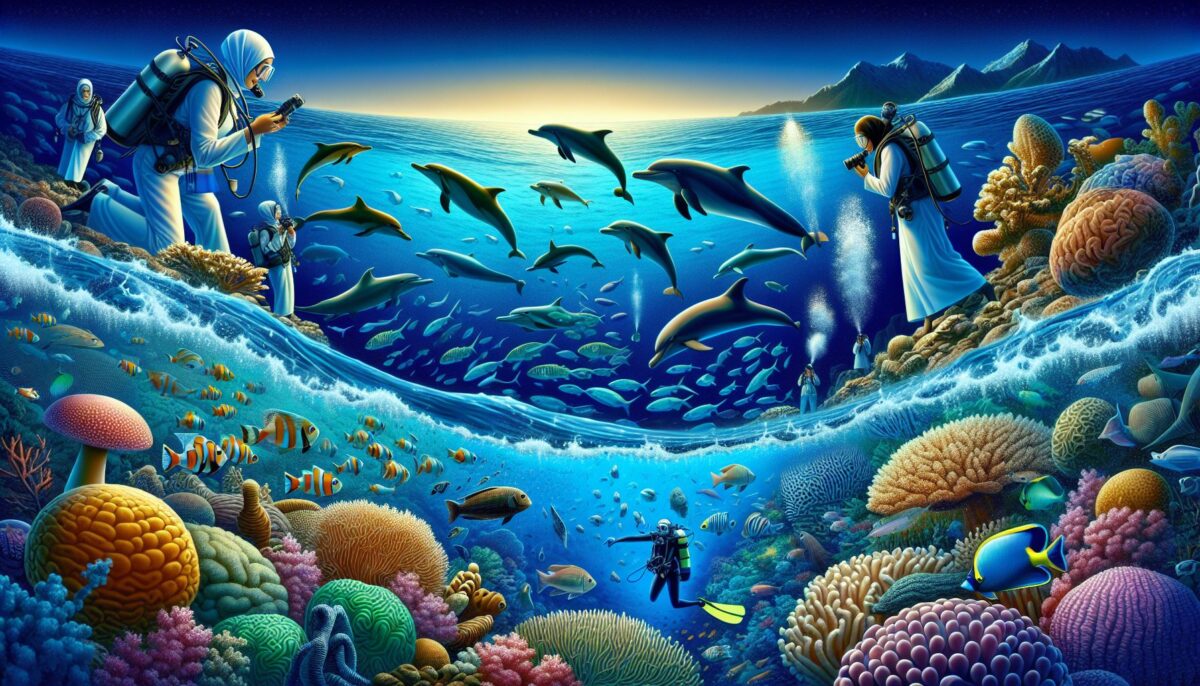
Coral reefs, often referred to as the “rainforests of the sea,” are some of the most biologically diverse and economically valuable ecosystems on Earth. They provide vital services to marine life, support human livelihoods, protect coastlines, and contribute to the global economy. Despite their importance, coral reefs face significant threats from human activities and climate change. In this article, we delve deep into the world of coral reefs, exploring their ecological importance, the challenges they face, and the strategies we can employ to ensure their survival and sustainability as part of the blue economy.

Introduction to Coral Reefs

Coral reefs are underwater structures made from calcium carbonate secreted by corals, tiny marine invertebrates living in symbiosis with algae called zooxanthellae. These dynamic organisms provide food and shelter to a vast array of marine species.

An Ecological Hotspot

The biodiversity found in coral reef systems is unmatched. They house over a quarter of all marine fish species, serving as nurseries for young fish and providing food for a multitude of organisms. Reef structures also form complex habitats that provide spaces for predation, reproduction, and shelter.

Coral Reefs and Human Society

Coastal communities depend heavily on coral reefs for food from fisheries, income from tourism, and protection from storm surges. According to the World Wildlife Fund, the net economic value of the world’s coral reefs is estimated to be nearly $30 billion per year. Fisheries and aquaculture, tourism, and genetic resources are just some economic benefits derived from coral reefs.

The Blue Economy Concept

The “blue economy” is an emerging concept that encourages better stewardship of our ocean or “blue” resources. It emphasizes sustainability, ecosystem health, and equitable benefit sharing from marine resources. Healthy coral reefs are integral to a thriving blue economy, given their role in supporting fisheries, tourism, and coastal protection.

The Threats to Coral Reefs

Despite their resilience, coral reefs are endangered by numerous threats that can lead to coral bleaching, disease, and ultimately, the death of coral ecosystems.

Climate Change

As global temperatures rise, ocean waters warm, causing stress to corals. This thermal stress can lead to mass coral bleaching events where corals expel their zooxanthellae, losing their vibrant colors and vital source of nutrients.

Ocean Acidification

Increased CO2 levels result in more acidic oceans, which reduce the availability of the carbonate ions corals need to maintain their skeletons. This phenomenon weakens the structural integrity of coral reefs, making them more susceptible to damage.

Overfishing and Destructive Fishing Practices

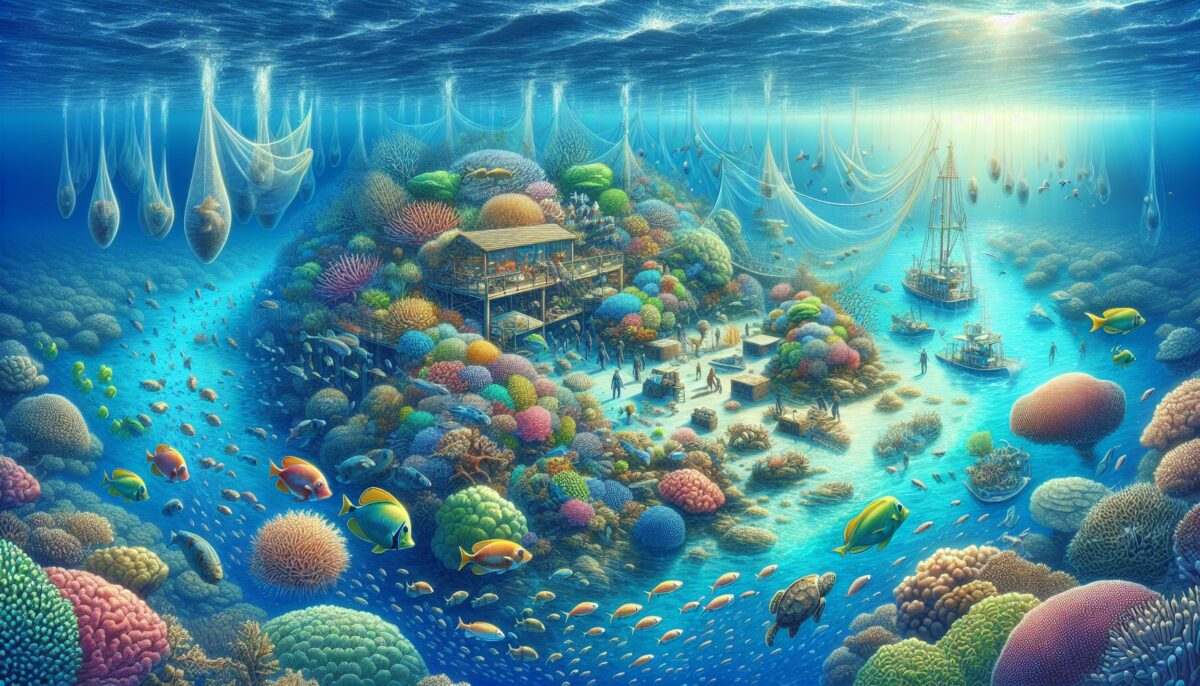
Excessive fishing, especially when involving harmful practices like cyanide fishing or dynamite fishing, removes key species that contribute to the ecological balance of coral reef systems.

Pollution

Coral reefs are suffering from land-based sources of pollution, including runoff containing pesticides, sediments, and nutrients that can cause algal blooms, reducing oxygen levels and smothering corals.

Unsustainable Coastal Development

Coastal development can lead to habitat destruction and increased sedimentation that clouds the water, blocking sunlight from reaching corals and impeding their growth.

Conserving and Restoring Coral Reefs

The degradation of coral reefs has dire consequences for marine biodiversity and human communities. However, conservation and restoration efforts are underway to help mitigate these impacts.

Marine Protected Areas (MPAs)

Establishing MPAs can significantly reduce local threats to reefs by regulating activities such as fishing, diving, and coastal development. These protected areas often lead to healthier and more resilient coral ecosystems.

Coral Restoration

Coral restoration projects involve growing corals in nurseries and transplanting them back into the wild. This method can help to jumpstart reef recovery, although it’s not a standalone solution.

Sustainable Fishing and Aquaculture

Practicing sustainable fishing and developing responsible aquaculture reduces pressure on wild fish populations and coral reefs. These practices can help ensure long-term food security and reef health.

Pollution Control

Effective waste management and runoff controls are critical for protecting coral reefs from land-based pollution. Policies and education focused on reducing plastic use and improving agricultural practices can go a long way.

Climate Action

Reducing greenhouse gas emissions is perhaps the most crucial step towards protecting coral reefs from the devastating effects of climate change. Global efforts like the Paris Agreement aim to limit temperature increases and mitigate potential damage.

The Future of Coral Reefs in the Blue Economy

To sustainably harness the benefits of coral reefs, integrating reef conservation into the blue economy is essential. This integration involves balancing economic growth with the need to preserve marine ecosystems for future generations.

Ecotourism

Coral reefs attract millions of divers and snorkelers each year. By promoting responsible ecotourism, communities can generate income while raising awareness about the importance of reef conservation.

Blue Carbon

Coral reefs, along with mangroves and seagrasses, play a role in sequestering carbon. Recognizing their value as “blue carbon” sinks can help motivate increased protection efforts.

Innovative Financing

Financing conservation can be a challenge, but innovative approaches like blue bonds, debt-for-nature swaps, and crowdfunding can provide the necessary funds for protecting and restoring reefs.

Science and Research

Ongoing research on coral adaptability and resilience informs better conservation strategies. Understanding how corals respond to environmental changes is crucial for their preservation.

Community Engagement

Involving local communities in reef management ensures that conservation measures are culturally relevant and economically beneficial. Empowering communities to take ownership of their natural resources leads to more effective and sustainable conservation outcomes.

Conclusion

The survival of coral reefs is vital not only for marine biodiversity but for human societies as well. With continued efforts in conservation, responsible management, and international collaboration, we can secure the future of these colorful + ecosystems and their contributions to the blue economy.

Protecting coral reefs is not just an environmental issue – it’s an economic imperative and a crucial challenge for humanity. As ocean stewards, it is our collective responsibility to ensure that coral reefs continue to thrive for generations to come.
References

The Intricate Web of Ocean Currents: Powering Our Planet’s Climate and Marine Ecosystems

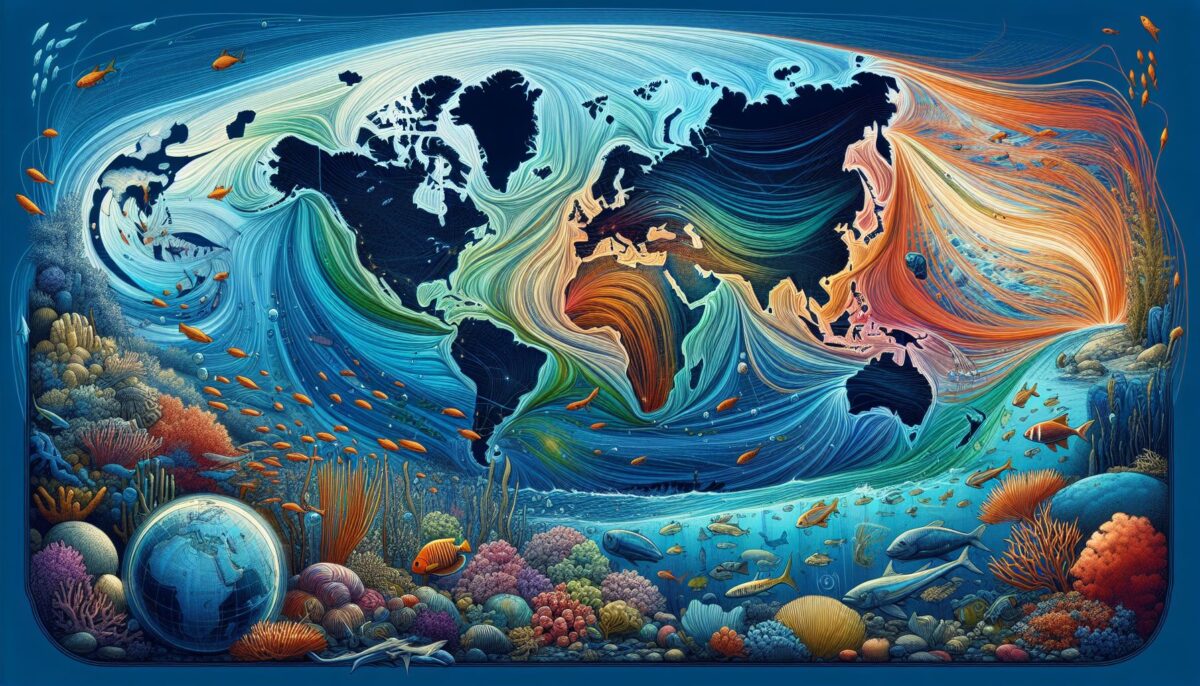
The ocean covers more than 70% of the Earth’s surface, a vast body of water that is essential for life as we know it. Among the many features of this incredible ecosystem, ocean currents stand out as one of the most powerful and influential systems. These currents are responsible for the movement of water around the globe, distributing heat, nutrients, and organisms, and have a significant impact on weather patterns, marine life, and human activities. In this comprehensive look at ocean currents, we will unravel the layers of complexity behind these dynamic forces of nature, their significance, roles, and challenges.

Understanding Ocean Currents

Ocean currents are horizontal and vertical movements of seawater that are propelled by various forces, including wind, the Earth’s rotation, temperature and salinity differences, and tides. These currents can be categorized into two main types:

Surface Currents

Surface currents make up about 10% of all the water in the ocean and are primarily driven by global wind patterns. The Earth’s rotation also influences them, resulting in a phenomenon known as the Coriolis effect, which deflects the path of the currents. An example of a major surface current is the Gulf Stream in the North Atlantic, which transports warm water from the Gulf of Mexico towards Europe, contributing to milder climates in those regions.

Deepwater Currents

Below the surface, deepwater currents are driven by differences in water density, which is affected by temperature (thermohaline) and salinity. These currents form a global conveyor belt, moving cold, salty water from the polar regions to the equator and vice versa, playing a critical role in regulating the Earth’s climate.

The Forces Behind the Flow

Several factors work in tandem to create and shape ocean currents:

Wind

Wind currents are caused by the heating and cooling of the Earth’s atmosphere, coupled with the planet’s rotation. Winds such as the trade winds and westerlies are responsible for the movement of surface currents across the vast ocean basins.

Coriolis Effect

The Coriolis effect, a result of the Earth’s rotation, causes moving objects, including wind and water, to turn to the right in the Northern Hemisphere and to the left in the Southern Hemisphere, creating swirling patterns in the currents.

Salinity and Temperature

The ocean’s salinity and temperature affect water density, with colder, saltier water being denser than warmer, less salty water. These differences in density drive the thermohaline circulation, a deep ocean process.

Tides

Tidal forces, primarily due to the gravitational pull of the moon and, to a lesser extent, the sun, cause the ocean to bulge out in different locations, generating tidal currents as the Earth rotates.

The Role of Ocean Currents

The influence of ocean currents extends across numerous areas:

Climate Regulation

Ocean currents distribute heat around the globe, playing a vital role in establishing climates and weather patterns. For example, the North Atlantic Drift, an extension of the Gulf Stream, warms the air above it, giving Western Europe a temperate climate compared to other regions at similar latitudes.

Marine Ecosystems

Currents are responsible for upwelling, a process that brings nutrient-rich waters from the depths to the surface, supporting diverse marine ecosystems. This supply of nutrients is crucial for the growth of phytoplankton, which forms the foundation of the marine food web.

Human Activities

Ocean currents impact maritime trade by providing natural conduits that can significantly speed up or slow down shipping. Historical trade routes like the Agulhas Current off the coast of Africa and the Kuroshio Current near Japan have been used by sailors for centuries to navigate the seas more efficiently.

Current Challenges

While ocean currents are a natural part of Earth’s functioning, they face challenges due to human activity:

Climate Change

As greenhouse gas emissions increase, changes in ocean temperature and salinity could disrupt current patterns. This can lead to alterations in weather systems, affect marine biodiversity, and impact global climate regulation.

Pollution

Marine debris, oil spills, and chemicals can be transported by currents over long distances, spreading the impact of localized pollution events across vast areas of the ocean.

Ocean Acidification

The absorption of excess atmospheric CO2 by the oceans leads to ocean acidification, which can weaken thermohaline circulation and affect the health of marine ecosystems.

Future Directions

Understanding and protecting ocean currents is critical for the future of our planet. Technologies like autonomous underwater vehicles (AUVs) and satellite monitoring are improving our knowledge of this complex system. Efforts to mitigate climate change and reduce marine pollution are becoming increasingly important.

Sources

To learn more about the intricacies of ocean currents and their global impact, consider checking out the following resources:

  1. National Oceanic and Atmospheric Administration (NOAA) – Ocean Currents [https://oceanservice.noaa.gov/education/currents.html]
  2. Ocean Motion – Wind Driven Surface Currents: Gyres [http://oceanmotion.org/html/background/gyres.htm]
  3. Woods Hole Oceanographic Institution – Ocean & Climate Change [https://www.whoi.edu/science/po/climate-change/ocean/]

Ocean currents represent only a fraction of the complex processes at work in our oceans. However, their pivotal role in shaping life on Earth cannot be overstated. They are more than just streams of water; they are conveyors of life, climate moderators, and silent navigators significantly influencing our world. Protecting these currents and the ecosystems they support is an indispensable part of preserving the health of our planet for future generations.

Navigating the Deep Blue: The Importance of Hydrography in Modern Maritime Activities

Maritime activities encompass a broad range of human endeavors, from shipping and trade to scientific exploration and environmental conservation. At the heart of these activities lies an ancient but ever-evolving science: hydrography. Hydrography, the study of physical features of bodies of water and the land areas adjacent to them, is a crucial discipline that supports safe navigation, aids in managing marine resources, and plays a pivotal role in understanding global climate systems. In this article, we will delve into the world of hydrography, examining its significance, the technologies involved, and the challenges it faces in the modern era.

What is Hydrography?

Hydrography is the science that measures and describes the physical features of bodies of water and their littoral land areas. It involves the acquisition of data pertaining to the depths, tides, currents, and physical aspects of the seafloor and coastlines. The main purposes of hydrography are to ensure safe navigation, to support maritime trade, to contribute to the sustainable development of marine and coastal environments, and to provide data for defense and scientific research.

The History and Oldest Profession

Hydrography is often referred to as one of the world’s oldest professions. Early seafaring civilizations understood the importance of charting the seas for safe passage. The ancient Phoenicians, Greeks, and Polynesians laid the groundwork for modern hydrographic science by creating primitive charts and understanding the basics of tides and currents.[^1]

Why is Hydrography Important?

Maritime Safety

One of the hydrographer’s primary roles is to ensure that mariners can navigate safely. Accurate hydrographic data is crucial to maritime safety, preventing groundings and collisions by providing detailed information about water depths, hazards, and other navigational features.

Maritime and Trade Efficiency

Hydrography also maximizes the efficiency of maritime trade by allowing vessels to carry optimal cargo loads without risking groundings. Ships rely on the latest depth information to navigate through straits, canals, and ports with the confidence that they can do so safely.

Environmental Protection and Resource Management

Marine resource management, including fisheries and aquaculture, depends heavily on hydrographic data. Understanding the topography of the seafloor helps in accurately assessing fish stocks and habitats. Moreover, hydrographic surveys provide essential baseline data to monitor environmental changes such as sea level rise and coastal erosion.

Modern Hydrographic Technologies

Multibeam Echosounders

One of the primary tools in modern hydrography is the multibeam echosounder, which employs multiple sound beams to map the seafloor with high precision. These sophisticated instruments allow for comprehensive seabed coverage and are instrumental in producing detailed bathymetric charts.

Satellite Altimetry

Satellite altimetry uses satellite measurements to determine sea surface heights, which can then be translated into depth data when combined with gravitational models. This technology has expanded the scope of hydrography, allowing coverage of vast, open-ocean areas relatively quickly.

Autonomous and Remotely Operated Vehicles (AUVs and ROVs)

AUVs and ROVs are unmanned vehicles equipped with sensors and cameras. They can be deployed to map and explore areas that might be too deep or dangerous for manned vessels.

LIDAR (Light Detection and Ranging)

LIDAR uses light in the form of pulsed lasers to measure ranges (variable distances) to the Earth. LIDAR technology is particularly useful for mapping the coastline and shallow waters where traditional shipborne sensors might not be effective.

Challenges Facing Hydrography

Despite its importance, hydrography faces various challenges including funding constraints, technological limitations, and environmental concerns.

Funding and Resources

Comprehensive hydrographic surveys can be costly and time-consuming. Many nations struggle to allocate sufficient funds and resources to maintain updated charts and data sets.

Technological Limitations

While technology has advanced, there remain limitations. Deep-sea and polar regions pose significant challenges to hydrographers due to extreme depths, ice cover, and harsh environmental conditions.

Climate Change and Environmental Impact

Climate change is altering sea levels, temperatures, and weather patterns, making the hydrographer’s task more complex. Additionally, hydrographic activities must be conducted in environmentally sensitive ways to minimize impact on marine life and ecosystems.

Moving Forward

International Cooperation

International organizations, such as the International Hydrographic Organization (IHO), promote global cooperation in hydrography to ensure consistent standards and the sharing of data.

Sustainable Development

Hydrography is integral to the United Nations’ Sustainable Development Goal 14, which aims to conserve and sustainably use the oceans, seas, and marine resources.[^2]

Public Education

Educating the public about the importance of hydrography can secure more consistent funding and interest in maintaining our oceans and streams for future generations.

Conclusion

Hydrography lies at the intersection of science, technology, and maritime activities. As maritime trade continues to grow and the need for accurate marine data becomes more pressing in light of environmental challenges, the role of hydrography is more important than ever. Ensuring safe navigation, promoting efficient maritime trade, and safeguarding marine environments are just a few of the critical tasks that rest upon the shoulders of hydrographers worldwide.

[^1]: “The History of Hydrography”. The Hydrographic Society of America. https://www.thsoa.org/HISTORY-OF-HYDROGRAPHY
[^2]: “Goal 14: Conserve and sustainably use the oceans, seas and marine resources.” United Nations Sustainable Development. https://www.un.org/sustainabledevelopment/oceans/

In today’s rapidly changing world, the importance of hydrography cannot be overstated. Our oceans are not just conduits for trade and commerce but are also delicate ecosystems that need to be understood and protected. By embracing innovation and fostering international collaboration, we can ensure that hydrography remains a beacon of safety, knowledge, and environmental stewardship amidst the vast and ever-changing seas.

Unraveling the Mysteries of Ocean Currents: The Lifelines of Our Seas

The vast and rolling expanse of Earth’s oceans is a spectacle of nature that has inspired humanity for millennia. Yet, beneath the surface of these endless waters, there lies a dynamic force that shapes our climate, landscapes, and marine ecosystems: ocean currents. These unseen powerhouses of the marine world are more than just the great conveyors of water; they are integral to life as we know it, influencing everything from weather patterns to food chains. In this comprehensive exploration, we dive into the currents that cradle our blue planet, their impact on marine life and coastal communities, and the science that seeks to understand their mysterious flow.

The Nature of Ocean Currents

Ocean currents are large-scale movements of seawater, driven by a complex interplay of wind, the rotation of the earth, variations in water density, and geography. They can flow for thousands of kilometers and to depths of several meters to a couple of thousand meters, creating highways in the sea that transport heat, nutrients, and even organisms across vast distances.

Confined by the continents that border them, ocean currents are generally classified as either surface currents or deep-water currents.

  • Surface Currents: Constituting about 10% of the ocean’s water, surface currents are primarily driven by the wind and follow global wind patterns. One of the most familiar systems is the gyre—colossal, circular current systems found in each of the major ocean basins. Perhaps the most widely recognized gyre is the North Atlantic’s Gulf Stream, renowned for its role in tempering the climate of Western Europe.

  • Deep-Water Currents: Making up the other 90% of the ocean, these currents are often driven by differences in water density, which can be caused by variations in temperature and salinity. This density-driven movement of water is a part of what’s known as the thermohaline circulation, or more poetically, the Great Ocean Conveyor Belt.

The Significance of Currents

Climate Regulation: Ocean currents regulate the world’s climate by redistributing heat. They carry warm water and air from the equator towards the poles and colder water back toward the equator. This vast circulation acts like a global conveyor belt, playing a decisive role in the temperature profiles of many regions across the globe.

Marine Life Support: Currents carry oxygen, nutrients, and organisms. Upwelling currents, for instance, bring nutrient-rich waters from the deep to the surface, feeding marine ecosystems and supporting some of the planet’s most productive fisheries.

Human Activities: Currents influence human activities by affecting maritime navigation, fishing industries, and even the viability of certain types of marine renewable energy.

The Science Behind Measuring Currents

Oceanographers employ a variety of methods to study currents, ranging from direct measurement to remote sensing.

  • Floating Devices and Drifters: These are released into the currents and tracked over time to gauge the current’s speed and direction.

  • Doppler Current Profilers: This technology uses the Doppler effect to measure the velocity of the water column.

  • Satellites: Remote sensing technologies enable the measurement of surface currents on a global scale, providing valuable insights into their influence on weather and climate systems.

The Role of Technology in Understanding Currents

Modern advancements have vastly improved our understanding of ocean currents. Autonomous underwater vehicles (AUVs), such as gliders, can now dive to great depths and travel vast distances, relaying back to scientists a treasure trove of data. In combination with satellite technology, these tools help build a more comprehensive picture of how currents operate and interact with the broader oceanic system.

Global Climate Change and Its Effects on Ocean Currents

As vital as they are to our world, ocean currents face the challenge of climate change. The alteration in the earth’s climate can lead to changes in wind patterns and ocean temperatures, which in turn can disrupt the delicate balance that drives these currents. For example, melting polar ice can inject fresh water into the ocean, potentially altering the thermohaline circulation. The full implications of such changes are a significant area of ongoing research, with experts concerned about the potential for dramatic impacts on global climate and marine ecosystems.

The Future of Ocean Current Research

The cutting edge of oceanographic research aims to unravel the complexity of currents. Advanced computer models, coupled with in situ observations, are providing new insights into how the oceans move and respond to a changing climate. However, this understanding is not solely for academic pursuit—it is vital for the sustainability of humanity and the marine life that calls the ocean home.

Preserving the Flow of Life

In an interconnected world, the importance of ocean currents cannot be overstated. From their role in moderating climates to their function in sustaining marine ecosystems, currents are the cardiovascular system of our seas. To preserve and protect them is to ensure the health of the planet for future generations.

Sources

  1. National Oceanic and Atmospheric Administration (NOAA) – https://www.noaa.gov/
  2. Intergovernmental Panel on Climate Change (IPCC) – https://www.ipcc.ch/
  3. The Ocean Cleanup – https://theoceancleanup.com/

Note: Sources provided are examples of the bodies focused on the area of study and not specific article citations.


With awareness growing of their importance, conservation, and management efforts are now more critical than ever. As steward

Exploring the Depths of Marine Biodiversity: A Journey Into the World’s Ocean Ecosystems

The vastness of the ocean is paralleled only by the extensive variety of life it supports. Covering over 70% of the Earth’s surface, the ocean is home to countless species, many of which are yet to be discovered. From the surface to the deep sea floor, each layer teems with life, making marine biodiversity a subject of perpetual fascination and vital importance. In this article, we delve deep into the richness of marine biodiversity, exploring the myriad forms of life that call the ocean their home, the crucial roles they play in maintaining ecological balance, and the urgent need to protect them.

The Spectrum of Marine Life

Marine biodiversity encompasses all living organisms in the ocean, ranging from the microscopic plankton to the gigantic blue whale. Life thrives even in the most extreme ocean environments – hydrothermal vents expel superheated water teeming with unique life forms, while the cold and murky depths are home to bioluminescent creatures and species adept at surviving in high-pressure environments. The complexity of marine ecosystems is staggering, with some estimates suggesting that there could be as many as one million species living in the oceans.

The Role of Marine Organisms

Each organism in the ocean ecosystem has a role to play. Plankton, for example, are microscopic organisms that drift along the ocean currents and form the foundation of the marine food web. They absorb carbon dioxide and generate a significant portion of the oxygen we breathe, playing a key role in regulating the Earth’s climate.

Coral reefs, often called the “rainforests of the sea,” are biodiversity hotspots that provide shelter and resources for at least a quarter of all marine species. These complex structures, built by coral polyps over centuries, not merely embellish marine landscapes but also offer critical ecosystem services such as coastal protection and support for fisheries.

Fish play a pivotal role in transferring energy up the food chain, from consuming plankton to becoming prey for larger predators. Their existence ensures the stability of marine ecosystems and allows for the provision of food for billions of people worldwide.

The Unknown and the Unseen

A considerable proportion of marine biodiversity is still unknown, with the vast stretches of the deep sea remaining largely unexplored. Only about 20% of the ocean floor has been mapped with some degree of accuracy, leaving much to be discovered about the organisms that inhabit these obscure environments.

Threats to Marine Biodiversity

Human activities threaten marine ecosystems at an unprecedented scale. Overfishing has decimated fish populations, while habitat destruction, pollution, climate change, and ocean acidification are drastically altering marine ecosystems. Coral bleaching events, a direct result of rising ocean temperatures, are becoming more frequent, threatening the existence of these crucial habitats.

Conservation Measures

Efforts to safeguard marine biodiversity include establishing marine protected areas (MPAs), where human activities are regulated to prevent overfishing and preserve ecosystems. International agreements such as the United Nations Convention on the Law of the Sea provide a framework for the conservation and sustainable use of the oceans. Additionally, various organizations and research institutes are studying marine life to better understand how to protect it.

Sources for Further Discovery

Conclusion

Marine biodiversity is not only a treasure house of life but an intricate machinery vital for the health of the planet. From providing food and oxygen to influencing our climate and weather, marine life impacts our daily lives more than we can often comprehend. As we continue to unveil the mysteries of the deep, it’s crucial to take a proactive stance on conservation to ensure these diverse forms of life, and the systems they support, endure for generations to come.

The ocean is a world of wonder and complexity, a cradle of biodiversity that demands our respect and stewardship. By understanding the vital connections between the ocean and our own survival, we begin to appreciate the profound responsibility we have as stewards of the planet. Protecting marine biodiversity isn’t just about preservation – it’s about ensuring the sustainable future of our blue planet.

The Unseen Heroes of the Ocean: The Critical Role of Plankton in Marine Ecosystems

Plankton, often considered the most modest yet vital components of the ocean, serve as the foundational building blocks of the marine food web. Despite their microscopic size, plankton play a critical role in maintaining the health and balance of marine ecosystems. This article delves into the fascinating world of plankton, exploring their types, functions, and the threats they face in the ever-changing environment of our planet’s oceans.

I. Introduction to Plankton

Plankton is derived from the Greek word planktos, meaning “wanderer” or “drifter,” which accurately describes their existence as they are primarily at the mercy of ocean currents. Planktonic organisms are a diverse group, consisting of both plants (phytoplankton) and animals (zooplankton), as well as bacteria and archaea (bacterioplankton and archaeaplankton).

A. Definition and Types of Plankton

Broadly speaking, plankton are categorized into two main types:

  1. Phytoplankton: These are the ocean’s microscopic plants, and they are the primary producers in the marine ecosystem. They photosynthesize just like terrestrial plants, utilizing sunlight to convert carbon dioxide and nutrients into organic matter, releasing oxygen in the process. This group includes diatoms, dinoflagellates, and cyanobacteria, among others.

  2. Zooplankton: These animal plankton range from microscopic organisms, such as copepods and krill, to larger species like jellyfish. Many zooplankton are the primary consumers in the oceanic food web, feeding on phytoplankton or other zooplankton.

B. The Importance of Plankton

Plankton contribute significantly to the Earth’s ecosystems. Here are some of their key roles:

  • Primary Production: Phytoplankton are responsible for about half of the global primary production, making them equivalent to terrestrial plants in their contribution to Earth’s oxygen supply.
  • Food Source: Many marine organisms, from small fish to large whales, depend on plankton as their main food source.
  • Carbon Sequestration: Plankton contribute to the carbon cycle, with phytoplankton absorbing enormous amounts of CO2 and some of it eventually being sequestered in the deep ocean.

II. The Plankton Food Web

At the heart of the marine food chain lies the planktonic food web, a complex and dynamic system that sustains a diverse array of marine life.

A. The Base of the Food Web

Phytoplankton rely on sunlight and nutrients such as nitrogen and phosphorus, which are often delivered via upwelling currents that bring nutrient-rich waters to the sunlit surface. Their growth and abundance are directly tied to environmental conditions.

B. Interactions Within the Plankton Community

Zooplankton feed on phytoplankton, and in turn, they serve as food for larger planktonic predators and fish larvae. Some zooplankton are selective feeders, while others filter the water indiscriminately.

III. Seasonal and Geographical Variability of Plankton

Plankton populations exhibit significant variations based on seasonal cycles and geographical locations. Factors influencing such variations include light availability, water temperature, and the presence of nutrients.

A. Blooms and Busts

Phytoplankton blooms occur when conditions are optimal for their growth, leading to a rapid increase in their numbers. Subsequently, zooplankton populations also rise. However, after a bloom, a bust is often inevitable due to depletion of nutrients or changes in environmental conditions.

B. Global Distribution

Plankton distribution is largely influenced by ocean currents, temperature gradients, and the availability of light and nutrients. For example, in polar regions, the growth of phytoplankton is highly seasonal, peaking during the short summer when light and nutrients are abundant.

IV. The Role of Plankton in Global Climate Regulation

The global impact of plankton extends beyond the ocean. They play a significant role in regulating our planet’s climate.

A. The Biological Carbon Pump

Phytoplankton absorb CO2 from the atmosphere during photosynthesis. When they die or are consumed, this carbon can sink to the ocean floor, effectively removing it from the atmosphere for long periods, which is a critical component of the biological carbon pump.

B. Oxygen Production

Phytoplankton are responsible for approximately 50% of the world’s oxygen production, rivaling the oxygen output of forests and other terrestrial plants.

V. Threats to Plankton: The Impact of Human Activities

Despite their importance, plankton are facing severe threats, mainly due to human actions, such as overfishing, pollution, and climate change.

A. Ocean Acidification

As we emit more CO2, the oceans absorb a significant portion, leading to ocean acidification. This alters the carbonate chemistry that phytoplankton such as calcareous diatoms depend on, which can potentially disrupt the base of the marine food web.

B. Climate Change

Rising ocean temperatures can create conditions detrimental to plankton populations. Changes in the timing and intensity of blooms, as well as shifts in distribution patterns, are already being observed.

C. Pollution and Eutrophication

Nutrient runoff from agriculture leads to eutrophication, causing harmful algal blooms that can deplete oxygen and create dead zones that are inhospitable to marine life, including plankton.

VI. Studying and Protecting Plankton

To safeguard the health of marine ecosystems, it is crucial to study and protect plankton populations.

A. Research and Monitoring

Scientists use various techniques, including satellite imagery and in-situ sampling, to monitor plankton populations and study their dynamics. Research vessels and autonomous sensors play a critical role in these efforts.

B. Conservation Efforts

Creating marine protected areas and regulating pollution are parts of a broader strategy to protect plankton and the countless species that depend on them.

C. The Role of Citizen Science

Engaging the public through citizen science programs, such as plankton monitoring, helps raise awareness and gather data useful for conservation.

VII. Conclusion

Plankton are more than just drifters in our oceans; they are the unseen heroes, empowering a great diversity of life and performing critical tasks that benefit the entire planet. As our understanding of the profound impact plankton have on our world grows, so does our responsibility to safeguard these tiny, yet immensely powerful, organisms of the sea.

The protection of plankton translates to the protection of our global environment, which is why conservation and research must remain at the forefront of marine science efforts.

Sources:

  1. “Plankton: Wonders of the Drifting World” by Christian Sardet, ISBN: 978-0226188713
  2. “Effects of Climate Change on Ocean Plankton” by the National Oceanic and Atmospheric Administration (NOAA): https://www.noaa.gov/
  3. “Plankton: A Guide to their Ecology and Monitoring for Water Quality” by I. M

The Ecological and Economic Significance of Coral Reefs

Coral reefs are often referred to as the rainforests of the sea due to their rich biodiversity and the complex habitats they create. Spanning less than 1% of the ocean floor, they are home to approximately 25% of all marine life. This article delves into the ecological importance of coral reefs, the economic value they add to human societies, the threats they face, and the conservation efforts necessary to protect these natural wonders.

Ecological Importance of Coral Reefs

Biodiversity Hotspots

Coral reefs are some of the most diverse ecosystems on the planet, rivaling the variety of life found within tropical rainforests. They provide shelter, food, and breeding grounds for a vast array of organisms, including fish, invertebrates, mammals, and algae.

Nursery Function

Many species of fish and invertebrates spawn within the relative safety of coral reefs. The complex structures offer protection from predators, allowing juvenile species the chance to grow and thrive before venturing out into the open ocean.

Marine Life Balance

Coral reefs play a critical role in maintaining the balance of marine life. They’re integral in the food chain and are necessary for the survival of many marine organisms. Predatory fish rely on the abundance of species living on the reefs as a food source, and the reefs themselves depend on symbiotic relationships, such as the one between corals and zooxanthellae algae, to survive.

Coastal Protection

Reefs act as natural barriers that absorb the energy of waves and storms, protecting coastlines from erosion and reducing the impacts of storm surges and tsunamis. They are the first line of defense for many coastal communities.

Economic Value of Coral Reefs

Fisheries and Aquaculture

Coral reefs are essential to the success of both local and commercial fisheries. They provide a habitat for many species of fish and invertebrates that are significant for commercial and subsistence fishing.

Tourism

In regions such as the Caribbean, the Great Barrier Reef, and Southeast Asia, coral reefs are major tourist attractions. Snorkeling, scuba diving, and other recreational activities centered around reefs contribute billions of dollars to global economies.

Medicinal Potential

Reefs are a potential source of new medicines, with many marine organisms found within them producing unique compounds that are being researched for pharmaceutical applications, including treatments for cancer, arthritis, human bacterial infections, and more.

Coastal Economies

The protection that coral reefs provide to coastlines can significantly reduce the costs associated with coastal damage from storms and flooding. This, in turn, helps to maintain coastal real estate values and reduces the need for costly artificial breakwaters.

Threats to Coral Reefs

Climate Change and Coral Bleaching

One of the most devastating effects of climate change on marine ecosystems is coral bleaching. As ocean temperatures rise, corals expel the symbiotic algae living in their tissues, causing them to turn white. Without these algae, the corals lose a significant source of food and are more susceptible to disease.

Ocean Acidification

The increasing amount of carbon dioxide in the atmosphere is leading to higher levels of carbonic acid in oceans, lowering the pH and resulting in ocean acidification. This makes it difficult for corals to calcify and build their skeletons, weakening reef structures.

Overfishing

Overfishing disrupts the delicate balance of coral reef ecosystems, affecting the diversity and abundance of species. It can also lead to an increase in algae, which can smother corals and hinder their ability to survive and grow.

Destructive Fishing Practices

Fishing methods like blast fishing and the use of cyanide not only kill or damage the target species but also cause immense harm to the coral reefs.

Pollution

Marine pollution from land-based sources, including sewage, agricultural runoff, and marine debris, can choke, smother, or poison coral reefs. Oil spills are particularly damaging because they can suffocate corals and impede photosynthesis.

Unregulated Tourism

While coral reefs attract tourists, the increase in human activity can lead to physical damage to the reefs and local pollution.

Conservation Efforts

Marine Protected Areas

The establishment of marine protected areas (MPAs) is one of the most effective ways to safeguard coral reefs. MPAs limit human activities in designated areas and can significantly improve the health and biodiversity of coral reef ecosystems.

Sustainable Fishing Practices

Supporting sustainable fishing practices helps maintain the balance of reef ecosystems. Techniques such as quotas, gear restrictions, and the protection of nursery grounds are critical for conserving fish populations and, by extension, the reefs themselves.

Reducing Carbon Footprint

Combating climate change by reducing our carbon footprint can help mitigate the effects of global warming and ocean acidification on coral reefs. This includes transitioning to renewable energy and implementing energy-efficient technologies.

Research and Monitoring

Scientific research and regular monitoring of reef health are vital for understanding the impacts of various threats and the effectiveness of conservation strategies. Organizations like the Coral Reef Alliance (CORAL) and the Global Coral Reef Monitoring Network (GCRMN) are at the forefront of such efforts.

Public Education and Awareness

Increasing public awareness about the value of coral reefs and the threats they face is a powerful tool for conservation. Educational campaigns can motivate individuals and communities to advocate for reef-friendly policies and behaviors.

Conclusion

Coral reefs are not just beautiful underwater landscapes; they are essential for the health of our oceans and offer significant ecological and economic benefits. The threats they face from human activity and climate change are substantial, but with concerted global efforts in conservation, sustainable practices, and education, there’s hope for their preservation.

Sources:

  1. National Oceanic and Atmospheric Administration (NOAA) – Coral Reef Conservation Program: https://coralreef.noaa.gov/
  2. Coral Reef Alliance (CORAL): https://coral.org/
  3. United Nations Environment Programme – Global Coral Reef Monitoring Network (GCRMN): https://www.unep-wcmc.org/featured-projects/global-coral-reef-monitoring-network-gcrm

Unveiling the Mysteries of Ocean Currents: A Deep Dive into Earth’s Aquatic Arteries

The vastness of our oceans is a testament to the myriad of mysteries and powers held within their depths. One of the most captivating and crucial phenomena cradled in these waters are the ocean currents – the great movers of our seas. These complex and dynamic systems carry water from one part of the world to another, regulating our planet’s climate, nurturing marine life, and shaping the patterns of human navigation and exploration. Dive with me as we explore the significance of ocean currents and their far-reaching impact on Earth’s systems.

The Pulse of the Planet: Understanding Ocean Currents

Ocean currents are the continuous, directional movement of ocean water generated by a multitude of forces acting upon the water, including wind, temperature, salinity differences, and the rotation of the Earth. The currents range from vast surface currents to deep water masses moving slowly in the ocean’s dark depths.

The Forces Behind the Flow

  • Wind: The primary force that drives surface currents is the wind. Winds blowing across the surface of the ocean push the water, creating currents. These wind patterns are influenced by Earth’s rotation and the positioning of the continents.

  • Temperature and Salinity: Temperature and salinity variations also cause water to move. Warmer, less dense water tends to rise, while cooler, saltier, denser water sinks. This creates a conveyor belt of water movement known as thermohaline circulation.

  • Coriolis Effect: The Earth’s rotation influences current direction, a phenomenon called the Coriolis Effect. Essentially, it makes currents veer to the right in the Northern Hemisphere and to the left in the Southern Hemisphere.

  • The Shape of Ocean Basins: The continental shapes and seafloor topography can direct the flow of currents as well.

Types of Ocean Currents

  1. Surface Currents: These currents reside in the upper 400 meters of the ocean and primarily driven by wind. They include the well-known Gulf Stream in the North Atlantic and the Kuroshio in the Pacific.

  2. Deep Water Currents: These are part of the thermohaline circulation and are driven by differences in water density, regulated by temperature and salinity. The Antarctic Bottom Water is a prominent example of a deep water current.

Navigating Through Nautical Highways: The Role of Currents in Maritime Trade and Biodiversity

Ocean currents are akin to a vast network of global conveyor belts transporting goods, nutrients, and marine organisms across the planet. They have played a vital role in human history, influencing maritime trade routes and the exchange of goods and cultures.

Currents as Maritime Trade Conduits

Navigational knowledge of currents has been pivotal for maritime trade. Historical trade winds and currents helped ships cross vast oceans. The well-charted Gulf Stream, for example, has been used by sailors to speed up the travel from the United States to Europe.

Currents as Highways for Marine Life

Currents carry vital nutrients that are essential for phytoplankton which are the foundation of the oceanic food chain. They also facilitate the dispersal of marine organisms, from tiny plankton to the great whales that utilize current pathways for migration.

Climate Regulators: Ocean Currents’ Influence on Weather and Climate

The circulation of ocean currents affects regional and global climates by moving heat from the Earth’s equatorial regions to the poles and distributing cold water from the polar areas back toward the equator.

  • Europe’s Temperate Climate: For example, the North Atlantic Drift, a part of the Gulf Stream, keeps the ports of Europe ice-free and gives the continent, especially Western Europe, a relatively mild climate.

  • El Niño: This climate pattern arises from changes in the Pacific Ocean’s circulation and can have drastic worldwide weather effects, such as heavy rainfall in South America and droughts in Australia and Southeast Asia.

Threats to Thalassic Flow: The Impact of Climate Change on Ocean Currents

As climate change warms the atmosphere, the ocean feels the effects. Melting polar ice impacts the salinity and density of seawater, potentially disrupting the thermohaline circulation. Moreover, alterations in wind patterns due to global warming can shift surface currents.

Addressing The Changes

It’s crucial to monitor these changes, as even slight variations in ocean currents’ paths can have significant consequences for marine ecosystems, weather patterns, and global climate.

Conservation and Sustainable Use: The Importance of Protecting Our Ocean Currents

Ocean currents are vital for the health of our planet, yet they face threats from human activities such as pollution, overfishing, and the pursuit of energy resources.

Marine Protected Areas (MPAs)

MPAs are zones designated to protect the marine environment and its resources. They help safeguard the habitats that are critical for the functioning of ocean currents and the life that depends on them.

Smart Policy and Global Cooperation

Global cooperation is essential in managing issues that affect the oceans as a whole, such as climate change, pollution, and the overexploitation of resources. International agreements like the United Nations Convention on the Law of the Sea (UNCLOS) aim to establish a legal framework for the utilization and conservation of the oceans.

Exploring New Horizons: Technological Advances in Studying Ocean Currents

The advent of satellite technology and ocean monitoring systems such as Argo floats has revolutionized the study of ocean currents. These tools provide real-time data on temperature, salinity, and current movements, contributing to our understanding of oceanography and assisting in navigation and weather forecasting.

Relevant Technologies:

  • Satellite Remote Sensing: Helps in monitoring surface currents, sea surface temperatures, and chlorophyll concentrations.
  • Argo Floats: Autonomous instruments that collect information from the ocean’s upper layers.
  • Acoustic Doppler current profiler (ADCP): Measures water current velocities over a depth range.

Riding the Tide of Science: The Future of Ocean Current Studies

The future of ocean current research lies in advancing modeling capabilities and improving our understanding of how currents influence the biochemical cycles of the oceans. An interdisciplinary approach combining physical oceanography, marine biology, climatology, and geology is essential to unveiling the full narrative of ocean currents.

Collaborative Endeavors:

  • International oceanographic research programs such as the World Ocean Circulation Experiment (WOCE) aim to achieve a comprehensive view of the world’s ocean circulation.
  • The Intergovernmental Oceanographic Commission (IOC), under UNESCO, fosters international collaboration in ocean sciences.

Final Thoughts

As we have journeyed through the intricate dance of ocean currents, it’s clear that they are indispensable to the function and health of our planet. Beyond being simply a stream of water, they are lifelines that connect distant shores, climatic forces that sculpt the face of our global weather, and support systems for aquatic creatures great and small. It’s imperative that we continue to study, respect, and protect these vibrant veins of the ocean.

Sources:

  1. National Oceanic and Atmospheric Administration (NOAA) – Ocean Currents
  2. Intergovernmental Panel on Climate Change (IPCC) – [Climate Change and Ocean and Coastal E

The Enigmatic Dance of Ocean Tides: A Deep Dive into Causes, Effects, and Importance

Tides are the rhythmic rise and fall of ocean levels, a natural phenomenon that has captivated humanity since time immemorial. The very pulse of our planet’s oceans, tides have a profound impact on marine ecosystems, human activities, and the Earth’s geophysical properties. Often taken for granted, tides play a crucial role in coastal regions, influencing navigation, the health of marine life, and local economies. In this comprehensive article, we will explore the causes of tides, their effects on different aspects of the marine environment and human life, and the significance of understanding tidal movements.

Table of Contents

Understanding Tides: The Basics

To grasp the concept of tides, it is essential to understand that the Earth’s bodies of water are in a constant state of movement, influenced by various celestial and earthly forces. Tides are a manifestation of the interaction between the Earth’s rotation, the gravitational forces exerted by the moon and sun, and the inertia of the water mass.

The Moon’s Influence: Gravitational Pull and Tidal Forces

The primary driver behind the tides is the gravitational force between the Earth and the moon. As the Earth rotates, the moon’s gravitational pull affects different parts of the oceans at different times, leading to two bulges of water: one facing the moon and another on the opposite side. These bulges move around the Earth as the planet rotates, creating the ebb and flow of the tide at any given point along the coastline.

Solar Impact: The Sun’s Role

The sun, though much farther away than the moon, also exerts a gravitational influence on the Earth’s waters, albeit to a lesser extent. When the sun, moon, and Earth align during new and full moons, their combined gravitational forces lead to higher-than-normal tides, known as spring tides. Conversely, when the sun and moon are at right angles to each other in relation to Earth, their gravitational forces partially cancel out, leading to neap tides with a smaller tidal range.

Types of Tides and Tidal Patterns

Tides vary depending on geographical location and the configuration of the coastline. Two predominant tidal patterns are diurnal (one high tide and one low tide each day) and semidiurnal (two high tides and two low tides each day). Some areas experience a mixed tidal pattern with differing heights of consecutive high and low tides.

Effects of Tides on Marine Life and Ecosystems

Tides significantly influence marine ecosystems by affecting feeding patterns, breeding cycles, and the distribution of nutrients. Intertidal zones, the area between high and low tide marks, are rich in biodiversity and provide habitats for a wide array of species that have adapted to the changing environment.

Human Interaction and Tidal Significance

Human activities have long been tied to the rhythmic nature of tides. From fishing and coastal development to navigation and even warfare, understanding and predicting tides have been a necessary skill for coastal communities.

Navigation and Shipping

Safe and efficient maritime navigation relies heavily on tide predictions. Harbors and ports are designed considering average tide levels to ensure that large vessels can dock without running aground. Tidal information is vital for planning shipping routes and timing the loading and unloading of cargo.

Fishing and Aquaculture

Tides influence the behavior of fish and other marine organisms, which in turn impacts fishing practices and aquaculture operations. Fishermen rely on understanding tidal patterns to maximize their catch, particularly in coastal and estuarine regions.

Renewable Tidal Energy

In recent years, there has been growing interest in harnessing tidal movements to generate renewable energy. Tidal turbines and barrages are designed to capture the kinetic energy of tidal currents, offering a more predictable and environmentally friendly energy source than conventional fossil fuels.

The Challenges of Coastal Erosion and Sea Level Rise

Tidal forces contribute to coastal erosion, a significant issue for shorelines around the world. As sea levels rise due to climate change, coastal areas are increasingly vulnerable to the destructive effects of higher tides and storm surges.

Tides in the Face of Climate Change

Climate change is altering tidal patterns, with some regions experiencing changes in the timing and height of tides. Understanding these changes is crucial for adapting coastal management practices and protecting marine ecosystems.

Conclusion

Tides are not only a fascinating natural occurrence but also an integral part of life on Earth. Their effects ripple through marine ecosystems, human activities, and the very shape of our coastlines. In an age where climate change is altering the rhythms of the oceans, a comprehensive understanding of tides has never been more important.

References

  1. NOAA Tides & Currents. (2021). What are tides? Retrieved from https://tidesandcurrents.noaa.gov/tide_definitions.html
  2. Pugh, D. (2004). Changing Sea Levels: Effects of Tides, Weather, and Climate. Cambridge University Press.
  3. National Renewable Energy Laboratory. (2019). How Do Tidal Turbines Work? Retrieved from https://www.nrel.gov/docs/fy19osti/72861.pdf

Tides: The Pulse of Our Oceans

Tides are among the most familiar yet complex phenomena in our oceans. They are the long-period waves that roll around the planet as the ocean is “pulled” back and forth by the gravitational forces exerted by the moon and the sun. To understand tides is to grasp a fundamental aspect of our Earth’s natural systems – from the deep sea to the coastlines we populate. This article delves into the science of tides, their impact on human activities, and the fascinating interplay between the moon, sun, and Earth that brings about these predictably shifting waters.


Understanding Tides

Tides are the rise and fall of sea levels caused by the combined effects of the gravitational forces exerted by the Moon and Sun, and the rotation of the Earth. As the Earth rotates on its axis, the moon’s gravity pulls water towards it, creating what we know as a “high tide”. On the side of the Earth opposite the moon, inertia – the tendency of the water to continue moving – creates another bulge, resulting in a high tide as well. The areas between these bulges experience “low tides”.

Types of Tides

  • Semidiurnal tides: These are the most common type, characterized by two high tides and two low tides each day.
  • Diurnal tides: Only one high tide and one low tide occurs each day.
  • Mixed tides: These display characteristics of both diurnal and semidiurnal tides, typically with fluctuations in height.

The Forces Behind Tides

Gravitational Pull

The Moon plays a dominant role in the creation of tides because it is much closer to the Earth than the Sun. Despite its larger size and mass, the Sun’s influence is less significant, although still substantial when combined with the moon’s gravitational effect.

Centrifugal Force

As the Earth and Moon move around their common center of mass, centrifugal force pushes water away from the center of Earth, contributing to the creation of tides.

The Sun’s Role

The Sun’s pull can either enhance the Moon’s effects during new and full moons, leading to “spring tides”, or reduce them during the first and last quarter moons, resulting in “neap tides”.


Measuring and Predicting Tides

Tidal predictions are important for a variety of maritime activities, including navigation, fishing, and the management of coastal resources. Tidal data is obtained from tidal stations and satellites, and the timings of tides can be predicted well into the future with a high degree of accuracy.

Tidal Ranges

Tidal range is the vertical difference between the high tide and the following low tide. Ranges vary greatly depending on the location and are influenced by the alignment of the sun, moon, and Earth, as well as local factors such as coastline shape, ocean floor topography, and water depth.

Sources for Tidal Information


The Impact of Tides

Ecosystems

Tidal movements are crucial to the health of coastal and marine ecosystems. They facilitate the circulation of water in estuaries and bays, distributing nutrients and oxygen necessary for the survival of marine life.

Marine Navigation

For mariners, understanding tides is vital for safe navigation, especially when passing through shallow waters or entering and exiting ports and harbors.

Energy Generation

Tidal energy is a form of renewable energy that captures the power of tides to generate electricity. Tidal energy devices include tidal turbines and barrages.

Fishing and Aquaculture

Fishermen and aquaculture farms must consider tides for optimal operations. Certain fish species are known to feed actively during specific tidal conditions, which fishers use to their advantage.


Tidal Extreme Events

Tidal Bores

In some locations, an incoming high tide can create a tidal bore – a strong tide that pushes up rivers, against the current. These can create unique ecosystems and are sometimes surfable.

Tsunamis

While not caused by gravitational tides, tsunamis are often confused with tidal waves. Tsunamis are caused by underwater disturbances, such as earthquakes, that displace a large volume of water.


Challenges and the Future of Tides

Climate Change and Rising Sea Levels

As sea levels rise due to climate change, the impact of tides becomes more significant, particularly in terms of flooding and coastal erosion.

Tidal Energy’s Potential

Renewable energy from tides represents a small but potentially important facet of the move towards a more sustainable energy mix. The predictability of tides makes tidal energy a reliable source.

Conservation Efforts

Understanding tides also helps in creating effective marine protected areas, as tidal patterns influence the distribution of marine biodiversity.


Conclusion

Tides are a powerful symbol of our planet’s natural rhythms. They impact our world in various direct and indirect ways, influencing everything from the simple pleasure of a day at the beach to global trade and renewable energy generation. Their predictability offers a sense of stability in an ever-changing ocean, and their power holds the potential for a future of cleaner energy. Ultimately, the better we understand and respect the tides, the more effectively we can coexist with, utilize, and protect the vast resources of our oceans.


References

  1. National Oceanic and Atmospheric Administration. “Tides and Water Levels.” NOAA Tides & Currents, National Ocean Service.
  2. United Kingdom Hydrographic Office. “Tides.” UK Hydrographic Office, Admiralty.
  3. Oregon State University. “Global Tidal Models.” Global Tidal Model, College of Earth, Ocean, and Atmospheric Sciences.