Archives (page 18 of 31)

Understanding the Blue Economy: The Intersection of Ecology and Economics in Our Oceans

The global ocean, encompassing everything from the deep sea to the coastal zones, forming bays, and spread across vast archipelagos, constitutes one of Earth’s most vital and extensive ecosystems. It’s a field so intricate and expansive that it not only includes marine life, hydrography, and maritime trade but also encompasses emerging disciplines such as oceanography and marine geology. However, amid the complex interplay of ecological processes and human activity, there’s an essential concept that has gained traction: the Blue Economy.

What is the Blue Economy?

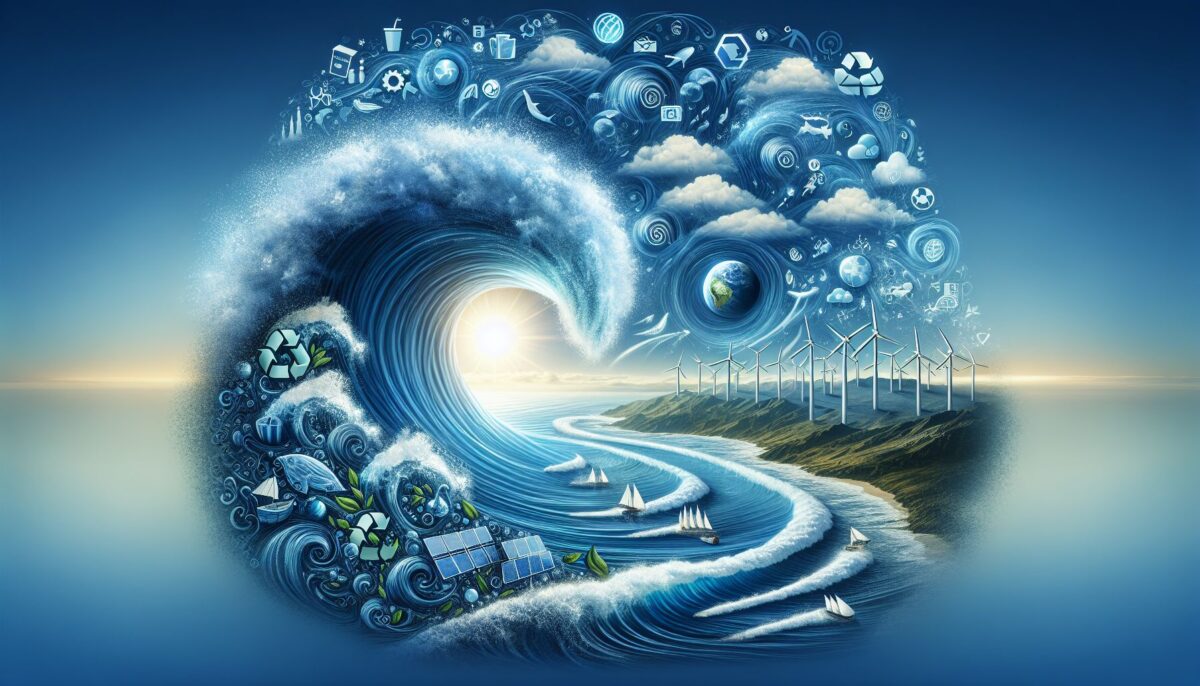
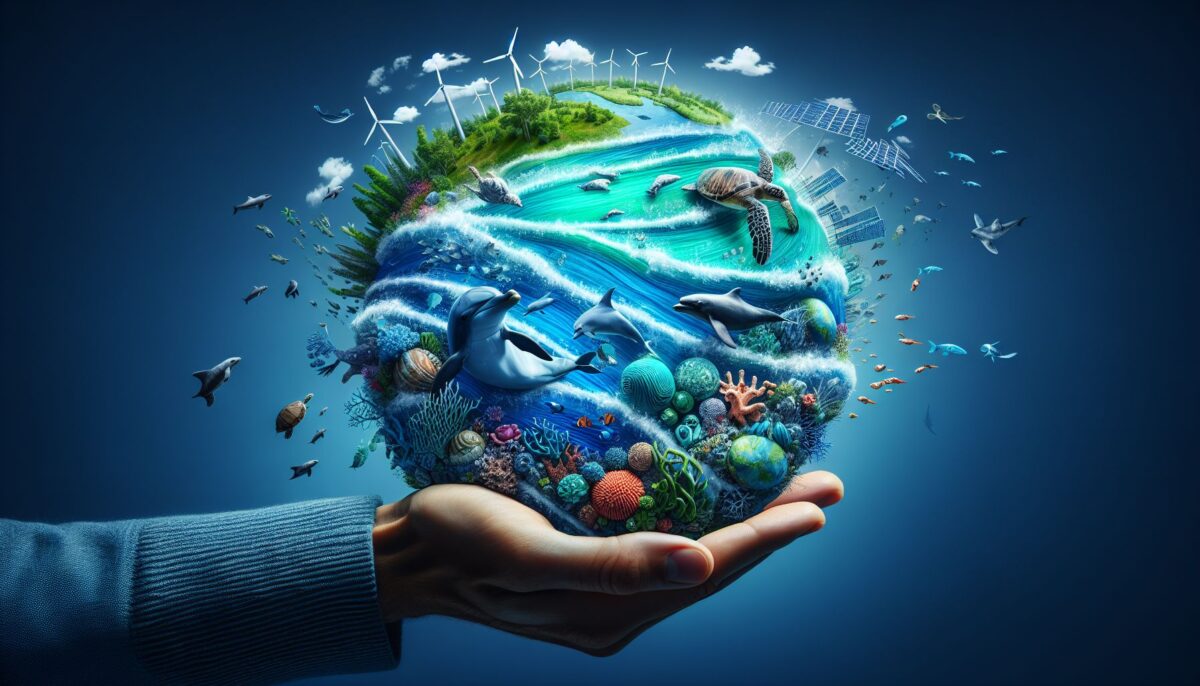
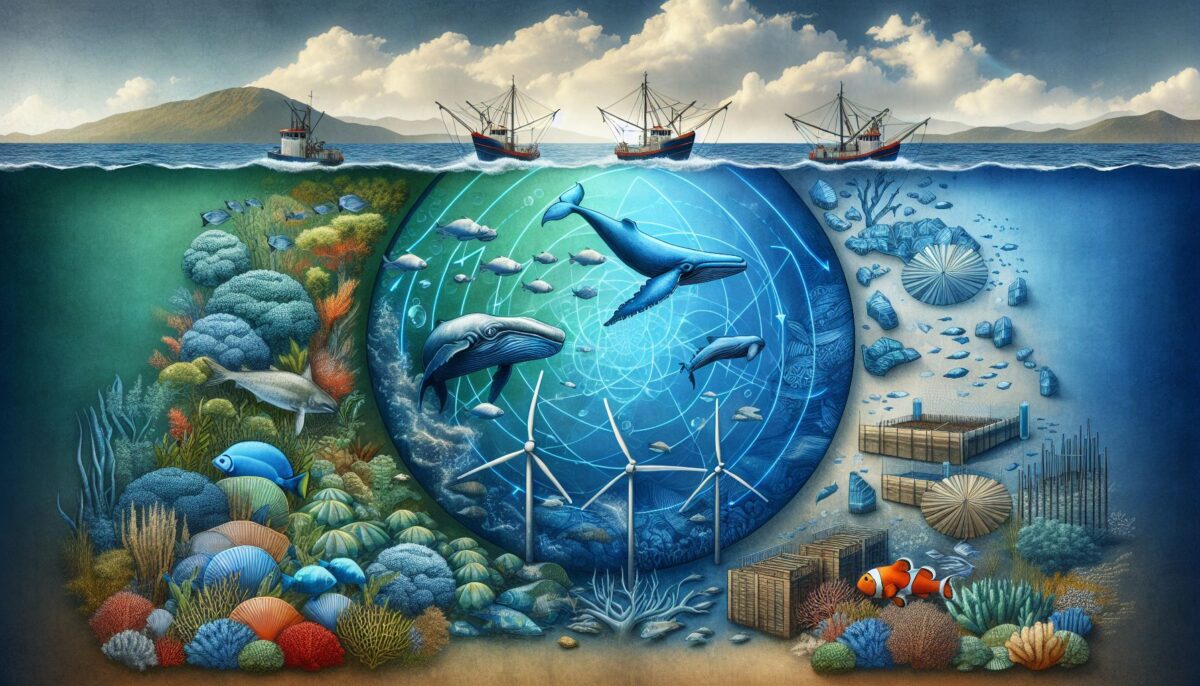
The Blue Economy refers to the sustainable use of ocean resources for economic growth, improved livelihoods, and jobs while preserving the health of ocean ecosystem. It encompasses a broad range of sectors, including fisheries, aquaculture, maritime trade, tourism, and energy. Moreover, the concept of the Blue Economy goes beyond economic activity, calling for a careful balance between marine resource exploitation and conservation, ensuring that the prosperity derived from the oceans does not compromise their ecological integrity.

Fisheries and Aquaculture: Key Pillars of the Blue Economy

Fisheries and aquaculture are two vital components of the Blue Economy. According to the FAO, over 57 million people were engaged in the primary sector of capture fisheries and aquaculture in 2016. These industries not only provide a significant source of protein to billions but also offer employment opportunities and economic security to coastal communities around the globe.

Sustainable Fisheries

Fisheries must be managed sustainably to ensure that fish stocks remain at healthy levels to support ecological balance and food security. Overfishing and illegal fishing practices threaten many species and can have cascading effects on marine ecosystems.

Marine Protected Areas

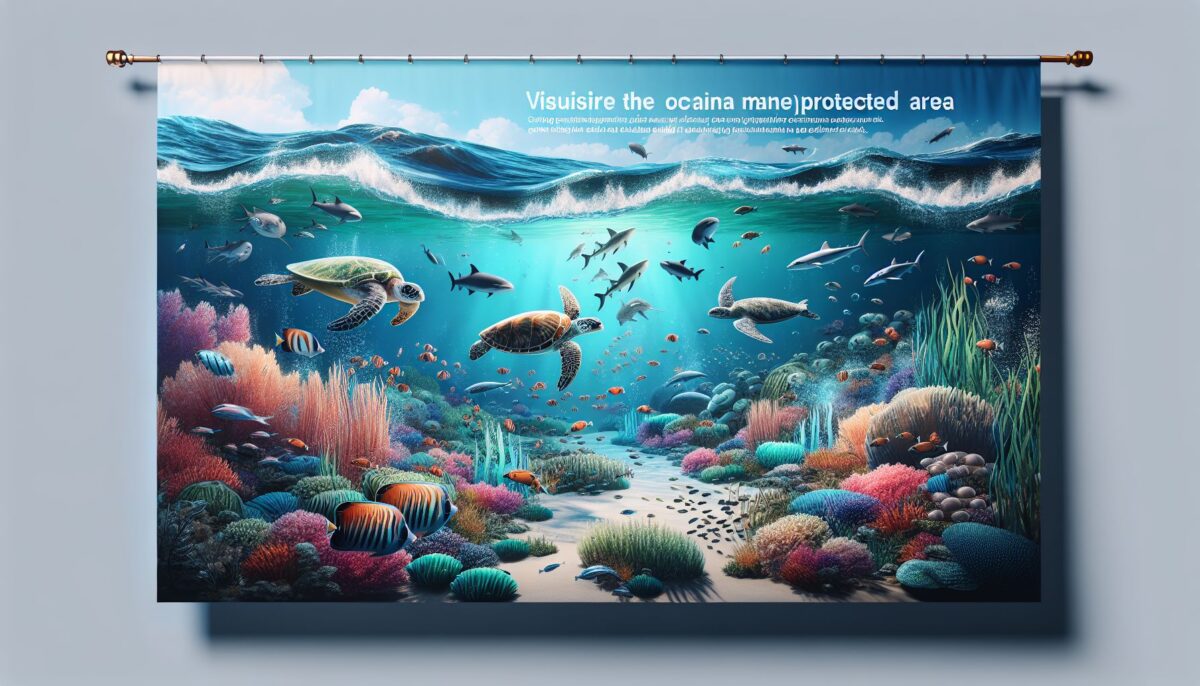
One cogent strategy for promoting the sustainability of fisheries is the establishment of Marine Protected Areas (MPAs). MPAs are designated zones where human activity is restricted to varying degrees to conserve the marine environment and biodiversity. According to the World Bank, effectively managed MPAs can yield fish biomass increases of 446% on average within the protected zone.

Aquaculture Development

Aquaculture, or the breeding, rearing, and harvesting of aquatic organisms, provides a complementary path to meeting the world’s seafood demand while alleviating pressure on wild fish populations. Innovations such as integrated multi-trophic aquaculture (IMTA), which mimics natural ecosystems, show promise in enhancing sustainability.

Marine Renewable Energy: Harnessing Wind, Wave, and Tidal Power

As we transition towards renewable sources, the ocean plays an ever-increasing role in energy generation:

  • Wind: Offshore wind farms, due to the strong and consistent winds at sea, offer a higher output compared to their onshore counterparts.

  • Wave and Tidal Energy: The kinetic energy of waves and the gravitational pull of tidal forces present immense, largely untapped reservoirs of energy. Technologies designed to harness this energy are being developed, such as tidal turbines and wave energy converters.

Tourism: Capitalizing on Coastal and Marine Beauty

Coastal and marine tourism merges economic development with the appreciation of nature. With activities ranging from beach visits to diving in coral reefs, this sector connects people to the ocean, fostering a public interest in marine conservation.

The Environmental Pillars of the Blue Economy

Coastal Management and Erosion Control

Effective coastal management policies are crucial for safeguarding habitats against the effects of climate change, such as sea-level rise and storm surges. Techniques incorporate both hard engineering structures and soft solutions such as mangrove replanting.

Marine Pollution and Ocean Cleanup

One of the biggest environmental challenges faced by our oceans is pollution. Initiatives to combat marine pollution include reducing inputs from land, such as nonpoint source pollution, managing marine debris, and responding to oil spills.

Ocean Cleanup Efforts

Organizations such as The Ocean Cleanup are developing technologies to remove plastic from the oceans, aiming to mitigate the impacts of marine debris on ecosystems and marine life.

Combating Ocean Acidification and Coral Bleaching

The increasing levels of CO2 are not only a climate concern; they also lead to ocean acidification which has adverse effects on marine life, particularly calcifying organisms like corals. Efforts to protect reefs include promoting resilience through MPA designation and restorative aquaculture techniques.

The Blue Economy in Data: Oceanographic and Marine Geological Research

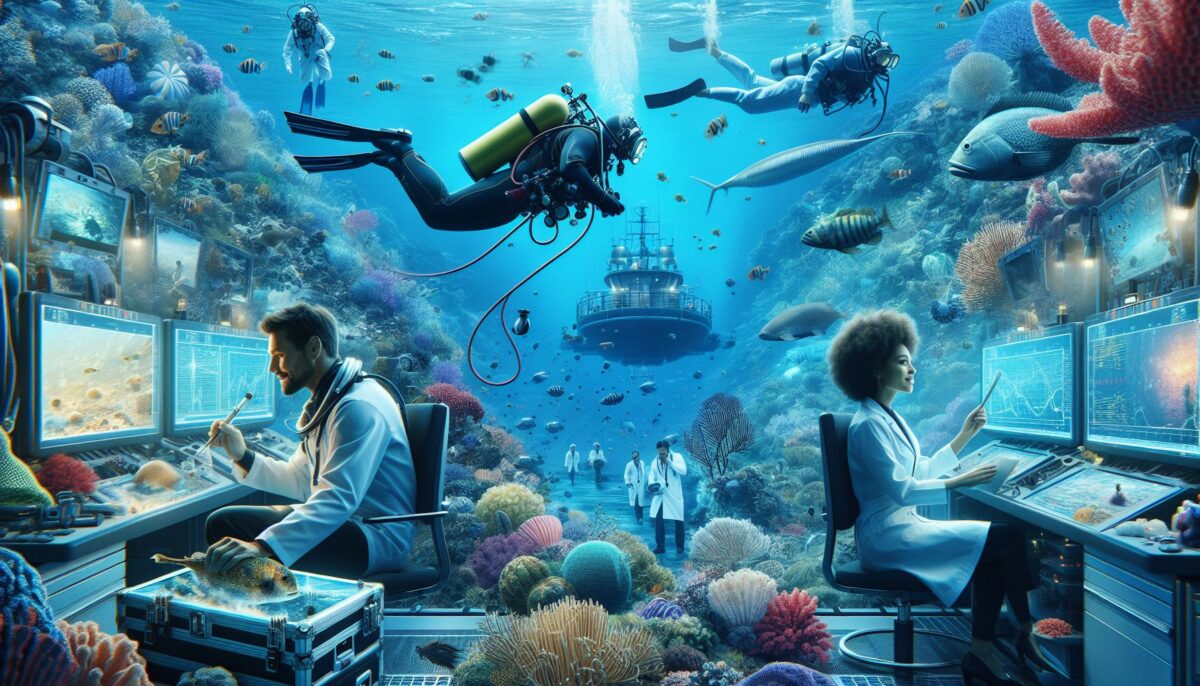
The roles of oceanography and marine geology in the Blue Economy cannot be understated. They not only provide critical information on marine resources but also offer insights into climate change, seafloor mapping, and understanding the processes governing ocean currents and tides.

Oceanographic Data and Navigational Technology

Advancements in oceanographic data collection and navigational technology have revolutionized shipping by improving maritime trade routes’ safety and efficiency. This includes the use of advanced sonar for bathymetry and the development of precise GPS systems.

Looking Forward: Challenges and Opportunities

Offshore Drilling and Renewable Transitions

While offshore drilling contributes significantly to the energy sector, the move towards renewable energy, such as offshore wind, presents an opportunity to phase out fossil fuel extraction in favor of more sustainable energy sources.

Desalination and Water Scarcity

As freshwater becomes increasingly scarce, desalination offers a solution by converting salt water to drinking water. However, the technology must be developed sustainably to avoid adverse environmental impacts.

Maritime Trade Adaptations

Maritime trade must adapt to the realities of climate change. Ports and harbors face the dual challenge of ensuring resilience in the face of sea-level rise while reducing their carbon footprint to mitigate further climate change impacts.

Marine Biotechnology and Genetic Resources

The exploration of marine genetic resources opens up new avenues for pharmaceuticals, biofuels, and material science. Ensuring that benefits derived from these resources are shared equitably is an integral part of a sustainable Blue Economy.

Conclusion

The Blue Economy represents a paradigm shift toward a more sustainable oceanic future, embracing economic practices that honor and protect our seas’ rich biodiversity and ecosystems. Its principles encourage us to balance human needs with the health of marine environments, ultimately contributing to global goals of poverty alleviation, food security, and climate resilience.

For further reading, consider these resources:

By embracing the Blue Economy, we can ensure that the world’s oceans continue to flourish, providing vital resources for today’s needs and preserving its wondrous splendor for future generations.

The Fragile Beauty of Coral Reefs: An Underwater Marvel at Risk

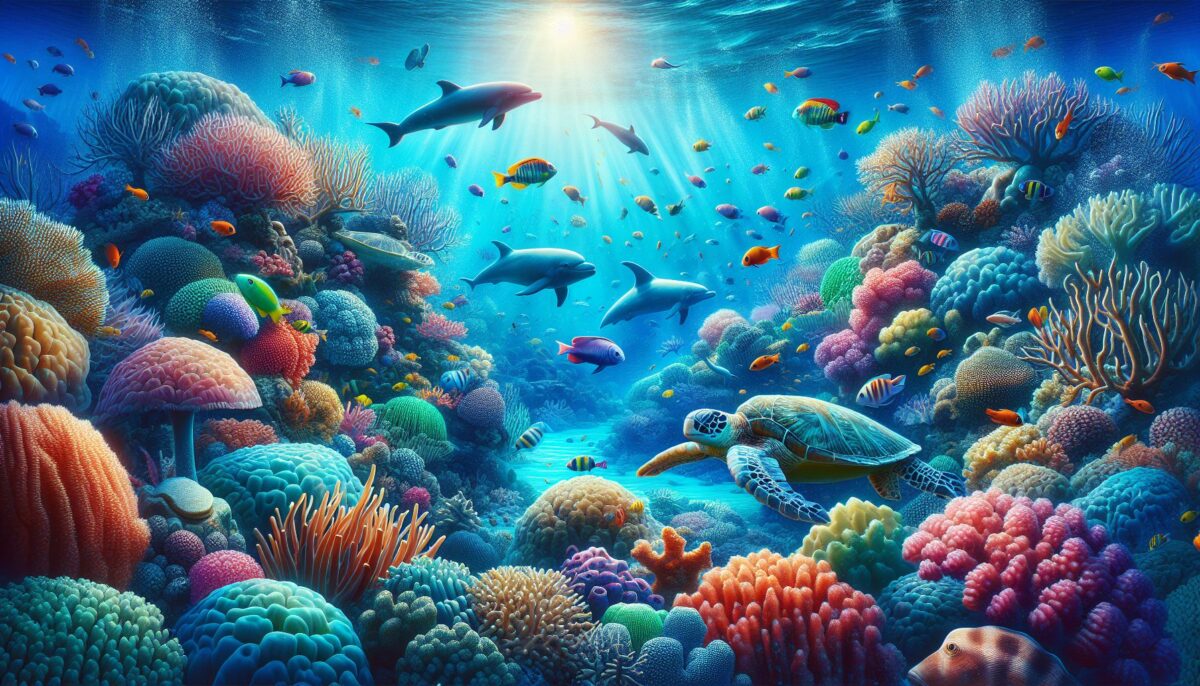
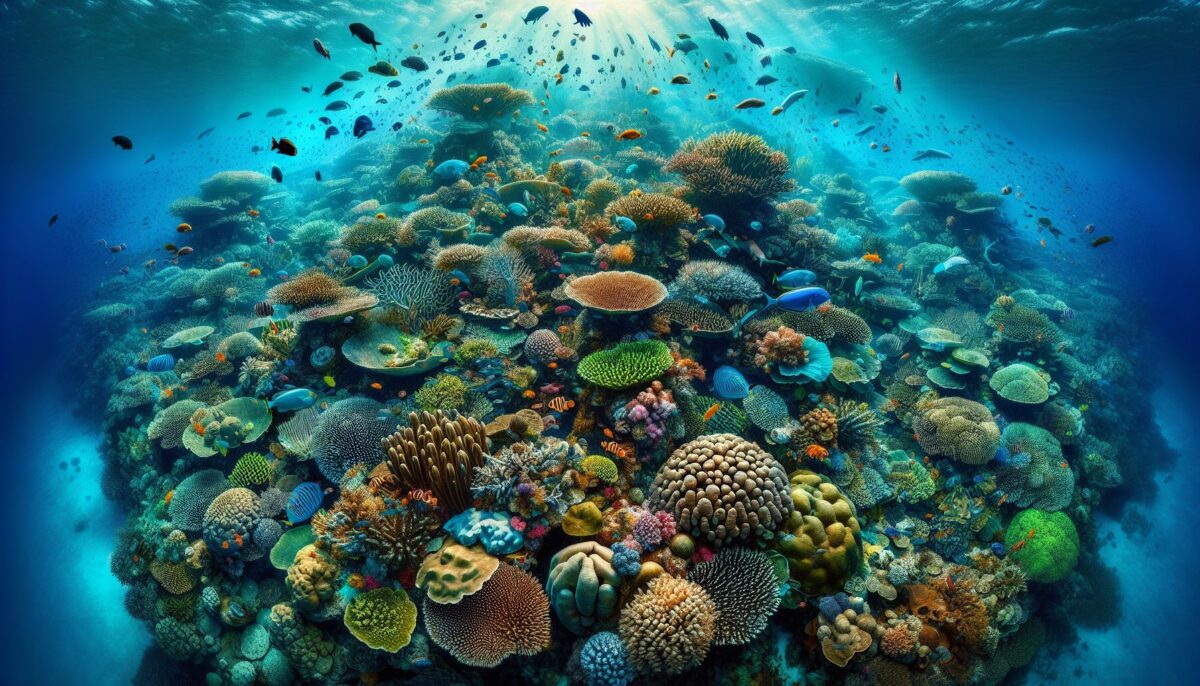
Coral reefs, often described as the rainforests of the sea, are one of the most diverse and valuable ecosystems on Earth. Home to an incredible variety of marine life, these underwater structures are not just crucial to ocean health but also to human economies and cultures. In this article, we will explore the world of coral reefs, their importance, the threats they face, and the efforts being made to protect and restore them.

What Are Coral Reefs?

Coral reefs are large underwater structures composed of the skeletons of colonial marine invertebrates called coral. Corals are tiny, soft-bodied organisms that belong to the class Anthozoa. Each coral secretes calcium carbonate to build a hard exoskeleton that protects its soft body. Corals live in symbiosis with algae called zooxanthellae, which provide corals with food through photosynthesis in exchange for shelter and carbon dioxide.

The Importance of Coral Reefs

Coral reefs provide numerous benefits to the marine environment and human societies:

  • Biodiversity: Reefs support an estimated 25% of all marine species despite covering less than 1% of the ocean floor [1].
  • Coastal protection: The physical structure of coral reefs dissipates wave energy, protecting shorelines from erosion and storm damage [2].
  • Economic value: Reefs contribute to economies through fisheries, tourism, and medicine. They generate billions of dollars annually and support millions of jobs around the world.
  • Cultural significance: Many cultures have strong connections to coral reefs, which are integral to their heritage and daily lives.

The Architecture of Coral Ecosystems

Coral reefs are divided into three main types: fringing reefs, barrier reefs, and atolls.

  • Fringing reefs are the most common type, developing directly off a coast.
  • Barrier reefs are parallel to the coast but separated by deeper, open water.
  • Atolls are circular reefs that surround a lagoon, often forming over sinking volcanic islands.

A Hub for Marine Life

The complex structures of coral reefs provide numerous habitats, making them hotspots for marine life. They host various species of fish, mollusks, crustaceans, echinoderms, and many other groups. Reefs also serve as nurseries for young fish, offering protection from predators and abundant food resources.

The Threats to Coral Reefs

Despite their importance, coral reefs face immense threats from both local and global stressors:

  • Climate Change: Rising sea temperatures lead to coral bleaching, where corals expel their symbiotic algae, leading to starvation and death [3].
  • Ocean Acidification: Increased levels of CO2 cause oceans to become more acidic, affecting corals’ ability to produce their calcium carbonate skeletons.
  • Overfishing: Depletes key reef species and alters the ecological balance.
  • Destructive fishing practices: Methods like blast fishing destroy reef structures.
  • Land-based pollution: Runoff containing pesticides, nutrients, and sediments can suffocate or poison coral reefs.
  • Marine debris: Plastic waste can smother corals and entangle marine life.
  • Unsustainable tourism: Physical damage from anchors, trampling, and improper waste disposal harms reefs.

Conservation and Restoration Efforts

In response to these threats, numerous conservation and restoration programs have been launched worldwide:

  • Marine Protected Areas (MPAs): Regions where human activities are regulated to protect the marine environment.
  • Coral Farming: Growing corals in nurseries and transplanting them onto damaged reefs.
  • Reducing Local Stressors: Implementing better fishing practices and pollution control.
  • Global Initiatives: Efforts like the International Coral Reef Initiative (ICRI) aim to promote reef resilience and sustainable use.

Advocacy and Education

Public awareness and education are crucial for coral reef conservation. Teaching people the value of reefs and how to protect them can foster a more environmentally conscious society. Additionally, supporting sustainable seafood and reducing carbon footprints are steps everyone can take to aid reef conservation.

The Role of Research

Ongoing scientific research is vital for understanding reef dynamics, the impacts of stressors, and the best approaches to reef management and recovery. Institutions and universities around the globe are dedicated to marine research, bringing us closer to protecting these ecosystems.

The Future of Coral Reefs

The health of coral reefs is a clear indicator of our overall ocean health. To ensure their survival, it is imperative that actions are taken now to mitigate the threats they face. With continued global cooperation, funding, and local action, there is hope for the future of these vibrant ecosystems and the vast array of life they support.

Sources

  1. Wilkinson, C. (2008). Status of Coral Reefs of the World: 2008. Global Coral Reef Monitoring Network and Reef and Rainforest Research Centre, Townsville, Australia.
  2. Sheppard, C., Davy, S.K., Pilling, G.M. (2009). The Biology of Coral Reefs. Oxford University Press.
  3. Hughes, T.P., Kerry, J.T., Álvarez-Noriega, M., et al. (2017). “Global warming and recurrent mass bleaching of corals,” Nature, 543, pp. 373–377. Nature.com

With a concerted effort across nations, industries, and individuals, we can ensure that coral reefs continue to thrive for future generations. While the challenges are significant, the unity in purpose and commitment to change can turn the tide for these invaluable ecosystems.

Unraveling the Mysteries of Ocean Currents: The Dynamic Forces Shaping Our Seas

The vast and boundless sea, with its mesmerizing hues of blue, is not just a marvel to behold but a complex system driven by a network of currents. These currents shape the climatic patterns, dictate the distribution of marine life, and influence human activity from commerce to coastal living. In this article, we will dive deep into the intriguing world of ocean currents, exploring their nature, significance, and the challenges they present in an ever-changing world. By examining the currents beneath the waves, we can better understand the lifeblood of our planet’s oceans.

What are Ocean Currents?

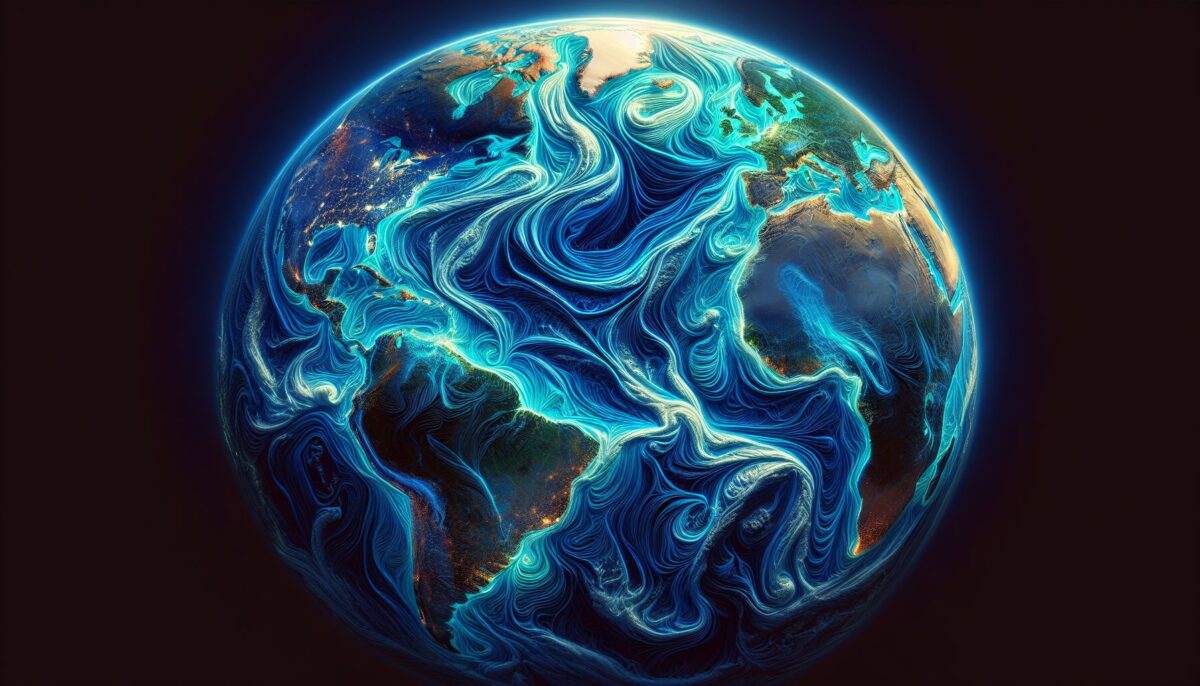
Ocean currents are continuous, directed movements of sea water generated by various forces acting upon the water, such as the Earth’s rotation, wind, temperature, salinity differences, and the gravity of the moon. These currents can flow for thousands of kilometers and are crucial in determining the climate of the surrounding regions.

Surface Currents vs. Deepwater Currents

Surface currents constitute about 10% of all the water in the ocean and are generally driven by wind. These currents are largely responsible for weather patterns and are affected by the Earth’s rotation, resulting in the Coriolis effect which makes the currents swirl in large circular systems called gyres.

Deepwater currents, in contrast, involve 90% of the ocean water and are primarily driven by density differences due to temperature and salinity, also known as thermohaline circulation. This global conveyor belt moves water slowly across the globe, transporting heat, nutrients, and gases.

How are Ocean Currents Formed?

The formation of ocean currents is complex and relies on several factors:

  1. Wind: The primary force that drives surface currents is the wind. When the wind blows across the surface of the ocean, it drags the water with it through friction.

  2. The Sun: Uneven solar heating, which causes differences in water temperature, leads to variations in water density and creates pressure gradients that drive currents.

  3. Earth’s Rotation: The Coriolis effect, due to the rotation of the Earth, deflects paths of the wind and currents: to the right in the Northern Hemisphere and to the left in the Southern Hemisphere.

  4. Gravity: Gravity pulls on the water, affecting tidal movements that can generate ocean currents.

  5. Shape of Coastlines and Ocean Basins: The configuration of the Earth’s continents and ocean basins can channel and direct currents.

Major Ocean Currents

Some of the major ocean currents include the Gulf Stream in the north Atlantic, the Kuroshio Current in the north Pacific, the Agulhas Current in the Indian Ocean, and the Antarctic Circumpolar Current. These powerful currents can have significant impacts on maritime navigation and climate.

The Importance of Ocean Currents

Ocean currents play a pivotal role in shaping several aspects of our planet:

Climate Regulation

Currents are instrumental in transferring heat from the equator to the poles, thereby regulating climate. For example, the Gulf Stream carries warm water to the North Atlantic, making the climate in Europe significantly warmer than other locations at similar latitudes.

Marine Life

Currents influence the availability of nutrients in different parts of the ocean, affecting ecosystems and marine biodiversity. Upwelling, a process where deep, cold, and nutrient-rich water rises to the surface, supports rich marine ecosystems and productive fisheries.

Human Activities

Currents affect human activities such as shipping and fishing. They can also influence the operations of offshore drilling and the efficacy of search and rescue missions at sea.

Challenges and Changes in the Currents

Climate Change

Global warming is having a profound impact on ocean currents. Alterations in wind patterns and the melting of polar ice are affecting the thermohaline circulation, which could have drastic consequences on global climate systems.

Pollution

Human activities contribute to pollution that can disrupt the delicate balance of ocean ecosystems, affecting the health of currents and the life within them.

Overfishing

Fishing practices can lead to the depletion of key species which play an important role in the ocean food web, potentially altering current patterns.

Conclusion

Ocean currents are the dynamic and powerful forces that drive many of the Earth’s systems. They are fundamental to understanding not just the ocean itself but the broader aspects of Earth’s climate, weather, and marine ecosystems. As our planet faces unprecedented changes due to human influence, it becomes even more crucial to study and protect the integrity of these hidden rivers within our oceans.

Sources

  1. National Oceanic and Atmospheric Administration (NOAA) – https://www.noaa.gov
  2. World Meteorological Organization (WMO) – https://public.wmo.int
  3. Intergovernmental Panel on Climate Change (IPCC) – https://www.ipcc.ch

The Rising Tide of Change: Achieving Sustainability in the Blue Economy

In an era of profound environmental turmoil and economic transition, the term “blue economy” has emerged as a beacon of balance between economic development and ecological preservation. The blue economy encompasses a vast spectrum of marine and coastal assets, activities, and resources that together hold the potential to contribute to sustainable development, particularly in coastal and island countries. This article delves into the essence of the blue economy, its significance in today’s society, and the challenges and opportunities that lie within.

Understanding the Blue Economy

The concept of the “blue economy” has surged in policy, academic, and business circles, proposing a framework to foster economic growth derived from the sea and its resources, while simultaneously protecting ocean health. The term extends beyond the marine environment, fostering innovation and efficiency across various sectors that are either directly or indirectly linked to the oceans, seas, and coasts.

Pillars of the Blue Economy

The blue economy includes traditional maritime sectors such as fisheries, tourism, and maritime transport, but it also incorporates emerging industries like offshore renewable energy, aquaculture, seabed mining, and biotechnology. Central to its mission is not merely exploiting these resources, but doing so in a manner that is sustainable and equitable. The blue economy aims to improve human wellbeing and social equity while significantly reducing environmental risks and ecological scarcities.

The Role of Marine Resources

Marine resources play a pivotal role in the blue economy, offering a plethora of services:

  • Food provision: Fisheries and aquaculture supply a significant portion of the global protein intake, particularly in developing countries.

  • Energy: The oceans offer renewable energy sources, such as tidal and wave energy, that can help wean the world off fossil fuels.

  • Transportation: Shipping lanes are the lifeblood of global trade, with ports serving as crucial hubs for the exchange of goods.

  • Recreation: Coastal and marine tourism enrich local economies and foster cultural exchange.

Key Challenges in the Blue Economy

Despite its potential, the blue economy also faces challenges that must be addressed:

  1. Overfishing: Unsustainable fishing practices deplete fish stocks and disrupt marine ecosystems.

  2. Marine pollution: From plastic debris to chemical runoff, pollution is a dire threat to marine biodiversity and human health.

  3. Ocean acidification and coral bleaching: Climate change-related phenomena that impair the health of coral reefs, vital to marine life and coastal protection.

  4. Habitat destruction: Coastal development and certain fishing methods, such as bottom trawling, devastate crucial marine habitats.

  5. Equitable access: Ensuring that the benefits derived from the blue economy are shared fairly among nations and communities.

  6. Climate change: Rising sea levels, increasing storm severity, and temperature fluctuations pose risks to the blue economy’s sustainability.

Strategies for Sustainable Blue Economy

To realize a truly sustainable blue economy, several strategies must be considered:

  • Sustainable fisheries management: Adopting practices like setting catch limits, protecting nursery grounds, and enforcing no-fishing zones can help restore fish populations.

  • Pollution control: Implementing stricter regulations on land-based pollution, improving waste management, and enhancing marine litter clean-up efforts can preserve ocean health.

  • Renewable marine energy: Investment in tidal, wave, and offshore wind energy can reduce dependence on non-renewable sources.

  • Eco-tourism: Promoting tourism that respects the marine environment and supports local communities can foster sustainable growth.

  • Marine protected areas (MPAs): Establishing MPAs helps preserve biodiversity, protect endangered species, and regenerate over-exploited areas.

  • Climate change mitigation: Reducing carbon emissions, investing in carbon sequestration, and employing coastal adaptation measures are vital.

Advancing Research and Innovation

Continued research and technological innovation are crucial cornerstones of a resilient blue economy. Insights from oceanography, marine biology, and marine geology inform sustainable practices, while advancements in areas like seabed mapping, aquaculture technology, and bioprospecting (the search for plant and animal species from which medicinal drugs and other commercially valuable compounds can be obtained) open new economic frontiers.

International Cooperation

The interconnected nature of the world’s oceans necessitates international collaboration. Agreements like the United Nations Convention on the Law of the Sea (UNCLOS) and the Sustainable Development Goals (SDGs), particularly SDG 14, which calls for the conservation and sustainable use of the oceans, seas, and marine resources, serve as frameworks for nations to cooperate on marine issues.

Regional Success Stories

Examples of blue economy success can be found around the globe:

  • The Caribbean: Known for its sandy beaches and coral reefs, the Caribbean has prioritized marine biodiversity conservation and sustainable tourism.

  • The Pacific Islands: With vast ocean territories, Pacific Island nations are investing in sustainable fisheries and marine spatial planning.

  • Norway: A leader in maritime technology and offshore renewable energy, Norway exemplifies integrating economic growth with ocean conservation.

The Road Ahead

The sustainable management of our ocean resources through the blue economy represents a crucial pathway towards a more equitable and environmentally friendly future. Balancing economic aspirations with the imperative of conservation demands creativity, collaboration, and commitment to stewardship.

As we look forward, the blue economy holds the promise of sustainable wealth creation that can support millions of people worldwide. Yet, it also presents significant challenges that require interdisciplinary solutions. A collective, informed effort by governments, private enterprises, civil society, and individuals is critical in steering the global community towards a sustainable and inclusive blue economy.

Sources

  1. Silver, J. J., Gray, N. J., Campbell, L. M., Fairbanks, L. W., & Gruby, R. L. (2015). Blue Economy and Competing Discourses in International Oceans Governance. The Journal of Environment & Development, 24(2), 135–160.
  2. The World Bank. (2017). What is the Blue Economy? Retrieved from The World Bank website: https://www.worldbank.org/en/news/infographic/2017/06/06/blue-economy
  3. United Nations. (2017). Sustainable Development Goal 14. Retrieved from United Nations website: https://sdgs.un.org/goals/goal14

Utilizing these strategies and insights, there is a path forward to harness the blue economy’s potential without sacrificing the very environment it depends on. Through innovation, responsible governance, and ethical practices, the future of the blue economy shines as a beacon of hope for sustainable development across the globe.

Navigating the Fascinating World of Ocean Currents: The Lifelines of Our Blue Planet

The world’s oceans are not a homogeneous mass of water but are rather defined by a complex network of currents that circulate water across vast distances. These currents are driven by various factors, including wind, the rotation of the Earth, changes in water temperature and salinity, and the shape of the ocean basins. Just as the circulatory system in the human body distributes vital nutrients, ocean currents play a critical role in regulating the Earth’s climate, distributing heat, and supporting marine life. In this deep dive, we’re going to explore the power and influence of ocean currents, and why they matter more than you might think.

Introduction to Ocean Currents

Ocean currents are continuous, directed movements of seawater generated by forces acting upon the water, such as the Earth’s rotation, wind, the Sun’s heat, and water density differences.

Sources of Ocean Currents
Wind: Surface currents, comprising about 10% of all the water in the ocean, are primarily driven by wind. The wind drags on the surface of the water, creating friction and setting it into motion.
Thermohaline Circulation: Deep-ocean currents are driven by differences in the water’s density, which are caused by variations in temperature and salinity, hence the term ‘thermohaline’. These currents make up the other 90% of the ocean.
Coriolis Effect: The rotation of the Earth changes the course of currents through the Coriolis effect, causing them to veer to the right in the Northern Hemisphere and to the left in the Southern Hemisphere.
Topography: The shape of ocean basins and nearby landforms can influence the direction and speed of currents.

The Importance of Ocean Currents

Climate Regulation
Currents play a crucial role in regulating the world’s climate by transporting warm water and precipitation from the equator toward the poles and cold water from the poles back to the tropics. Without currents, regional temperatures would be more extreme—super hot at the equator and freezing near the poles—making much of our planet uninhabitable.

Nutrient Transport
Currents carry nutrients from the deep waters to the surface. These nutrients support the growth of phytoplankton, which in turn, is the primary food source for a plethora of marine life, forming the base of the marine food web.

Navigation
For centuries, mariners have used ocean currents to aid in navigation and speed up travel. Today, understanding currents continue to be essential for shipping and navigation, influencing the routes taken by ocean-going vessels.

Major Ocean Currents

Surface Currents

  • The Gulf Stream: Located in the North Atlantic, it is one of the strongest ocean currents and is essential for transporting heat from the Gulf of Mexico toward Northern Europe.
  • The Kuroshio Current: The Pacific equivalent of the Gulf Stream, it runs along the east coast of Japan and is responsible for the relatively mild climates observed there.
  • The East Australian Current: Made famous by the movie “Finding Nemo”, it is a warm ocean current that moves water down the east coast of Australia.

Deep Ocean Currents

  • Antarctic Circumpolar Current: The largest ocean current, it moves water around Antarctica and connects the Atlantic, Pacific, and Indian oceans.
  • Global Conveyor Belt: An interconnected system of deep and surface currents circling the globe, which can take a thousand years to make one complete cycle, redistributing heat and nutrients throughout the oceans.

The Impact of Climate Change on Ocean Currents

The ongoing climate changes can disrupt and alter ocean currents. As global temperatures rise, so does the temperature of the ocean’s surface. This can lead to increased melting of polar ice, which not only adds more freshwater into the ocean but also disrupts the salinity and density-driven components of thermohaline circulation. Scientists are particularly concerned about the potential slowing down or even shutdown of the Gulf Stream due to climate change, which could lead to drastic climate shifts, especially in Europe.

Today’s Use of Ocean Current Data

Marine Navigation
Understanding ocean currents is essential for plotting the fastest and most fuel-efficient routes for ships, especially for international shipping and naval operations.

Fisheries and Aquaculture
Ocean currents affect the health and location of fisheries. The knowledge of currents is used to manage sustainable fishing practices and aquaculture sites.

Disaster Response
In the unfortunate event of oil spills or other marine pollution incidents, understanding the patterns of currents can be crucial for the cleanup and containment efforts.

Renewable Energy
Tidal and ocean current energy represents a massive, untapped source of renewable energy. By harnessing the kinetic energy of currents, we have the potential to power millions of homes without emitting greenhouse gases.

The Study of Ocean Currents

Oceanography, specifically physical oceanography, is the study of ocean currents and related processes. It’s an interdisciplinary field that uses biology, chemistry, geology, and physics to understand how ocean currents function and affect global ecosystems.

Recent Research and Technological Advances

Scientists rely on a variety of tools and technology to study ocean currents:

  • Satellites: They measure the height of the sea surface to infer the speed and direction of currents.
  • Buoys and Floats: Deployed in the ocean, they directly measure the movement of water.
  • Oceanographic Vessels: These specialized ships allow scientists to conduct research and collect data out at sea.
  • Autonomous Underwater Vehicles (AUVs) and Gliders: These devices can travel through the ocean, collecting data on currents, temperature, and salinity.

Resources for Further Research

To delve deeper into the world of ocean currents, here are some valuable resources:

  1. National Oceanic and Atmospheric Administration (NOAA) – NOAA offers extensive information on ocean currents and how they are monitored.
  2. Intergovernmental Oceanographic Commission (IOC) – The IOC is part of UNESCO and provides information on global ocean currents and their effects.
  3. Ocean Motion – This online resource provides educational tools for understanding ocean surface currents.

Conclusion

By examining ocean currents, we’ve uncovered just how powerful and essential these rivers within the sea are to life on our planet. From moderating the world’s climate to providing the routes for marine navigation, currents shape the Earth’s ecosystems and human livelihoods in profound ways. It is imperative that we continue to study and respect these life-sustaining features of our blue planet, as they are susceptible to the impacts of climate change.

Understanding and preserving ocean currents is not just about protecting the marine environment; it’s about ensuring the future health of our entire planet’s climate system. Whether you’re a scientist, a policymaker, or simply someone who is captivated by the wonders of the sea, there’s always more to learn and explore when it comes to the dynamic lifelines of our oceans.

Unveiling the Mysteries of the Deep Blue: An Exploration into the World of Oceanography

The ocean, a vast and mysterious expanse, covers over 70% of our planet’s surface and shapes the very foundation of life on Earth. Embedded within its depths are secrets that scientists, adventurers, and dreamers have sought to uncover for centuries. Its influence is pervasive, affecting global weather patterns, supporting diverse ecosystems, and serving as a critical component of the Earth’s life-support system. An integral part of understanding this immense body of water lies in the science of oceanography—a field dedicated to exploring all facets of the ocean, from its physical properties to the complex life forms it harbors. In this in-depth exploration, we immerse ourselves in the fascinating world of oceanography, a realm teeming with wonders and crucial to our survival.

The Scope of Oceanography: Understanding a Complex Ecosystem

Oceanography is an interdisciplinary field that combines various scientific disciplines, including biology, chemistry, geology, and physics, to understand the world’s oceans. It addresses everything from the microscopic plankton to the massive whales, the chemistry of the water, the movement of currents, and the contours of the seafloor.

In recent decades, oceanography has evolved dramatically due in part to technological advancements and a growing recognition of the ocean’s significance in global environmental health. Today’s oceanographers employ sophisticated tools like remote sensing satellites, autonomous underwater vehicles (AUVs), and deep-sea submersibles to probe the ocean’s depths and uncover its secrets. These technologies provide invaluable data that help to map unexplored regions, monitor marine life, and predict changes in climate and weather patterns.

Importance of Oceans: A Global Perspective

Climate Regulation and Weather Patterns

The ocean plays a pivotal role in regulating the Earth’s climate. It absorbs vast amounts of solar radiation and distributes heat around the globe through its currents. This natural thermostat effect is critical in stabilizing the global climate and influencing weather patterns. The ocean’s influence extends to the formation of clouds and precipitation, playing a significant part in the water cycle.

Biodiversity Hotspots

Home to an estimated 50-80% of all life on Earth, the ocean hosts an incredible diversity of organisms. This biodiversity ranges from the smallest microbes and plankton to the largest mammals, like the blue whale. Marine ecosystems, such as coral reefs and mangrove forests, are among the most productive and biologically diverse areas on the planet, supporting countless species and intricate food webs.

Economic and Nutritional Sustenance

For human populations, the ocean is a critical source of sustenance and economic activity. Fisheries and aquaculture provide the primary source of protein for billions of people worldwide. Additionally, the concept of the “blue economy” centers around sustainable use of ocean resources for economic growth, improved livelihoods, and jobs, all while preserving the health of ocean ecosystems.

Challenges Facing the Ocean: A Troubled Present and an Uncertain Future

Despite its significance, the ocean faces numerous threats stemming from human activities and climate change. These include marine pollution, ocean acidification, coral bleaching, and overfishing. Here appears a brief overview of several major challenges confronting oceanic health:

Marine Pollution

Pollutants ranging from plastics to chemicals enter the ocean constantly, causing devastating effects on marine life and habitats. Oil spills, such as the Deepwater Horizon disaster, pollute vast stretches of the ocean, endangering wildlife and disrupting ecosystems.

Ocean Acidification

The absorption of increased atmospheric carbon dioxide (CO2) leads to the ocean becoming more acidic. This change in pH affects the ability of organisms like coral and shellfish to form their calcium carbonate structures, threatening entire ecosystems.

Coral Bleaching

Rising ocean temperatures result in the mass bleaching of coral reefs, which occurs when corals expel the symbiotic algae living in their tissues. This not only weakens the corals but also disrupts the diverse communities that depend on reefs.

Overfishing

Unsustainable fishing practices pose a direct threat to marine biodiversity and fish stocks. The demand for seafood, if not managed responsibly, can lead to the depletion of key species and the alteration of marine food webs.

Navigating Solutions: Toward Sustainable Ocean Stewardship

To address the myriad challenges facing the ocean, scientists, policymakers, and conservationists are working together to promote ocean literacy and develop effective coastal management strategies. These efforts include establishing marine protected areas, implementing sustainable fishing practices, and reducing pollution through better waste management. Additionally, international agreements such as the United Nations’ Sustainable Development Goal 14, which aims to “conserve and sustainably use the oceans, seas, and marine resources,” underscore the global commitment to preserving our marine environments.

Exploring Deeper: Uncharted Waters and Technological Advances

Oceanographers are continually expanding our knowledge of the ocean through research and exploration. Cutting-edge technology allows us to delve into previously inaccessible depths and study phenomena like hydrothermal vents, cold seeps, and the rich biodiversity found in the hadal zone, the deepest part of the ocean.

Remote Sensing and Robotics

Advances in satellite and drone technology enable the collection of vast amounts of oceanographic data from remote or dangerous areas. Autonomous underwater vehicles and remotely operated vehicles can dive to extreme depths, transmitting real-time data and capturing images of the elusive creatures that inhabit the ocean’s darkest corners.

Education and Awareness: The Public’s Role

Public education and awareness are paramount in the quest for ocean conservation. Through various initiatives and curriculums, individuals can learn about the importance of the ocean, the risks it faces, and the actions necessary to safeguard it. Citizen science programs engage the public in data collection and monitoring efforts, fostering a sense of stewardship and connection to the marine environment.

Conclusion: An Endless Frontier

The ocean is an endless frontier, rich in resources and teeming with life. As we continue to explore and understand its complexities, the importance of preserving this vital component of our planet becomes increasingly clear. Oceanography not only unveils the marvels beneath the waves but also helps us appreciate and protect the ocean’s invaluable role in sustaining life on Earth.

Sources

  1. National Oceanic and Atmospheric Administration (NOAA) – https://www.noaa.gov
  2. United Nations – Sustainable Development Goals – https://sdgs.un.org/goals/goal14
  3. Intergovernmental Oceanographic Commission of UNESCO – https://ioc.unesco.org

By diving into the science of oceanography, we not only learn about the intricacies of this vital ecosystem but also come to understand our responsibility in maintaining its health for future generations to thrive.

Exploring the Intricacies of Coral Reefs: A Dive into Marine Biodiversity and Conservation

Coral reefs, often referred to as the “rainforests of the sea,” are among the most fascinating and complex ecosystems on our planet. These underwater architectural marvels are not only vital to marine life but also offer a multitude of benefits to human society, ranging from coastal protection to sources of novel medicines. Despite their importance, coral reefs face unprecedented threats due to human activities and climate change. This article delves into the world of coral reefs, exploring their biodiversity, the challenges they face, and why their conservation is crucial for our future.

What are Coral Reefs?

Coral reefs are underwater structures composed primarily of the calcium carbonate skeletons of corals, which are small marine animals from the phylum Cnidaria. These polyps live in symbiotic relationships with photosynthetic algae known as zooxanthellae. The vibrant colors of coral reefs are primarily due to these algae, which provide the coral with essential nutrients through photosynthesis, while the coral provides the algae with a protected environment and carbon dioxide needed for photosynthesis.

These ecosystems are remarkable, not only for their beauty but also for the sheer richness of marine life they support. Coral reefs are home to an estimated 25% of all marine species, despite covering less than 1% of the ocean floor [1].

The Importance of Coral Reefs

Coral reefs provide an array of ecosystem services that are invaluable to both marine life and humans:

  • Biodiversity: Reefs support a high diversity of species, offering food, shelter, and breeding grounds for many forms of marine life, including fish, crustaceans, mollusks, and more.
  • Economic value: The fishing industry heavily relies on coral reefs as they are critical nursery grounds for fish. Furthermore, reefs attract tourists, boosting the economy through dive tourism and recreation.
  • Coastal protection: Reefs act as natural barriers, absorbing wave energy and thus protecting coastlines from erosion, storms, and even tsunamis.
  • Scientific discovery: Reefs are a source of potential new medicines, as marine organisms found in reef ecosystems have been used in developing treatments for diseases including cancer, HIV, and pain relief.

The Threats Facing Coral Reefs

Despite their importance, coral reefs are under threat from various sources:

  • Climate change: Rising sea temperatures can cause coral bleaching, where corals expel the symbiotic algae they rely on, leading to stress and potential death of the coral.
  • Ocean acidification: Increased CO2 levels in the atmosphere lead to more acidic oceans, which can dissolve coral skeletons and impede coral growth.
  • Overfishing: The removal of key species can disrupt the balance of reef ecosystems, leading to negative cascading effects on the reef structure and biodiversity.
  • Pollution: From plastic debris to chemical pollutants and run-offs from agriculture, pollution can smother reefs and poison marine life.
  • Destructive fishing practices: Techniques like blast fishing and cyanide fishing not only kill fish but also destroy the physical structure of coral reefs.

Coral Bleaching: A Sign of Distress

Coral bleaching events are becoming more frequent and severe due to climate change. Bleaching occurs when corals are stressed by changes in conditions, such as temperature, light, or nutrients, causing them to expel the algal partners necessary for their survival. The coral turns white or very pale, and while bleached corals are not immediately dead, they are at a higher risk if a stressor persists.

The most widespread and damaging bleaching events are typically caused by elevated sea temperatures. For instance, the global bleaching event of 2014-2017 affected 75% of the world’s coral reefs and resulted in the loss of large areas of corals globally [2].

Marine Protected Areas and Coral Conservation

Marine Protected Areas (MPAs) have been established in several regions to help conserve coral reefs and other marine ecosystems. MPAs are sections of the ocean where human activity is limited or entirely prohibited to conserve the natural environment, protect biodiversity, and maintain sustainable levels of fishing.

The establishment of MPAs has demonstrated positive effects on coral reefs, with increases in biodiversity, biomass, and ecosystem health being recorded [3]. However, only a fraction of the world’s coral reefs are currently within MPAs, and the enforcement of regulations within these areas can be challenging.

Sustainable Practices to Protect Coral Reefs

In addition to MPAs, several other conservation strategies and sustainable practices are vital for the protection of coral reefs:

  • Sustainable fishing practices: Implementing quotas, size limits, and gear restrictions can help maintain fish populations and reef health.
  • Reducing pollution: Limiting agricultural runoff, properly disposing of chemicals, and reducing plastic use can decrease the pollution that reaches the oceans.
  • Restoration projects: Coral farming and transplantation efforts can assist in rebuilding damaged reefs.
  • Raising awareness: Educating the public about the importance of coral reefs and the threats they face can inspire action and support for coral conservation.

The Future of Coral Reefs

The future of coral reefs is uncertain, as they are highly sensitive to environmental changes. However, there is still hope for these extraordinary ecosystems. If global efforts to mitigate climate change are successful and if conservation strategies and sustainable practices are implemented and enforced, we may be able to preserve these natural wonders for future generations.

Coral reefs are not only a keystone of marine biodiversity but also a critical component in the livelihoods and cultures of many coastal communities around the world. Their beauty, complexity, and importance are undeniable, and they deserve our earnest efforts in understanding, protecting, and restoring them. Through collective global action, we have the power to ensure that coral reefs continue to thrive, harboring the vast array of life within them and providing their essential services to humanity and the planet.

References

  1. IUCN – Coral reefs and climate change: https://www.iucn.org/resources/issues-briefs/coral-reefs-and-climate-change
  2. Hughes, T. P., et al. (2018). “Spatial and temporal patterns of mass bleaching of corals in the Anthropocene.” Science 359.6371 (2018): 80-83
  3. Conservation International – Marine Protected Areas: https://www.conservation.org/priorities/marine-protected-areas

Humanity’s relationship with coral reefs is deeply interconnected, and it is in our best interest as much as the planet’s to ensure their survival. By cultivating a deeper understanding and respect for these ecosystems, and by taking decisive action to protect them now, we are investing in the health and wealth of both current and future generations. It is through actions big and small, from personal lifestyle choices to international conservation efforts, that we can continue to marvel at the splendor of coral reefs, these underwater bastions of life.

The Tides of Change: Understanding Ocean Tides and Their Role in Coastal Ecosystems

The ebb and flow of the ocean tides are one of nature’s most consistent and dynamic phenomena. Affecting everything from marine life to human activities, tides shape the very essence of coastal environments. This article delves into the fascinating world of tides, exploring their causes, variations, and the pivotal roles they play in shaping coastal ecosystems.

What Are Tides and What Causes Them?

Tides are the long-period rise and fall of sea levels caused by several factors including the gravitational pulls of the moon and the sun, the rotation of the Earth, and the depth and topography of the ocean floor. The combined gravitational force of the moon and the sun on the Earth’s water body is the primary cause of tides.

The Moon’s Influence

The moon, being closer to the Earth, has a greater effect on tides. Its gravitational pull causes the ocean waters on the side of the Earth nearest to the moon to bulge outwards, creating what is known as a tidal bulge. Directly opposite, on the far side of the Earth, another bulge occurs due to the inertia of the water resisting the moon’s pull. These bulges move around the Earth as it rotates, causing high and low tides.

The Sun’s Role

While the sun is much bigger than the moon, it is also much farther away from the Earth. Therefore, its influence on tides is less – only about half that of the moon. However, when the sun, moon, and Earth are all in line (during full and new moons), their gravitational forces combine to create the highest high tides and the lowest low tides, known as “spring tides.”

Earth’s Rotation and Other Factors

The Earth’s rotation also impacts the timing and height of tides. Coastal features and varying depths of the ocean floor can intensify or diminish tidal heights and change the timing when tides occur along the coast.

The Difference Between High and Low Tides

The difference in height between the high tide and the low tide is called the tidal range. The tidal range can be affected by the alignment of the sun and moon and is also subject to geographical variances. Some areas, like the Bay of Fundy in Canada, experience extreme ranges known as macrotides. In contrast, smaller ranges, called microtides, are a feature of areas with less tidal influence, such as the Mediterranean Sea.

Tides and Coastal Ecosystems

Tides influence coastal ecosystems in several profound ways.

Intertidal Zones

The intertidal zone, which is the area between high and low tide, is among the most impacted. This zone supports unique and diverse organisms adapted to the rhythm of exposure to air and submersion in water.

Estuaries and Salt Marshes

Tides also play a crucial role in estuaries where freshwater from rivers meets the ocean. Here, tides help create brackish water environments which are nurseries for many marine species. Similarly, salt marshes rely on tidal action to bring in nutrients and support a range of wildlife.

Sediment Transport

The movement of tides is instrumental in shaping coastlines through sediment transport. Tidal currents carry and deposit sediments which can form new land features over time or change existing ones.

Tidal Currents and Navigation

Tidal currents are horizontal movements of water associated with the rise and fall of the tide. They can significantly affect navigational conditions and are critical for maritime activities.

Importance for Shipping and Boating

Safe navigation for cargo ships and recreational boats often depends on an understanding of tidal currents. Harbors and ports need to account for tides to allow access or departure of shipping vessels.

Influence on Marine Life

Marine organisms often synchronize their activities with the tides. Some species of fish, for instance, may use tidal currents to help them move into estuaries or inshore areas to feed or breed.

Tides and Renewable Energy

The predictability of tides makes them a potential source of renewable energy. Tidal energy can be harnessed by using tidal stream generators or tidal lagoons to produce electricity.

Tidal Stream Generators

These devices work somewhat like underwater wind turbines, capturing the kinetic energy of tidal currents.

Tidal Lagoons

These man-made structures are designed to capture a high tide within a basin and then release it during low tide to generate electricity through turbines.

Tides and the Challenges of Climate Change

Sea Level Rise and Coastal Erosion

Sea level rise, exacerbated by climate change, can enhance the effects of tides on coastal erosion. As sea levels increase, high tides can reach further inland, contributing to more significant coastal erosion.

Storm Surges

Storm surges, which occur when winds from intense storms push water towards the shore, can have their destructive potential amplified by high tides, leading to severe flooding and damage.

Tides and Coastal Management

Understanding and predicting tides are essential for the effective management of coastal zones. Coastal management strategies often involve the construction of sea walls, groins, and other structures to protect against the forces of tides and mitigate coastal erosion.

Conclusion

Tides have shaped the life of oceans and coastlines for millions of years, fostering rich habitats and playing a crucial role in navigation and the rhythm of marine life. In today’s world, where the blue economy and renewable energy are growing in importance, and climate change presents new challenges, understanding and adapting to the tides has never been more critical.

With careful study and monitoring, we can learn to live in harmony with the tides, balancing the needs of development with the imperative to preserve and protect our coastal ecosystems.

Sources

  1. National Oceanic and Atmospheric Administration (NOAA) – Tides and Currents
  2. National Geographic – Tides and Water Levels
  3. Energy.gov – How Do Tidal Energy Turbines Work?

Exploring the Vital Role of Marine Protected Areas for Ocean Sustainability

The vast expanse of the ocean, with its ebbs and flows, is a reminder of the dynamic and intricate system that supports a plethora of life forms and drives global weather patterns. One key aspect that has garnered increasing attention over the decades is the conservation of this diverse marine environment through the establishment and management of Marine Protected Areas (MPAs). This article dives deep into the concept of MPAs, exploring their significance, challenges, and contributions to the health of marine ecosystems and the global blue economy.

Understanding Marine Protected Areas (MPAs)

Marine Protected Areas are geographically defined regions in the ocean and along coastlines designated to protect and conserve the marine environment and its cultural resources. These areas vary widely in purpose, legal status, and the level of protection they offer. From fully protected marine reserves to multiple-use areas that allow certain activities, MPAs are an essential tool in the conservationist’s toolkit.

The Need for Marine Protection: A Snapshot

The ocean covers over 70% of the Earth’s surface and is home to an astonishing range of marine biodiversity. However, human activities, such as overfishing, coastal development, and pollution, pose severe threats to marine habitats and species. MPAs seek to address these issues by preserving critical ecosystems, replenishing fish stocks, and safeguarding the marine heritage.

Types of Marine Protected Areas

  1. Marine Reserves: No-take zones where all extractive activities like fishing or mining are prohibited.
  2. Multiple-Use MPAs: Areas allowing various levels of protection, permitting some activities while restricting others.
  3. Special Purpose Zones: Designed to protect certain species or cultural resources.

Strategies for Effective MPAs

Effective MPA management typically follows a systematic approach that includes:
– Scientific research for identifying critical areas.
– Stakeholder engagement to ensure local community support.
– Strong legal frameworks to enforce protection measures.
– Ongoing monitoring and evaluation to assess the health of the MPA.

The Benefits of Marine Protected Areas

MPAs provide numerous ecological and socioeconomic benefits. Scientifically designed MPAs can enhance marine biodiversity, boost fish stocks, and provide essential ecosystem services.

Ecological Gains:

  • Biodiversity Conservation: MPAs can help safeguard habitats and species.
  • Spillover Effect: Marine reserves often lead to an increase in fish population density and biomass that can spill over into non-protected areas, supplementing fisheries.
  • Habitat Restoration: Protecting critical areas can lead to the recovery of damaged ecosystems.

Socioeconomic Advantages:

  • Fisheries Management: MPAs contribute to the sustainable management of fisheries by protecting breeding and nursery grounds.
  • Tourism Development: Well-managed MPAs can be hotspots for eco-tourism, offering activities such as diving and snorkeling, thereby contributing to local economies.
  • Cultural Preservation: MPAs protect areas of cultural and historical importance, maintaining the heritage value for future generations.

Challenges in Implementing MPAs

While MPAs have proven effective in certain contexts, their global implementation faces several challenges, including:

  • Funding and Resources: Many MPAs struggle with insufficient funding and lack of human resources, which hampers effective management.
  • Enforcement: Ensuring compliance with MPA regulations can be difficult, especially in vast and remote areas.
  • Local Livelihoods: Balancing conservation with the livelihood needs of local communities can be complex, as restrictions may affect their income sources.
  • Climate Change: Rising temperatures and ocean acidification present new threats to marine biodiversity, complicating the effectiveness of MPAs.

MPAs and the Global Blue Economy

The concept of the blue economy emphasizes sustainable use of ocean resources for economic growth, improved livelihoods, and jobs while preserving the health of ocean ecosystems. MPAs play a critical role in this vision by fostering sustainable practices and providing opportunities for eco-friendly economic activities.

MPAs as Economic Drivers

Well-managed MPAs can stimulate local economies through sustainable tourism, fisheries, and research activities. They can create jobs, improve food security, and promote responsible consumption of marine resources.

MPAs and Climate Resilience

Marine Protected Areas help in climate change mitigation and adaptation. By protecting coastal habitats like mangroves and coral reefs, MPAs serve as natural barriers against extreme weather events and help sequester carbon dioxide.

Partnerships and Collaboration

The success of MPAs often relies on partnerships between governments, non-governmental organizations, researchers, and the local communities. Creating networks of MPAs can foster regional and global cooperation, essential for addressing transboundary conservation issues.

The Future of Marine Conservation

As the call for marine conservation grows louder against the backdrop of declining ocean health, the expansion and effective management of MPAs are crucial. Efforts are underway internationally to protect at least 30% of the ocean by 2030, a target known as “30 by 30”, demonstrating the urgency of marine conservation.

Technology and Marine Conservation

Emerging technologies like satellite monitoring, drone surveillance, and artificial intelligence may revolutionize how MPAs are monitored and managed, ensuring greater compliance and more efficient resource allocation.

Community Engagement and Education

Empowering local communities through education and participation can ensure the long-term success of MPAs. When communities understand the benefits of conservation, they become the most ardent supporters and enforcers of these protected areas.

The Role of Research

Continued research is vital in understanding marine ecosystems and improving MPA design, placement, and management. Scientists play a crucial role in advising policymakers, engaging stakeholders, and evaluating the effectiveness of MPa.

Conclusion

Marine Protected Areas are more than just lines on a map; they are lifelines for the ocean’s health and the well-being of communities that depend on these waters. By investing in MPAs and working collaboratively, we can ensure the sustainability of ocean resources for generations to come. The journey is complex, but with a shared vision and collective action, a resilient and prosperous blue economy is within reach.

Sources:

  1. Marine Protected Areas: An Overview – NOAA
  2. World Database on Protected Areas – Protected Planet
  3. The Role of MPAs in the Blue Economy – The World Bank

The Blue Economy: Sustaining Our Oceans, Supporting Our Planet

The world’s oceans cover more than 70% of the Earth’s surface, playing a fundamental role in the global ecosystem by moderating the climate, supporting a vast diversity of marine life, and providing food, energy, and minerals to support the livelihoods of billions of people. One concept that has emerged to harness the potential of the oceans while ensuring their health and sustainability is the “Blue Economy.” The Blue Economy encapsulates the sustainable use of ocean resources for economic growth, improved livelihoods, and jobs, while preserving the health of ocean ecosystems.

Understanding the Blue Economy

The Blue Economy extends across a range of sectors, including sustainable fisheries, renewable energy, maritime transport, tourism, climate change mitigation, and waste management. Its approach is aligned with the United Nations’ Sustainable Development Goals (SDGs), particularly SDG 14, which calls for the conservation and sustainable use of the oceans, seas, and marine resources.

Sustainable Fisheries and Aquaculture

One of the pillars of the Blue Economy is sustainable fisheries and aquaculture. Overfishing and harmful fishing practices threaten the viability of fish stocks, marine habitats, and the communities that depend on them. Sustainable management of fisheries and the growth of sustainable aquaculture are crucial to preserving ocean biodiversity while providing food security and livelihoods.

Sources:
– Food and Agriculture Organization of the United Nations (FAO). (2018). The State of World Fisheries and Aquaculture 2018. FAO
– United Nations. (n.d.). Sustainable Development Goals. UN SDGs

Renewable Ocean Energy

Oceans are a source of clean and renewable energy. Tidal and wave energy harness the power of ocean dynamics to generate electricity, while offshore wind farms capitalize on the steady sea breezes. Renewable ocean energy has the potential to reduce our dependence on fossil fuels and help mitigate climate change by providing low-carbon energy sources.

Maritime Transport

The global economy relies heavily on maritime transport for the movement of goods. The Blue Economy includes efforts to make shipping more efficient and less polluting. This involves the adoption of cleaner fuels, improved ship designs, and better route planning to reduce emissions and prevent environmental damage.

Coastal and Maritime Tourism

Coastal and maritime tourism, which includes cruises, beach holidays, and water sports, is a major economic driver in many regions. The Blue Economy seeks a balance between exploiting and enjoying these natural resources and ensuring their conservation and sustainable use so that they remain accessible for future generations.

Innovation in Marine Biotechnology

The potential of marine organisms for pharmaceuticals, food ingredients, and other bio-based products is immense. Marine biotechnology is an emerging field that could bring about significant advancements in health, medicine, and industry, provided it is conducted with respect for ocean ecosystems.

Challenges Facing the Blue Economy

The path to realizing the Blue Economy’s potential is riddled with challenges. These include:

Marine Pollution

One of the most immediate threats to the health of the ocean is pollution, which comes in various forms such as oil spills, marine debris, and plastics. Mitigating pollution requires international cooperation and the implementation of better waste management practices on land.

Sources:
– Jambeck, J. R., et al. (2015). Plastic waste inputs from land into the ocean. Science, 347(6223), 768-771. Science

Climate Change and Ocean Acidification

The ocean is a significant carbon sink but increased levels of CO2 are causing ocean acidification, which poses a great threat to coral reefs and shelled marine organisms. Moreover, global warming leads to sea level rise, which can result in the loss of coastal habitats and settlements.

Overfishing and Habitat Destruction

Overfishing continues to be a serious issue as many fish stocks are either fully exploited or depleting. Habitats such as mangroves and coral reefs are also being destroyed at alarming rates, affecting biodiversity and coastal protection.

Sources:
– World Wildlife Fund (WWF). (n.d.). Overfishing. WWF

Opportunities and Innovations

Despite these challenges, there are numerous opportunities and innovations that support the transition to a Blue Economy:

Advances in Ocean Technology

New technologies such as satellite monitoring, drones, and AI are enhancing our ability to explore and manage the ocean’s resources more effectively. This includes tracking illegal fishing, monitoring ocean health, and discovering new resources and species.

Collaborative Governance

Stronger international and cross-sector collaboration is necessary to manage the oceans sustainably. This includes establishing marine protected areas, implementing responsible fishing practices, and enforcing regulations to prevent illegal activities.

Community Engagement

Including local communities in the decision-making process is critical. Engaging communities ensures that they benefit from local resources and play a role in conserving them. It is especially important for indigenous populations who have a historical and cultural connection to marine environments.

Investment in Ocean Science

Understanding the oceans is essential for managing them effectively. Continued investment in oceanography, marine biology, and related sciences will provide the knowledge necessary to optimize the sustainable use of ocean resources.

Conclusion

The Blue Economy is not just a concept; it’s a framework for the future that emphasizes sustainability, innovation, and collaboration. It offers a pathway to prosperity that respects the health and vitality of the world’s oceans. By harnessing the potential of oceans wisely, we can provide economic benefits while ensuring that this life-sustaining resource thrives for generations to come. The journey toward a truly sustainable Blue Economy demands commitment and action from all sectors of society—from governments and industry to local communities and individuals.

In conclusion, the Blue Economy represents our collective efforts and hopes for a sustainable future, centered around one of our planet’s most precious and life-sustaining resources—the ocean. Whether through sustainable fisheries, clean energy, responsible tourism, or conservation efforts, the principles of the Blue Economy guide us towards a more harmonious and sustainable coexistence with the marine world. The path won’t be easy, and the challenges are significant, but with international cooperation, innovative technologies, and a commitment to preserving marine environments, a thriving Blue Economy can become a reality.