title: The Vital Role of Coral Reefs in Marine Biodiversity and the Blue Economy
Coral reefs, often referred to as the “rainforests of the sea,” are some of the most biologically diverse and economically valuable ecosystems on Earth. They provide vital services to marine life, support human livelihoods, protect coastlines, and contribute to the global economy. Despite their importance, coral reefs face significant threats from human activities and climate change. In this article, we delve deep into the world of coral reefs, exploring their ecological importance, the challenges they face, and the strategies we can employ to ensure their survival and sustainability as part of the blue economy.
Introduction to Coral Reefs
Coral reefs are underwater structures made from calcium carbonate secreted by corals, tiny marine invertebrates living in symbiosis with algae called zooxanthellae. These dynamic organisms provide food and shelter to a vast array of marine species.
An Ecological Hotspot
The biodiversity found in coral reef systems is unmatched. They house over a quarter of all marine fish species, serving as nurseries for young fish and providing food for a multitude of organisms. Reef structures also form complex habitats that provide spaces for predation, reproduction, and shelter.
Coral Reefs and Human Society
Coastal communities depend heavily on coral reefs for food from fisheries, income from tourism, and protection from storm surges. According to the World Wildlife Fund, the net economic value of the world’s coral reefs is estimated to be nearly $30 billion per year. Fisheries and aquaculture, tourism, and genetic resources are just some economic benefits derived from coral reefs.
The Blue Economy Concept
The “blue economy” is an emerging concept that encourages better stewardship of our ocean or “blue” resources. It emphasizes sustainability, ecosystem health, and equitable benefit sharing from marine resources. Healthy coral reefs are integral to a thriving blue economy, given their role in supporting fisheries, tourism, and coastal protection.
The Threats to Coral Reefs
Despite their resilience, coral reefs are endangered by numerous threats that can lead to coral bleaching, disease, and ultimately, the death of coral ecosystems.
Climate Change
As global temperatures rise, ocean waters warm, causing stress to corals. This thermal stress can lead to mass coral bleaching events where corals expel their zooxanthellae, losing their vibrant colors and vital source of nutrients.
Ocean Acidification
Increased CO2 levels result in more acidic oceans, which reduce the availability of the carbonate ions corals need to maintain their skeletons. This phenomenon weakens the structural integrity of coral reefs, making them more susceptible to damage.
Overfishing and Destructive Fishing Practices
Excessive fishing, especially when involving harmful practices like cyanide fishing or dynamite fishing, removes key species that contribute to the ecological balance of coral reef systems.
Pollution
Coral reefs are suffering from land-based sources of pollution, including runoff containing pesticides, sediments, and nutrients that can cause algal blooms, reducing oxygen levels and smothering corals.
Unsustainable Coastal Development
Coastal development can lead to habitat destruction and increased sedimentation that clouds the water, blocking sunlight from reaching corals and impeding their growth.
Conserving and Restoring Coral Reefs
The degradation of coral reefs has dire consequences for marine biodiversity and human communities. However, conservation and restoration efforts are underway to help mitigate these impacts.
Marine Protected Areas (MPAs)
Establishing MPAs can significantly reduce local threats to reefs by regulating activities such as fishing, diving, and coastal development. These protected areas often lead to healthier and more resilient coral ecosystems.
Coral Restoration
Coral restoration projects involve growing corals in nurseries and transplanting them back into the wild. This method can help to jumpstart reef recovery, although it’s not a standalone solution.
Sustainable Fishing and Aquaculture
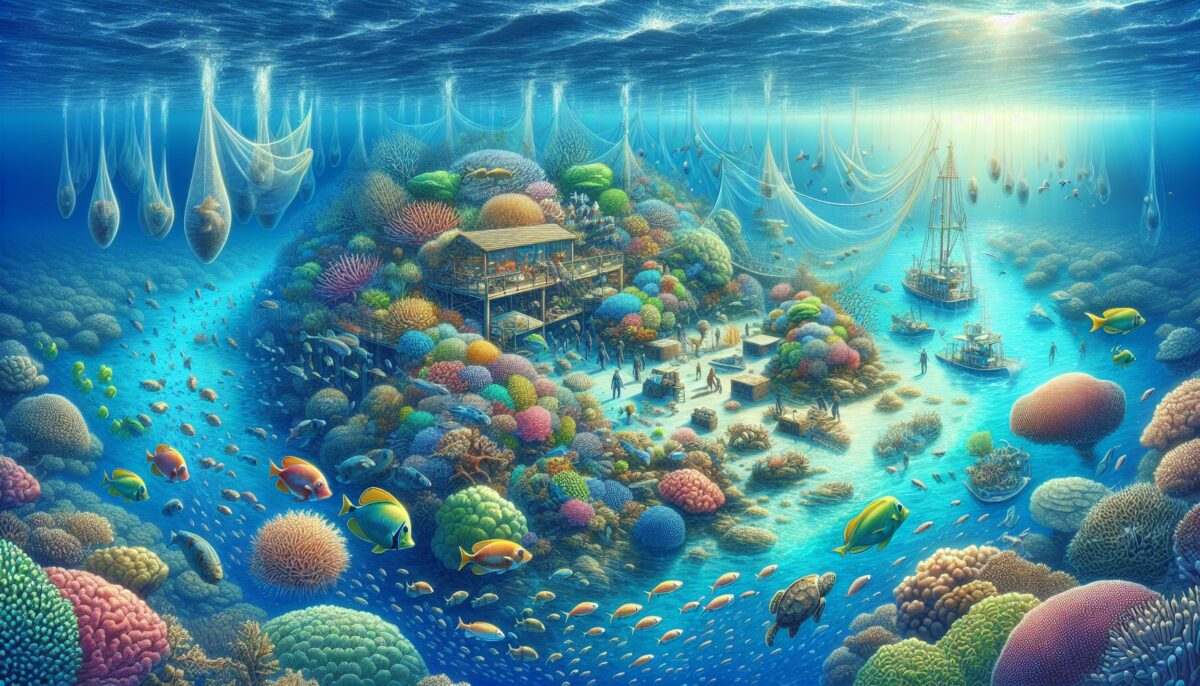
Practicing sustainable fishing and developing responsible aquaculture reduces pressure on wild fish populations and coral reefs. These practices can help ensure long-term food security and reef health.
Pollution Control
Effective waste management and runoff controls are critical for protecting coral reefs from land-based pollution. Policies and education focused on reducing plastic use and improving agricultural practices can go a long way.
Climate Action
Reducing greenhouse gas emissions is perhaps the most crucial step towards protecting coral reefs from the devastating effects of climate change. Global efforts like the Paris Agreement aim to limit temperature increases and mitigate potential damage.
The Future of Coral Reefs in the Blue Economy
To sustainably harness the benefits of coral reefs, integrating reef conservation into the blue economy is essential. This integration involves balancing economic growth with the need to preserve marine ecosystems for future generations.
Ecotourism
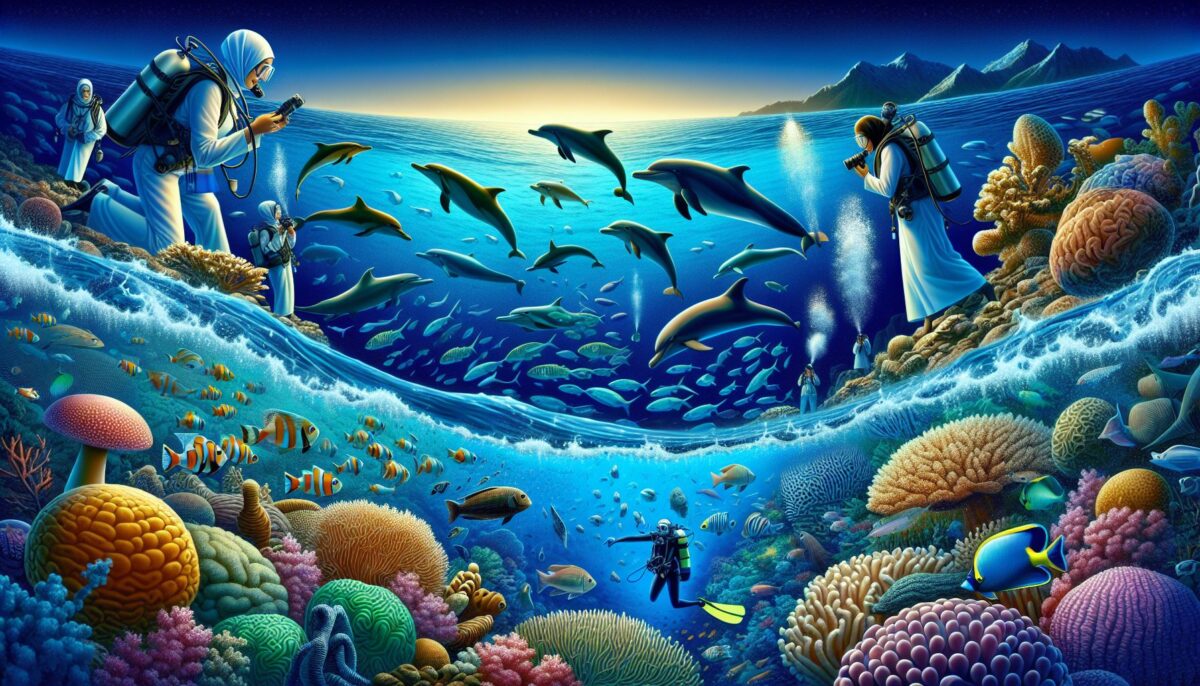
Coral reefs attract millions of divers and snorkelers each year. By promoting responsible ecotourism, communities can generate income while raising awareness about the importance of reef conservation.
Blue Carbon
Coral reefs, along with mangroves and seagrasses, play a role in sequestering carbon. Recognizing their value as “blue carbon” sinks can help motivate increased protection efforts.
Innovative Financing
Financing conservation can be a challenge, but innovative approaches like blue bonds, debt-for-nature swaps, and crowdfunding can provide the necessary funds for protecting and restoring reefs.
Science and Research
Ongoing research on coral adaptability and resilience informs better conservation strategies. Understanding how corals respond to environmental changes is crucial for their preservation.
Community Engagement
Involving local communities in reef management ensures that conservation measures are culturally relevant and economically beneficial. Empowering communities to take ownership of their natural resources leads to more effective and sustainable conservation outcomes.
Conclusion
The survival of coral reefs is vital not only for marine biodiversity but for human societies as well. With continued efforts in conservation, responsible management, and international collaboration, we can secure the future of these colorful + ecosystems and their contributions to the blue economy.
Protecting coral reefs is not just an environmental issue – it’s an economic imperative and a crucial challenge for humanity. As ocean stewards, it is our collective responsibility to ensure that coral reefs continue to thrive for generations to come.