Category: Main (page 21 of 31)

Understanding and Protecting Marine Biodiversity: A Dive into the Richness of Ocean Life

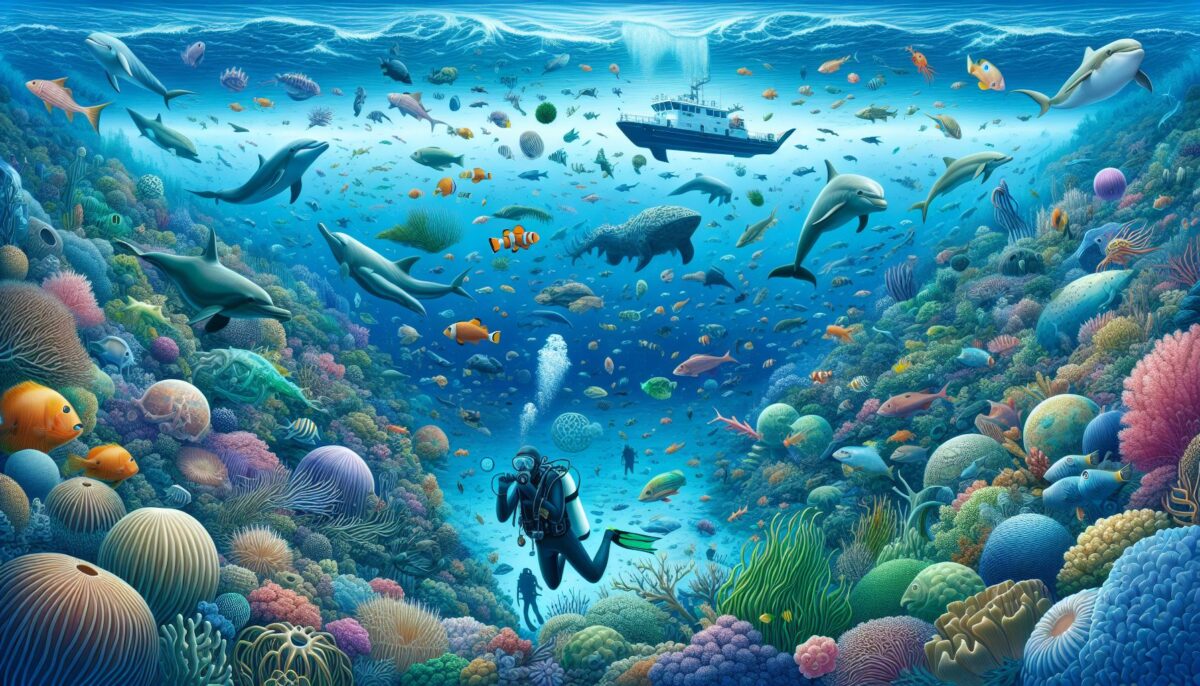
The planet Earth is often referred to as the ‘blue planet’ due to the vastness of oceans that cover approximately 71 percent of its surface. Beneath the seemingly endless expanse of blue water lies an incredibly diverse world of marine life, from microscopic plankton to the majestic blue whale. Marine biodiversity is the variety of life in the ocean, including the different species of plants, animals, and microorganisms, the genes they contain, and the ecosystems they form. Unfortunately, this vital component of the Earth’s natural heritage is under threat due to human activities. This comprehensive overview of marine biodiversity will explore its importance, the threats it faces, and the steps we can take to protect it.

The Spectrum of Marine Life

Marine biodiversity is not evenly distributed throughout the ocean. It varies from place to place, influenced by factors like temperature, salinity, depth, and the availability of light and nutrients. Some of the most biodiverse regions in the ocean include tropical coral reefs, deep-sea hydrothermal vents, and cold-water seamounts.

Coral Reefs

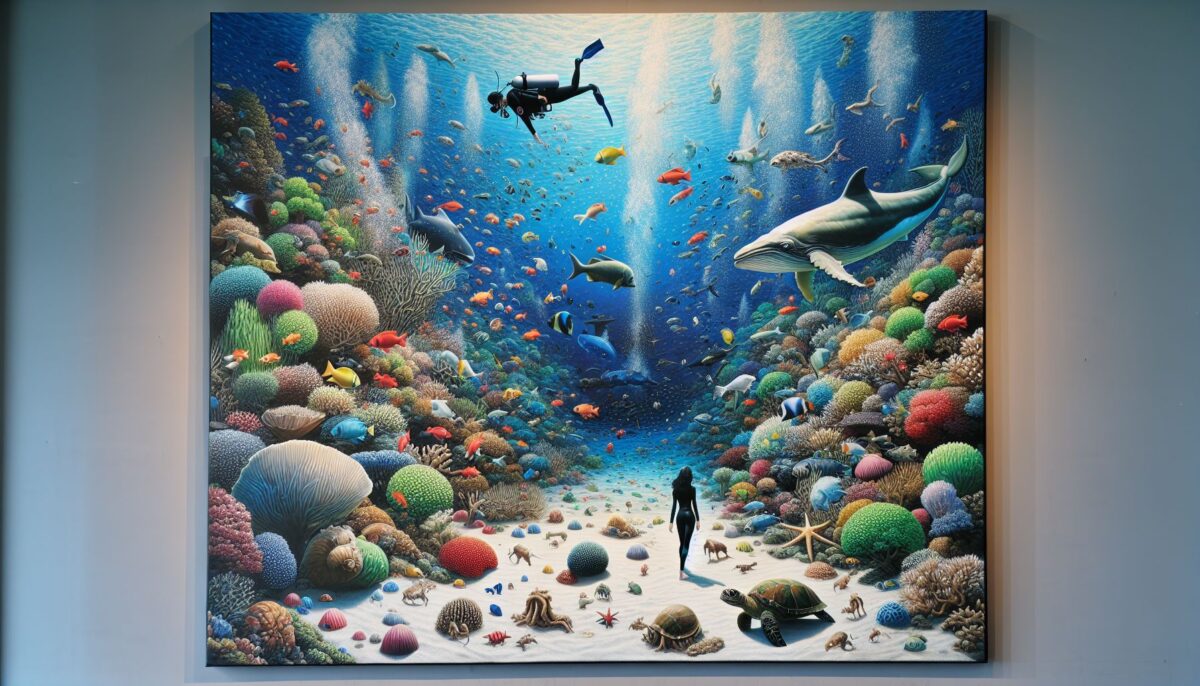
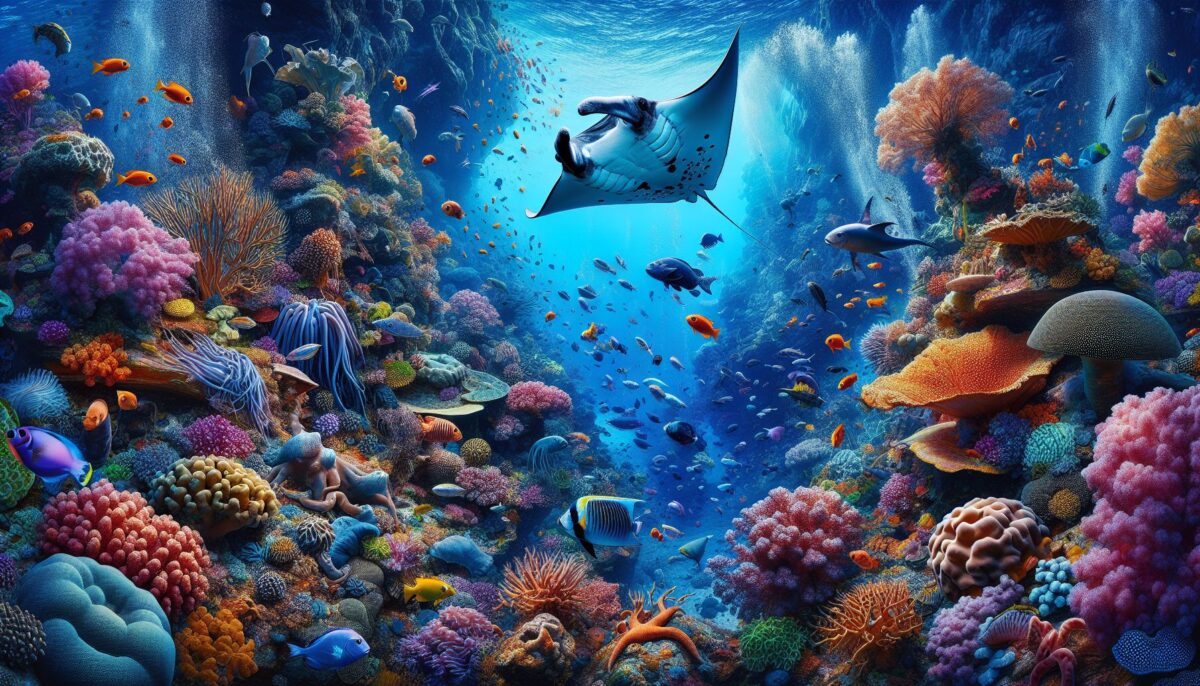
Coral reefs are often referred to as the rainforests of the sea due to their incredible diversity. These vibrant underwater ecosystems are built by colonies of tiny animals known as coral polyps. The Great Barrier Reef in Australia, the largest coral reef system on the planet, spans over 2,300 kilometers and is home to thousands of different species of fish, sponges, and mollusks.

Hydrothermal Vents

In the deep ocean, hydrothermal vents create an environment so unique that the creatures found here cannot survive anywhere else on Earth. These ecosystems thrive in complete darkness, relying not on photosynthesis but on chemosynthesis, a process where bacteria convert chemicals like hydrogen sulfide emitted by the vents into energy.

Seamounts

Seamounts are underwater mountains, formed by volcanic activity. Though many remain unexplored, we know that they are biodiversity hotspots. They often serve as feeding and breeding grounds for a variety of marine species, including some endangered whales.

The Importance of Marine Biodiversity

The biodiversity of the ocean plays a critical role in maintaining global ecological balance. Here are a few reasons why marine biodiversity is so important:
Food Security: The ocean is a source of food for billions of people around the world.
Economic Value: Marine biodiversity is the cornerstone of industries such as fishing, tourism, and pharmaceuticals.
Climate Regulation: Marine ecosystems like mangroves and seagrass beds capture carbon dioxide from the atmosphere, helping to mitigate climate change.
Medicinal Resources: Many marine organisms are used to develop new medicines to treat diseases such as cancer and Alzheimer’s.

Threats to Marine Biodiversity

Despite its importance, marine biodiversity faces numerous threats, primarily from human activities. Some of these include:

Overfishing

Overfishing is one of the most significant threats to marine biodiversity. The unsustainable harvest of fish species at a rate faster than they can reproduce leads to a depletion of populations, which can have knock-on effects throughout the food web.

Habitat Destruction

Coastal development, bottom trawling, coral mining, and other activities can destroy marine habitats, leaving marine species without places to live, feed, and reproduce.

Pollution

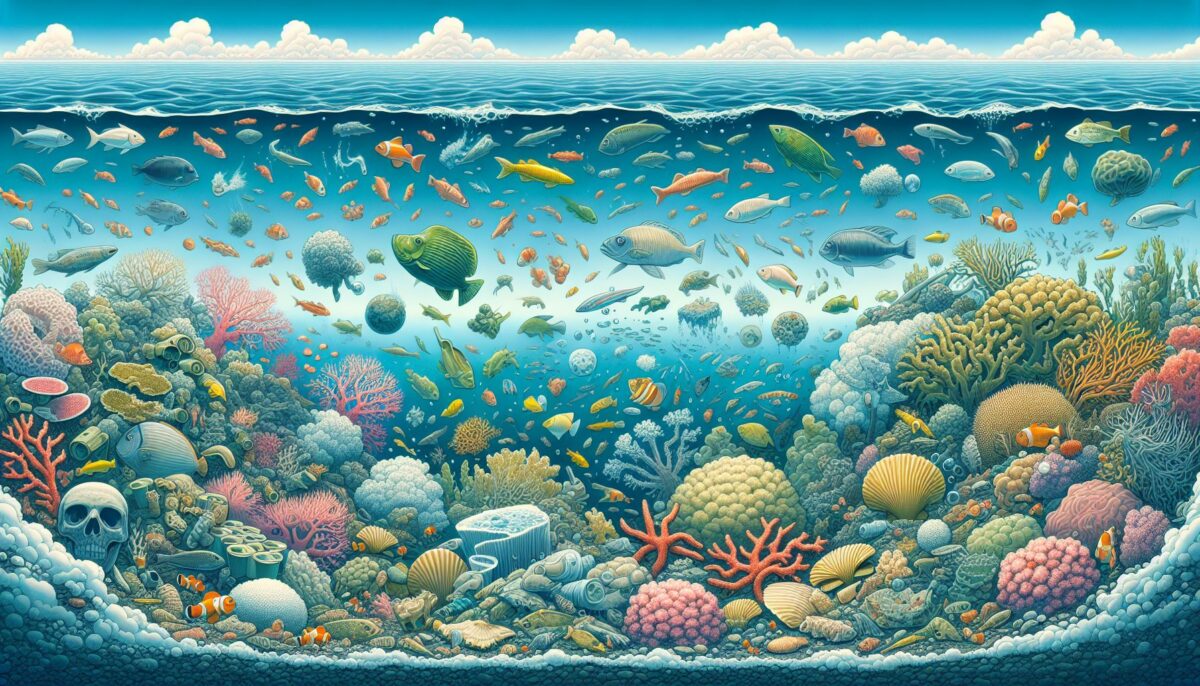
Marine pollution, including oil spills, plastic debris, and agricultural runoff, can poison marine life and degrade habitats. Plastic, in particular, can entangle animals or be ingested, often with lethal consequences.

Climate Change and Ocean Acidification

Rising ocean temperatures due to climate change can lead to coral bleaching, where coral expel the symbiotic algae that give them color and provide them with food. Additionally, increased levels of CO2 in the atmosphere lead to ocean acidification, which can reduce the ability of shellfish and coral to build their calcium carbonate shells and skeletons.

Invasive Species

Non-native species introduced to new areas by human activities can outcompete, prey on, or bring diseases to native species, disrupting local ecosystems.

Conservation and Management

Conserving marine biodiversity requires a multifaceted approach. Here are some strategies:

Marine Protected Areas (MPAs)

Establishing MPAs can help conserve marine biodiversity by restricting activities that harm marine life. These protected areas can vary greatly in their objectives and the level of protection they offer.

Sustainable Fishing Practices

Implementing sustainable fishing practices and quotas can help ensure that fisheries do not take more than what can naturally be replenished.

Pollution Prevention and Cleanup

Reducing marine pollution involves improving waste management on land, cleaning up spills and debris, and implementing stricter regulations on pollutants.

Addressing Climate Change

Efforts to combat climate change, such as reducing greenhouse gas emissions and promoting renewable energy, are crucial for protecting marine biodiversity.

Public Education and Awareness

Educating the public about the importance of marine biodiversity and ways to protect it can lead to changes in behavior and increased support for conservation measures.

The Science Behind Marine Biodiversity: Oceanography and Marine Biology

To effectively protect marine biodiversity, we must understand it. Oceanography, the study of the physical and biological aspects of the ocean, and marine biology, which focuses on the organisms that live in marine environments, provide essential insights into marine ecosystems’ functioning.

Research and Monitoring

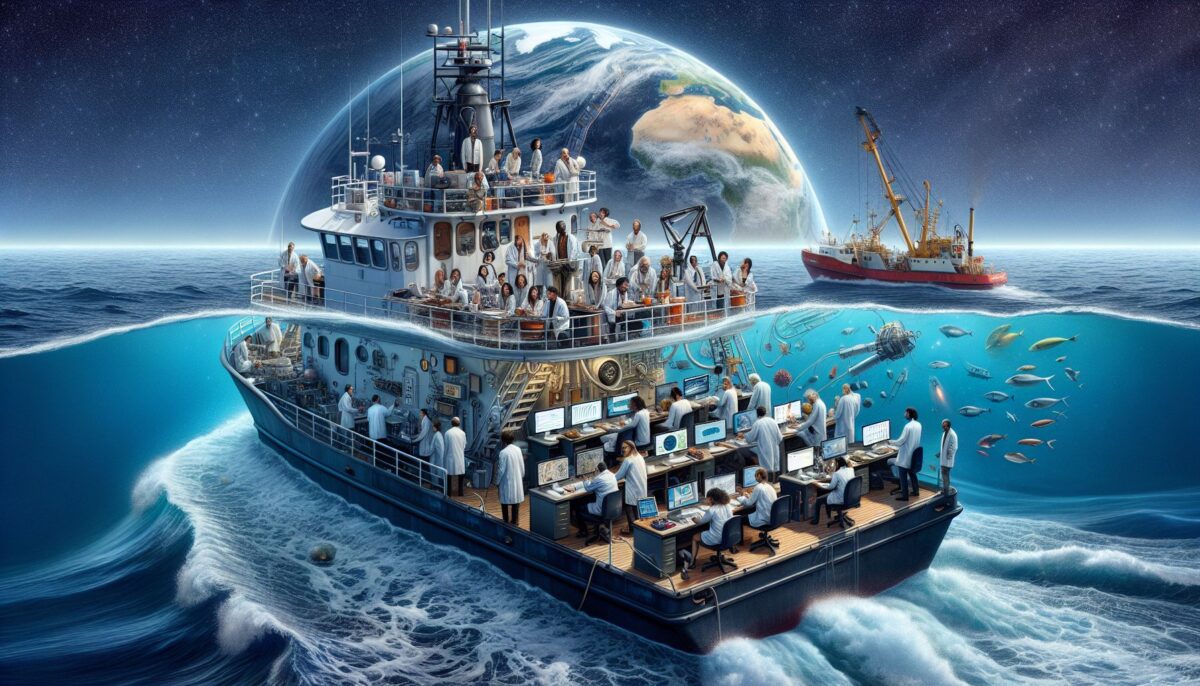
Scientists conduct research and monitoring to document the state of marine biodiversity and detect changes over time. This information is crucial for informing conservation and management decisions.
Marine Surveys: Surveys help to identify and catalogue species, map habitats, and understand the structure of marine communities.
Tagging and Tracking: Tagging animals like sharks, turtles, and whales can provide data on migration patterns and habitat use.
Genetic Studies: Analyzing the genetic diversity of marine species can help to assess their resilience to environmental changes and pressures.

Technology and Innovation

Advancements in technology are opening up new possibilities for exploring and monitoring the ocean.
Remote Sensing: Satellites and drones can collect data on large-scale oceanographic processes and changes in marine habitats.
Underwater Robotics: Autonomous underwater vehicles (AUVs) and remotely operated vehicles (ROVs) enable scientists to explore deep-sea environments that are difficult or dangerous to reach by humans.
Environmental DNA (eDNA): Collecting and analyzing eDNA – genetic material left behind by organisms in the environment – provides a non-invasive way to assess marine biodiversity.

Global Cooperation

Because the ocean has no boundaries, preserving marine biodiversity is a global responsibility. International agreements like the United Nations Convention on the Law of the Sea (UNCLOS) and the Convention on Biological Diversity (CBD) provide frameworks for international cooperation on marine environmental issues.

The Future of Marine Biodiversity

With continued research, increased awareness, and concerted global efforts, there is hope for the future of marine biodiversity. Innovation in conservation, such as the development of artificial reefs and restoration projects, offer creative solutions to some of the challenges faced by marine ecosystems.

Conclusion

The richness of life beneath the waves is not only a natural wonder but also supports human life in numerous ways. Protecting marine biodiversity is not simply an act of conservation; it’s an investment in our future – a commitment to preserving the health of our
Navigating the Future: The Role of Hydrography in Global Maritime Trade and Safety

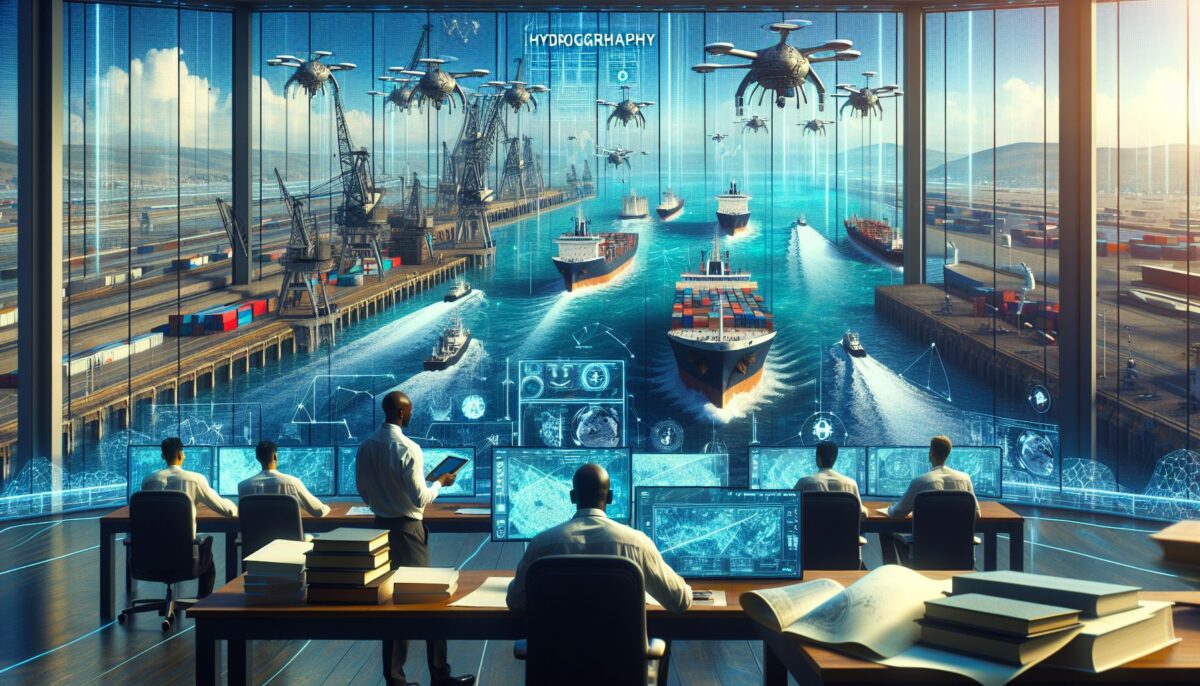
Maritime trade is the lifeblood of the global economy, with over 90% of the world’s trade carried by sea. From the food we eat to the clothes we wear and the technology we depend on, much of it has traveled across oceans. But ensuring safe and efficient sea navigation and transport is a mammoth task that relies heavily on a lesser-known yet crucial science—hydrography. In this article, I will delve into what hydrography is, its role in maritime trade and navigation, the challenges it addresses in the realm of shipping and port management, and its significance in preserving the marine environment.

What is Hydrography?

Hydrography is the science of surveying and charting bodies of water. It involves measuring and describing the physical features of oceans, seas, and coastal areas to create nautical charts and maps that guide maritime navigation. Beyond that, hydrography also entails the prediction of tides and currents, the study of seabed composition, and the distribution of sea life.

Maritime trade and navigational safety are dependent on accurate hydrographic data, which enables ships to navigate safely while minimizing the risk of running aground or colliding with submerged hazards. Let’s explore how hydrography impacts various aspects of maritime operations.

Hydrography and Maritime Trade

In a rapidly globalizing economy, efficiency in maritime trade is paramount. Efficient routes save time and fuel, which translates not only to economic savings but also to reduced environmental impact. Hydrographic information enables shipmasters and navigators to determine the safest and most efficient shipping routes, taking into account the following factors:

1. Underwater Topography and Safe Passage

The seafloor is filled with features such as ridges, valleys, and mountains that mirror those on land. Hydrography provides critical information about these underwater landscapes, ensuring vessels can avoid dangerous areas and utilize deepwater routes effectively.

2. Tides and Currents

Understanding the effects of tides and currents is essential for entering and leaving ports as well as traversing narrow straits. Hydrographic data informs the timings of such operations, often making the difference between a safe journey and a potential maritime disaster.

3. Port and Harbor Management

Ports and harbors are central to maritime trade. Hydrographic surveys facilitate the design, construction, and maintenance of ports and harbors, contributing to improvements in efficiency and safety for cargo operations.

4. Shipping Efficiency and Fuel Consumption

The shortest distance between two ports may not always be the safest or the most fuel-efficient. Hydrographic data helps to identify routes that avoid heavy weather, reduce fuel consumption, and minimize greenhouse gas emissions.

Navigational Safety and Challenges

The importance of navigational safety cannot be overstated. The maritime industry faces numerous challenges where hydrography plays a critical intervention role:

1. Collision Avoidance

Ships need to be aware of navigational hazards such as sunken ships, reefs, or icebergs. Hydrographic surveys identify such hazards and are integral to updating navigational charts used by mariners worldwide.

2. Search and Rescue Operations

When disaster strikes at sea, hydrographic data support search and rescue efforts by providing precise information on water depths and underwater hazards, enabling responders to navigate rescue vessels safely.

3. Underwater Infrastructure

Submarine cables and pipelines are essential components of global communication and energy networks. Hydrography ensures their precise placement and ongoing protection.

4. Iceberg Tracking

In polar regions, icebergs pose a significant risk to shipping. Hydrographic techniques such as aerial surveys and satellite imagery help monitor iceberg movements to alert ships to potential dangers.

Hydrography’s Role in Environmental Preservation

Hydrography also plays a critical role in environmental conservation efforts:

1. Marine Protected Areas

Identifying and monitoring Marine Protected Areas (MPAs) require accurate hydrographic surveys. These areas are critical for preserving marine biodiversity and require precise boundary delineation to enforce protective regulations.

2. Understanding Marine Habitats

Hydrographic surveys help scientists understand the topography and nature of different marine habitats, which is important for the protection of endangered species and ecosystems.

3. Oil Spill Response

In the event of an oil spill, hydrographic data is used to predict the spread of oil, informing cleanup operations and minimizing environmental impact.

4. Climate Change Studies

Hydrographic surveys contribute to our knowledge of rising sea levels and ocean acidification, critical factors in climate change research.

The Future of Hydrography

With advancements in technology, hydrography continues to evolve:

1. Autonomous Underwater Vehicles (AUVs)

AUVs allow for more detailed and cost-effective seabed mapping, increasing the frequency and accuracy of hydrographic data.

2. Satellite-Derived Bathymetry

Satellites can now be used to derive bathymetric (depth) data in certain conditions, revolutionizing the way we map the oceans.

3. Big Data and Machine Learning

The future of hydrography lies in leveraging big data analytics and machine learning to improve predictive modelling of oceanographic features such as currents and tides.

4. International Collaboration

Organizations such as the International Hydrographic Organization (IHO) facilitate collaboration among countries to standardize hydrographic practices and disseminate vital information for global maritime safety.

Conclusion

Hydrography is an invisible force that underpins maritime trade and navigation yet plays a visible role in ensuring the smooth flow of commerce and the protection of our marine environments. From guiding the largest container ships to aiding in oceanic research, the accurate and detailed information provided by hydrographic surveys is indispensable.

As technology advances and the world’s reliance on maritime trade continues to grow, the importance of hydrography will only increase. The challenge lies in maintaining high standards of data accuracy and accessibility while fostering international collaboration to address the ever-evolving demands of global maritime dynamics.

Sources

  1. International Hydrographic Organization (IHO) – iho.int
  2. National Ocean Service, NOAA – oceanservice.noaa.gov
  3. The Nippon Foundation-GEBCO Seabed 2030 Project – seabed2030.gebco.net

(The above article is a crafted representation of a long-form blog post on hydrography, bringing together an understanding of its importance in maritime trade, navigation, and environmental conservation.)

Unveiling the Blue Economy: Sustaining Our Oceans, Empowering Our Future

The “Blue Economy” is a term that has gained considerable traction over the past decade. It refers to the sustainable use of ocean resources for economic growth, improved livelihoods, and jobs while preserving the health of ocean ecosystems. From aquaculture and fisheries to coastal tourism, marine biotechnology, and beyond, the blue economy encompasses a wide spectrum of activities and opportunities. In this article, we’ll delve into the significance of the blue economy, explore its main components, and discuss the challenges and opportunities it presents.

Understanding the Blue Economy

The concept of the blue economy is rooted in the understanding that the oceans are key drivers of the global economy. Covering over 70% of the Earth’s surface, the ocean is integral to transportation, trade, and resource extraction, and is a crucial source of food, energy, and minerals. Additionally, oceans are vital for climate regulation and are home to diverse ecosystems that are important both ecologically and economically.

The blue economy promotes economic growth, social inclusion, and the preservation or improvement of livelihoods while at the same time ensuring the environmental sustainability of oceans and coastal areas. It encompasses various sectors such as:

  • Sustainable Marine Resource Extraction: Including responsible fishing, aquaculture, and extraction of non-living resources while ensuring that these activities do not compromise the ecosystem.
  • Marine Renewable Energy: Capture of renewable energy from the ocean’s waves, tides, and winds.
  • Shipping and Port Activities: Efficient and environmentally-friendly transport and logistical operations.
  • Tourism: Coastal and marine tourism that maintains the integrity of the environment.
  • Waste Management and Recycling: Strategies to reduce marine pollution, including better waste management on land.
  • Climate Change Mitigation and Adaptation: Actions to reduce emissions and to adapt to the impacts of climate change on coastal and marine environments.

Each component of the blue economy comes with its set of challenges and opportunities, which we will discuss in the following sections.

Main Components of the Blue Economy

Fisheries and Aquaculture

Fisheries and aquaculture form a crucial part of the blue economy and are central to food security and nutrition. With the world’s population projected to reach 9.7 billion by 2050, a significant increase in the demand for seafood is anticipated. Sustainable fishing practices and innovative aquaculture solutions are necessary to meet this demand without depleting fish stocks or harming marine habitats.

Marine Renewable Energy

Oceans offer a vast, untapped potential for renewable energy. Technologies that harness wave and tidal energy are being developed and slowly commercialised, offering a clean alternative to fossil fuels. While marine renewable energy is in its nascent stages, investment in research and development could see this sector become a sizable component of the blue economy.

Shipping and Port Infrastructure

Shipping remains the most efficient way to move goods around the world. As a result, ports are critical nodes in the global trade network. Investments in greener shipping methods and port infrastructure are essential to reduce environmental impacts, improve efficiency and support the growth of maritime trade in a sustainable manner.

Coastal Tourism

With beautiful beaches, vibrant coral reefs, and diverse marine life, coastal and marine tourism are significant contributors to the blue economy. Ensuring this is done sustainably means protecting natural habitats, respecting local cultures, and investing in the wellbeing of local communities.

Marine Biodiversity and Conservation

Marine protected areas (MPAs) are a cornerstone of marine conservation efforts. They help safeguard marine biodiversity and can generate economic benefits through tourism and recreation. Effective management and strict enforcement of regulations within MPAs are crucial.

Challenges and Opportunities

Environmental Sustainability

One of the primary challenges in the development of the blue economy is ensuring that economic benefits do not come at the expense of the marine environment. Practices like overfishing, habitat destruction, and pollution must be addressed. Sustainability requires a balance that supports both the environment and economic growth.

Climate Change

Climate change poses a significant threat to ocean health and coastal communities. Rising sea levels, ocean acidification, and increasing temperatures impact fisheries, coral reefs, and marine biodiversity, which can, in turn, affect livelihoods and food security. Adapting to these changes while mitigating further damage is a complex, urgent task.

Technological Innovation

Utilizing and protecting our oceans will demand innovative technologies and practices. From advancements in sustainable fishing gear and techniques to renewable energy, new inventions and practices have the potential to revolutionize the blue economy sectors.

Policy and Governance

Developing an effective regulatory framework that can manage the needs of diverse stakeholders is fundamental for the success of the blue economy. This includes national policies and international agreements that ensure sustainable practices are adopted and enforced across borders.

Conclusion

The blue of the ocean holds a spectrum of economic potential. Embracing the blue economy model is not just beneficial for the environment but also essential for the continued prosperity of economies worldwide. However, realizing this potential will require coordinated effort from governments, industries, NGOs, and communities. It is about striking a delicate balance between utilization and conservation, ensuring that our actions today do not compromise the ability of future generations to enjoy and benefit from our shared ocean resources.

For nations looking to develop their blue economy, best practices include investing in science and research, fostering innovation, building resilient infrastructure, strengthening governance and regulatory frameworks, and promoting international cooperation. By doing so, we can unlock the true potential of our oceans and herald in an era of sustainable economic development that respects and preserves the incredible diversity and productivity of marine environments.

Sources

  1. The World Bank. (n.d.). The potential of the blue economy: increasing long-term benefits of the sustainable use of marine resources for small island developing states and coastal least developed countries. http://documents.worldbank.org/curated/en/947831468188670330/pdf/106505-REVISED-v2-PUBLIC-Box394854B-Prosperity-Blue-Economy-Web.pdf
  2. United Nations Development Programme. (n.d.). Ocean and sustainable development. https://www.undp.org/sustainable-development-goals#ocean
  3. Food and Agriculture Organization of the United Nations. (n.d.). Blue Growth Initiative. http://www.fao.org/blue-growth/en/

The Majesty of Marine Biodiversity: Earth’s Underwater Treasure Trove

Earth’s oceans are vast repositories of wonder, a mesmerizing blend of life and elemental forces that shape our world in profound ways. Among these marvels, the rich tapestry of marine biodiversity stands out as a true spectacle of nature’s variety. From the smallest phytoplankton to the largest whales, the oceans harbor a staggering array of life forms, each intricately linked to the other in the complex web of marine ecosystems.

Marine biodiversity is not just a biological phenomenon; it is also of immense ecological, economic, social, and scientific value. In this deep dive into marine biodiversity, we will explore the incredible diversity of life beneath the waves, the threats it faces, and the steps being taken to preserve this invaluable asset for future generations.

The Wonder of Marine Life

No conversation about marine biodiversity can begin without acknowledging the sheer scale and diversity of life it encompasses. Species in the ocean range from microscopic bacteria to the blue whale, the largest animal that has ever lived on our planet. Life in the ocean has adapted to an incredible variety of habitats, from the sunlit surface waters to the dark depths of the ocean trenches.

A Symphony of Species: Understanding the Variety

Ocean environments are home to an estimated 300,000 known species, with scientists suspecting that many more remain undiscovered [1]. Some of the major groups of marine life include:

  • Phytoplankton: These microscopic organisms are the foundation of the marine food web, producing half of the Earth’s oxygen through photosynthesis.
  • Zooplankton: Tiny drifting animals that feed on phytoplankton and, in turn, are prey for larger species.
  • Invertebrates: A diverse group including animals like corals, sponges, jellyfish, and mollusks.
  • Fishes: Over 30,000 known species, from the tiny clownfish to the massive whale shark.
  • Marine Mammals: Creatures like dolphins, seals, and whales that have adapted to life in the ocean.
  • Marine Reptiles: Species such as sea turtles and marine iguanas.
  • Seabirds: Birds that have evolved to live and forage at sea, including penguins and albatrosses.

Habitats: From Shores to the Abyss

Marine biodiversity thrives in a plethora of distinct habitats, each with its unique characteristics and resident species:

  • Coral Reefs: Often described as the rainforests of the sea, coral reefs are hotspots of biodiversity.
  • Kelp Forests: Underwater ecosystems dominated by towering kelp, a type of seaweed.
  • Deep Sea Vents: Extreme environments where life thrives without sunlight, relying on chemosynthesis.
  • Open Ocean: The vast pelagic zone that makes up the majority of the ocean’s surface area.
  • Coastal Ecosystems: Including mangroves, estuaries, and salt marshes, which are crucial for juvenile fish.

The Plight of Marine Life

Despite its grandeur, marine life faces unprecedented threats from human activities. Some of the most pressing concerns include:

Overfishing: Emptying the Ocean

Overfishing occurs when fish and other marine species are caught at a rate faster than they can reproduce, leading to population declines. This not only threatens individual species but can destabilize entire marine ecosystems [2].

Habitat Destruction: Eroding the Foundations of Life

Coastal development, pollution, and destructive fishing practices like trawling decimate critical habitats, leaving marine species homeless and vulnerable.

Climate Change: An Uncertain Future

Rising sea temperatures, ocean acidification, and changing currents due to climate change have far-reaching effects on marine life. Species may become extinct, or be forced to migrate to new areas, disrupting the balance of ecosystems.

Pollution: Choking the Oceans

The oceans are the final destination for much of the world’s waste, from plastic pollution to toxic chemical runoff. These pollutants can entangle animals, poison food chains, and despoil habitats.

Invasive Species: Uninvited Guests

Invasive species, often transported by ships, can outcompete, prey upon, or bring diseases to native marine species, causing significant ecological and economic damages.

Preserving Our Marine Heritage: Conservation Efforts

With the stakes so high, concerted efforts are being made to conserve and protect marine biodiversity.

Marine Protected Areas (MPAs): Safe Havens for Marine Life

MPAs are regions where human activities are managed to protect important marine ecosystems. They can help preserve biodiversity, replenish fish stocks, and enhance resilience to climate change [3].

Sustainable Fisheries: Harvesting with Care

Sustainable fishing practices aim to ensure that fish populations remain healthy, ecosystems are preserved, and fishing communities continue to thrive.

Habitat Restoration: Healing Wounded Ecosystems

Efforts to restore habitats like coral reefs and mangroves are essential to provide shelter and breeding grounds for marine species.

Combating Climate Change: A Global Effort

International agreements like the Paris Agreement seek to limit global temperature rise, which would have numerous benefits for marine life.

Pollution Control: Cleaning Our Oceans

Initiatives like beach clean-ups and policies to reduce plastic consumption tackle the scourge of pollution.

Research and Education: Spreading Awareness

Studying the oceans and teaching the public about the importance of marine biodiversity is crucial for fostering a sense of stewardship for this precious resource.

The Road Ahead: Challenges and Opportunities

Protecting marine biodiversity is an ongoing challenge that demands global action. Climate change, pollution, and unsustainable practices continue to put pressure on our oceans. Nonetheless, opportunities for positive change exist. Innovations in technology, increased environmental awareness, and stronger international policies can aid in the preservation of marine ecosystems. It’s imperative that individuals, governments, and organizations work collaboratively and decisively to ensure that the marvels of marine life endure for generations to come.

Conclusion

Marine biodiversity is one of Earth’s greatest treasures, a vibrant and essential component of our planet’s ecological health, as well as a remarkable testament to nature’s ingenuity. As we continue to grapple with the pressures we’ve placed on the oceans, it is more crucial than ever to acknowledge our responsibility to safeguard this underwater world. After all, the fate of marine biodiversity is inexorably linked to our own—a healthy ocean means a healthy planet.

Sources

  1. Costello, M. J., et al. (2012). “Marine Biodiversity in the Atlantic and Pacific Coasts of South America: Knowledge and Gaps.” PLOS ONE, 7(1): e14631. DOI:10.1371/journal.pone.0030091
  2. Pauly, D., & Zeller, D. (2016). “Caught in the Net: The Global Tuna Industry, Environmentalism, and the State.” UNC Press Books.
  3. “Marine Protected Areas.” NOAA. Retrieved from NOAA Marine Protected Areas.

By understanding and honoring the complexity of

The Rising Tide of Change: Oceanography’s Role in Understanding Our Blue Planet

The depths of the ocean are filled with mysteries that have captivated humanity for centuries. The vast and enigmatic body of water holds keys to understanding Earth’s past, present, and future. At the core of deciphering these secrets is the science of oceanography, a fascinating field that integrates various disciplines to explore the ocean’s physical, chemical, biological, and geological properties. In this in-depth article, we will dive into the world of oceanography, uncovering its importance, the challenges it faces such as sea-level rise and marine pollution, and its role in the blue economy.

What is Oceanography?

Oceanography is the study of the physical, chemical, biological, and geological aspects of the ocean. It is an interdisciplinary science that draws upon methods from ecology, meteorology, geology, physics, and chemistry to understand the intricate processes within marine environments. Oceanographers are scientists dedicated to researching everything from vast ocean currents to microscopic marine life, aiming to reveal the dynamic systems that govern our oceans.

The Four Branches of Oceanography:

  1. Physical Oceanography focuses on the properties of seawater, ocean currents, waves, and the interactions between the ocean and the atmosphere.
  2. Chemical Oceanography studies the chemical composition of seawater and the biogeochemical cycles within marine environments.
  3. Biological Oceanography or marine biology investigates the life forms that inhabit the ocean and their ecological interactions.
  4. Geological Oceanography examines the structure and composition of the ocean floor, including plate tectonics and sedimentology.

Challenges in Oceanography

Sea-Level Rise

One of the most pressing challenges studied by oceanographers is the rising sea level caused by climate change. As temperatures rise globally, polar ice caps and glaciers melt, contributing to higher sea levels. Additionally, the warming of ocean water leads to thermal expansion, further elevating the sea level. Areas at risk of flooding due to sea-level rise include coastal cities, island nations, and ecosystems like mangroves and coral reefs. Predicting and mitigating against the impacts of sea-level rise are essential duties of oceanographers and coastal managers (source).

Marine Pollution and Oil Spills

Another significant issue is marine pollution, which includes contaminants such as plastics, hazardous chemicals, and oil. Oceanographers study the distribution and effects of these pollutants to better understand their detrimental impacts on marine life and ecosystems. Oil spills, in particular, have devastating and long-lasting effects on the marine environment — affecting water quality, marine species, and coastal habitats (source).

Ocean Acidification and Coral Bleaching

Ocean acidification, caused by increased levels of carbon dioxide absorbed by the ocean, is a chemical change that has far-reaching implications for marine biodiversity. It can weaken coral skeletons, leading to coral bleaching and the potential collapse of reef ecosystems, which are hotspots of marine biodiversity and vital for coastal protection (source).

The Role of Oceanography in the Blue Economy

The blue economy refers to the sustainable use of ocean resources for economic growth, improved livelihoods, and jobs while preserving the health of ocean ecosystems. Oceanography contributes critical knowledge that underpins the blue economy by:

  • Providing data for sustainable fisheries and aquaculture practices.
  • Informing maritime trade and navigation for efficient and safe shipping.
  • Facilitate the development of renewable tidal and wave energy technologies.
  • Assisting in coastal management and marine protected area designation.

Sustainable Fisheries and Aquaculture

Through the study of marine life and ecosystems, oceanography guides the management of fisheries to prevent overfishing and support ecosystem health. Similarly, aquaculture, the farming of aquatic organisms such as fish and shellfish, relies on the expertise of oceanographers to find suitable locations and maintain optimal conditions (source).

Navigation and Shipping

Physical oceanographers play a crucial role in ensuring safe maritime navigation by mapping out currents, tides, and other marine hazards. Shipping routes are optimized based on these factors, leading to reduced fuel consumption and decreased emissions, benefiting both the economy and the environment.

Tidal and Wave Energy

The kinetic energy of ocean tides and waves is a promising renewable energy source. Oceanographers study wave patterns and tidal cycles to identify potential sites for generating tidal and wave energy, contributing to the diversification of clean energy sources and the reduction of reliance on fossil fuels (source).

Coastal Management and Marine Protected Areas

Coastal zones are often heavily populated and economically significant but are also vulnerable to natural disasters and human impacts. Oceanographers inform coastal management through research on coastal processes like erosion and sediment deposition, which can influence decisions on construction, tourism, and conservation. Marine protected areas (MPAs) are designated based on scientific insight into the habitats and species that require protection to maintain biodiversity and ecosystem services.

The Future of Oceanography

The ever-evolving field of oceanography is vital in addressing the plethora of challenges that our oceans face. Technological advancements provide oceanographers with tools like autonomous underwater vehicles (AUVs), sophisticated sensor networks, and satellite imagery to collect and interpret data with unprecedented resolution and scale.

Investing in oceanographic research is not just a pursuit of knowledge but an essential step towards a sustainable future where humans live in harmony with the oceans. From managing the impacts of climate change to unlocking the potential of the blue economy, the role of oceanography is undeniably significant.

In conclusion, oceanography is a beacon of hope and guidance in our quest to understand and preserve the vast and vibrant world beneath the waves. By continuously exploring and cherishing our blue planet, we ensure the protection of resources that sustain life on Earth and nurture the well-being of future generations.

The Silent Crisis Beneath the Waves: Ocean Acidification and its Impact on Marine Life

The ocean covers about 71% of the Earth’s surface and serves as a fundamental anchor to many aspects of life on our planet. It regulates the climate, provides a substantial portion of the oxygen we breathe, and offers a rich source of biodiversity and resources. Yet, this vast expanse of blue is facing a silent crisis, one that is less visible but equally troubling as the more publicized issues of climate change and plastic pollution. The culprit is ocean acidification.

What is Ocean Acidification?

Ocean acidification refers to the ongoing decrease in the pH levels of the Earth’s oceans, caused primarily by the uptake of carbon dioxide (CO2) from the atmosphere. As atmospheric CO2 levels rise due to human activities like burning fossil fuels and deforestation, the oceans absorb a significant portion of this gas. When CO2 dissolves in seawater, it forms carbonic acid, which lowers the pH of the water.

Why is Ocean Acidification a Concern?

The impacts of ocean acidification are broad and deeply concerning, affecting marine ecosystems, biodiversity, and human industry and societies by extension.

Affecting Marine Life

Marine organisms, particularly those that build shells and skeletons from calcium carbonate, like corals, oysters, clams, sea urchins, plankton, and certain species of algae, are especially vulnerable to acidifying oceans. These organisms need a stable pH to effectively extract the carbonate ions from seawater. Acidified conditions erode their ability to maintain and build these structures, imperiling their survival.

Threatening Coral Reefs

Coral reefs, often referred to as the “rainforests of the sea,” are among the most vibrant ecosystems on Earth. Beyond their immense biodiversity, corals protect coastlines from storms, support fishing industries, and contribute to local economies through tourism. However, when faced with more acidic waters, the growth rates of reef-building corals slow down, and existing reef structures can begin to dissolve, leading to coral bleaching and the collapse of reef ecosystems.

Impacts on Fisheries and Aquaculture

Commercially important shellfish such as oysters, clams, and scallops, as well as the fish that feed on them, are also at risk due to ocean acidification. The aquaculture industry, which supplies a significant portion of the world’s seafood, could face substantial economic losses. A decline in shellfish populations would reverberate through the food chain, affecting a wide array of marine species and the industries that rely on them.

Challenges to Marine Biodiversity

Ocean acidification doesn’t operate in isolation; it works in conjunction with other stressors like rising sea temperatures, overfishing, and pollution. This multifaceted attack can weaken the resilience of marine ecosystems and lead to declines in biodiversity as species struggle to adapt to rapidly changing conditions.

Causes of Ocean Acidification

The primary driver of ocean acidification is the rise in atmospheric CO2 levels due to human activities. Since the Industrial Revolution, CO2 levels have skyrocketed from approximately 280 parts per million to over 415 parts per million today. As a result, the oceans have absorbed about 30-40% of this CO2, significantly altering their chemistry.

The Science Behind the Process

To understand ocean acidification, we delve into a bit of chemistry. When CO2 reacts with seawater, it forms carbonic acid (H2CO3), which then dissociates into bicarbonate ions (HCO3−) and hydrogen ions (H+). The increase in hydrogen ions decreases the pH of the seawater, making it more acidic. Simultaneously, the additional hydrogen ions bind with carbonate ions (CO32−) to form more bicarbonate ions. This reaction reduces the availability of carbonate ions, which are crucial for the formation of calcium carbonate (CaCO3) in marine organisms.

Measuring and Monitoring Ocean Acidification

Scientists use various methods to track changes in ocean pH and carbonate chemistry. These include pH sensors, spectrophotometric techniques, and satellite observations. Many organizations and projects like the Global Ocean Acidification Observing Network (GOA-ON) actively monitor and compile data on ocean acidification to help inform and shape conservation efforts.

The Human Aspect: Economic and Social Impact

The effects of ocean acidification ripple beyond environmental concerns and into economic and social realms. Coastal communities, many of which rely on fishing and tourism, could experience significant losses. Developing nations, whose economies and food securities are closely tied to the health of marine ecosystems, are particularly vulnerable.

Addressing the Issue

To combat ocean acidification, reducing our global carbon footprint is imperative. Efforts include transitioning to renewable energy sources, increasing energy efficiency, and conserving natural habitats that can absorb and store carbon like mangroves and seagrasses.

Research and Technology

Ongoing research is crucial to better understand the impacts of ocean acidification and to develop strategies for mitigation and adaptation. Technologies such as selective breeding programs in aquaculture aim to produce more resilient species of shellfish that can cope with lower pH conditions.

Policy and Conservation Measures

International and local policies have a critical role in tackling ocean acidification. Agreements like the Paris Climate Accord contribute to global efforts to limit CO2 emissions. Establishing marine protected areas and conserving habitats also help sustain ecosystem resilience in the face of changing ocean chemistry.

Conclusion

Ocean acidification poses a serious and complex challenge that requires immediate attention from the global community. By understanding the issue more deeply and coming together to enact meaningful change, we can help protect the ocean, its inhabitants, and the many human communities that depend on its health.

Sources

  1. NOAA PMEL Carbon Programpmel.noaa.gov/co2/story/What+is+Ocean+Acidification%3F
  2. Global Ocean Acidification Observing Networkgoa-on.org
  3. The Ocean Foundation – A non-profit organization that supports, strengthens, and promotes those organizations dedicated to reversing the trend of destruction of ocean environments around the world. oceanfdn.org

Understanding and Preserving Our Coastal Ecosystems

The health of our planet’s coastal regions is intrinsically linked to the broader health of the world’s oceans and the organisms that inhabit them. As the interface between land and sea, coastal areas are zones of immense biological productivity and diversity. They are also home to a significant proportion of the global population and are central to various economic activities. In this article, we will delve deeply into the term “coastal,” exploring its ecological significance, associated natural phenomena, threats it faces, and the measures being taken to manage and preserve these vital environments.

Coastal Significance and Natural Phenomena

What Are Coastal Ecosystems?

Coastal ecosystems are complex and varied regions where land meets the ocean, encompassing a range of habitats including beaches, estuaries, bays, marshes, and mangroves. They provide crucial services such as:

  • Habitats for marine life: serve as breeding, feeding, and nursery grounds.
  • Protection against storm surges and erosion: natural barriers like coral reefs and mangroves buffer inland areas.
  • Carbon sequestration: coastal wetlands are effective at capturing and storing carbon dioxide.
  • Recreational and cultural services: offer spaces for tourism, leisure, and cultural activities.

Influential Natural Phenomena

Coastal regions are shaped and continuously modified by a variety of natural phenomena, including:

  • Tides: the periodic rise and fall of sea levels caused by the gravitational pull of the moon and the sun.
  • Waves: wind-driven movements of water that transfer energy over vast distances.
  • Currents: large-scale flows of water within the oceans that influence climate and marine life distribution.
  • Storm surges: temporary and extreme rises in sea level caused by intense storms, which can lead to flooding.

Threats to Coastal Ecosystems

Despite their resilience, coastal ecosystems face various threats that endanger their integrity and the benefits they provide.

1. Coastal Eruption

Human activities such as unplanned urban and industrial development can lead to the loss and degradation of coastal habitats. The removal of vegetation and changes to the land can increase erosion and sedimentation.

2. Marine Pollution

Pollutants from land-based sources, including plastics, chemicals, and untreated sewage, can accumulate in coastal waters, harming wildlife and contaminating food sources. NOAA provides data on these and other forms of pollution affecting the oceans.

3. Ocean Acidification

The absorption of excess atmospheric CO2 by the oceans is changing their chemistry, making them more acidic. This process can weaken the shells and skeletons of marine organisms, including those that form the foundation of many coastal ecosystems. NOAA’s PMEL Carbon Program offers extensive research on ocean acidification.

4. Climate Change and Sea-Level Rise

Rising sea levels, driven by melting ice caps and thermal expansion of the oceans, pose a significant risk to low-lying coastal areas. They can lead to more frequent and severe flooding, saltwater intrusion, and habitat loss.

Preserving our Coastal Ecosystems

The conservation and sustainable management of coastal ecosystems are vital for mitigating the threats they face and ensuring their continued provision of essential services.

Marine Protected Areas (MPAs)

MPAs are designated areas that restrict human activities to conserve marine environments and biodiversity. They can help preserve threatened habitats and provide safe havens for marine life to recover and thrive. The IUCN advocates for the creation and effective management of MPAs around the world.

Coastal Management Practices

Coastal management involves the coordinated use of environmental, economic, and social principles to address the effects of human activities on coastal areas. Practices may include habitat restoration, sustainable development guidelines, and integrated coastal zone management plans.

Community Engagement and Education

Local communities play a crucial role in preserving coastal ecosystems. Education programs to raise awareness about the importance of these areas and involving residents in conservation efforts can empower them to protect their local environment.

Promoting Sustainable Economic Activities

The “blue economy” concept encourages economic growth through the sustainable use of ocean resources. Initiatives like sustainable fisheries, ecotourism, and ocean farming can provide livelihoods while minimizing environmental impact.

Conclusion

Coastal ecosystems are invaluable to the ecological, economic, and social well-being of our planet. From the diverse marine life they support to the protective services they offer, our coasts are worth preserving. Amidst the many threats they face, urgent and collective action must be taken to secure their future. By building on established marine science and engaging with local communities, we can foster sustainable interactions with these delicate regions and ensure their vitality for generations to come.


This exploration into coastal ecosystems illustrates the intricate connections between human actions and natural environments. By fostering a deeper understanding of these connections and our impact, we encourage the protection and sustainable management of these crucial ecological zones.

Understanding and Preserving Marine Biodiversity: A Deep Dive into Ocean Life

Marine biodiversity is the variety of life forms that inhabit our oceans, from the smallest plankton to the largest whales. The ocean is a vast and complex ecosystem that supports a diverse range of organisms, many of which are still unknown to science. In this article, we will explore the intricate world of marine biodiversity, its importance to the planet’s health, the threats it faces, and the efforts being made to conserve it.

What is Marine Biodiversity?

Biodiversity refers to the variety of living species on Earth, including plants, animals, bacteria, and fungi. Marine biodiversity is a subset of this and represents the diversity of species that live in saltwater habitats like oceans, seas, coral reefs, and estuaries.

The Layers of Ocean Life

The ocean is stratified into different layers, each with unique conditions and forms of life:

  • Epipelagic Zone: This is the sunlight zone, where photosynthesis can occur. It houses most of the marine species we are familiar with, including large fish, turtles, and sharks.
  • Mesopelagic Zone: Also known as the twilight zone, this area receives less light. Creatures here are adapted to darker, cooler waters.
  • Bathypelagic Zone: The midnight zone is pitch black and subjected to immense pressure. Organisms here are often bioluminescent.
  • Abyssopelagic Zone: Near the ocean floor, this zone is cold and inhospitable, yet some life, such as certain species of squids and worms, thrives.
  • Hadalpelagic Zone: This zone includes the deepest parts of the ocean, such as the Mariana Trench. Life here is scarce and adapted to the extreme pressure.

The Importance of Marine Biodiversity

Marine biodiversity is crucial for many reasons:

  • Ecological Balance: Marine species interact with each other and their environment, forming a complex web that supports life both in the ocean and on land.
  • Economic Value: Marine ecosystems provide resources like fish and shellfish for human consumption, ingredients for medicines, and support tourism and recreation.
  • Carbon Sequestration: Oceans absorb carbon dioxide from the atmosphere, playing a significant role in regulating the global climate.

Threats to Marine Biodiversity

Unfortunately, marine biodiversity faces several threats:

Overfishing

Intensive fishing practices have led to the depletion of many fish populations, disrupting food webs and marine ecosystems.

Habitat Destruction

Coastal development, dredging, and other human activities damage crucial habitats like coral reefs and mangroves.

Pollution

Marine pollution, including oil spills, plastic debris, and toxic waste, can result in death or severe harm to marine organisms.

Climate Change

Rising ocean temperatures and ocean acidification, both results of climate change, are causing widespread damage to marine ecosystems, particularly coral reefs.

Invasive Species

Non-native species introduced to new areas can compete with, and sometimes eradicate, indigenous marine organisms.

Conserving Marine Biodiversity

Marine Protected Areas (MPAs)

MPAs are regions where human activity is regulated to protect marine environments and biodiversity. The Great Barrier Reef Marine Park is one such area.

International Agreements

Agreements like the Convention on Biological Diversity aim to promote sustainable development and protect biodiversity.

Sustainable Fishing Practices

Efforts include setting fishing quotas, reducing bycatch, and protecting nursery grounds to ensure fish populations can recover and thrive.

Pollution Control

Regulations and initiatives to reduce marine pollution are crucial. This includes better waste management and the reduction of plastic use.

Research and Monitoring

Scientific research helps us understand marine ecosystems better and monitor changes in biodiversity.

The Blue Economy and Sustainable Development

The Blue Economy concept advocates for the sustainable use of ocean resources while protecting the marine environment. It focuses on a balance between economic growth, improved livelihoods, and ecosystem health.

Aquaculture and Fisheries

Moving towards sustainable aquaculture and fishery practices can alleviate pressure on wild fish populations and contribute to food security.

Renewable Energy

Ocean-based renewable energy, such as tidal and wave energy, has the potential to reduce dependency on fossil fuels without harming marine ecosystems.

Ecotourism

Responsible tourism initiatives that promote conservation while providing income for local communities can be part of a sustainable blue economy.

Research and Innovation

New technologies for ocean exploration and monitoring can enhance our understanding and management of marine resources.

Conclusion

The ocean is a rich tapestry woven with a diversity of life. Marine biodiversity is not just a spectacle of nature but the cornerstone of a healthy planet and human well-being. Preserving this diversity is an intricate task requiring concerted global efforts. By investing in sustainable practices, enforcing legal frameworks, and fostering a deeper connection with our oceans, we can ensure that the immense variety of life below the waves thrives for generations to come.

Sources

  1. Convention on Biological Diversity. (n.d.). https://www.cbd.int/
  2. Great Barrier Reef Marine Park Authority. (n.d.). http://www.gbrmpa.gov.au/
  3. The Blue Economy. (n.d.). World Bank. https://www.worldbank.org/en/topic/the-blue-economy

As we move forward, it’s imperative that the information shared about marine biodiversity as well as the efforts to conserve it become more widespread. Knowledge is the precursor to action, and only with a knowledgeable population can we hope to effectively tackle the challenges that threaten the diversity of life in our oceans.

Exploring The Hidden World of Ocean Currents: Our Planet’s Underwater Highways

The ocean, that vast and mesmerizing expanse of saltwater, covers over 70% of the Earth’s surface and harbors a myriad of life forms and geological mysteries. While many are drawn to its surface beauty and the diverse marine life it supports, there is an invisible force at play beneath the waves that plays a crucial role in the functionality of our planet – the ocean currents. These continuous, directed movements of seawater are generated by a number of factors including wind, water density differences, and the Earth’s rotation. They govern climate patterns, transport nutrients, and serve as underwater highways for countless marine creatures. In this article, we will set sail to explore the depths of ocean currents and their immense impact on global ecosystems and human life.

What Are Ocean Currents?

Ocean currents are, in essence, the continuous, predictable, directional movement of seawater driven by several forces including wind, the Coriolis effect, salinity, the sun’s heat, and the rotation of the Earth. Currents can be classified into two main categories:

  1. Surface Currents: These occur on the upper 400 meters of the ocean and mainly result from wind-driven forces. They are the most well-known currents, where winds such as the westerlies and trade winds play a significant role.

  2. Deep Water Currents: Accounting for 90 percent of the ocean’s water, these currents are driven by thermohaline circulation, which means they are influenced by temperature (thermo) and salinity (haline) differences.

All these currents form a global conveyor belt, officially known as the “global oceanic thermohaline circulation.” This interconnected system of deep and shallow currents churns the oceans in a continuous loop around the globe.

The Engines Driving Ocean Currents

Wind:

Winds are generated due to the uneven heating of the planet’s surface by the sun. When winds blow across the ocean’s surface, they drag the water along, creating currents. This wind-driven motion is most visible in the movement of the top layer of the ocean.

Earth’s Rotation (The Coriolis Effect):

Due to the rotation of the Earth, moving objects such as currents are deflected to the right in the northern hemisphere and to the left in the southern hemisphere. This phenomenon is known as the Coriolis effect.

Salinity and Temperature:

The ocean’s salinity and temperature also affect its density. When the ocean water gets colder or more saline, it becomes denser and sinks, creating a vertical flow in the currents.

The Sun:

The sun plays a role by heating the equatorial waters, which then expand and raise slightly compared to the surrounding colder waters, creating a slight gradient that can influence current movement.

The Role of Ocean Currents

Ocean currents have far-reaching consequences on the health of our planet. Here are several roles they play:

1. Climate Regulation:

Currents act as the Earth’s thermostat, helping to regulate and stabilize the climate. Warm currents can temper colder regions, while cold currents might cool down some warmer areas.

2. Distribution of Nutrients:

Currents can move warm and cold water across the oceans. This upwelling and downwelling process brings nutrients from the deep ocean to the surface, feeding marine life.

3. Navigation and Marine Transportation:

Human navigation at sea has relied on the knowledge of ocean currents for centuries. By understanding these natural pathways, ships can save time and fuel.

4. Marine Biodiversity:

Currents allow for a wide distribution of sea life by transporting organisms along their routes. This contributes greatly to the biodiversity of different marine ecosystems.

Implications of Current Changes:

Changes in ocean currents due to global warming or other factors can have severe implications, including:

  • Climate Shifts: Alterations in ocean currents could change local weather patterns and have a global impact on climate.

  • Fisheries and Food Security: A change in currents might affect the distribution of fish stocks, which could threaten the livelihoods of those dependent on fishing industries.

  • Sea Level Rise: If currents slow down, they can contribute to rising sea levels, particularly along coastlines where the warm expanded water is pushed.

The Currents of Our Oceans

Here’s a snapshot of some of the major currents and how they influence our watery world:

  • The Gulf Stream: One of the most well-known currents, originating in the Gulf of Mexico and flowing towards Europe, the Gulf Stream warms the North Atlantic.

  • The Kuroshio Current: Also known as the Japan Current, it is comparable to the Gulf Stream and has significant effects on the climate of Japan and the North Pacific.

  • The Antarctic Circumpolar Current: This is the only current that circles the planet and connects the Atlantic, Pacific, and Indian Oceans.

  • The California Current: A Pacific current that influences the coastal climate of the western United States and supports a diverse ecosystem.

Challenges and The Future of Ocean Current Research

The study of ocean currents is essential, but it’s not without challenges. Continued research and advancements in technology such as satellite tracking, drifting buoys (like the Argo floats), and underwater rovers contribute to our understanding of these dynamic systems.

1. Monitoring and Prediction:

Improving monitoring systems to predict changes in ocean currents can enhance our preparedness for climate change impacts and natural disasters.

2. Sustainable Use:

Understanding how human activities like shipping and pollution affect ocean currents can help us minimize negative impacts on marine ecosystems.

3. Renewable Energy Potential:

Ocean currents hold immense potential for renewable energy, which scientists and engineers are just beginning to tap into with technologies like tidal and wave energy converters.

Conclusion

Ocean currents are the lifeline of our oceans; they are critical to sustaining marine ecosystems, regulating our climate, and enabling maritime trade. As we move towards a future impacted by climate change, it’s more crucial than ever to deepen our understanding of these currents and their global implications. Through the rigorous study and responsible management of our underwater highways, we can support the health of our oceans and the myriad of life they sustain.

Sources:

  1. National Oceanic and Atmospheric Administration (NOAA) – Ocean Currents
  2. Intergovernmental Panel on Climate Change (IPCC) – Climate Change and Ocean and Coastal Ecosystems
  3. National Geographic – Ocean Currents and Climate

With continued research and insight into ocean currents and their intricate interplay with the global environment, we can navigate towards a sustainable future for our blue planet and all its inhabitants.

Navigating the Vital Waters: Understanding Ocean Currents and Their Impact on Our Planet

Oceans cover more than 70% of the Earth’s surface, playing a vital role in the planet’s climate system and in supporting a rich diversity of life. At the heart of these massive water bodies are ocean currents—massive, continuous flows of seawater that are driven by a complex interaction of wind, water salinity, temperature, and the Earth’s rotation. In this in-depth look at ocean currents, we will explore what they are, how they form, and why they are essential to both marine life and human activities, including shipping and climate regulation.

What Are Ocean Currents?

Ocean currents are like rivers within the sea, flowing across vast stretches of the world’s oceans. They are horizontal and vertical circulations of ocean water that move massive amounts of water across the Earth’s oceans. These currents can vary in size, speed, and depth, and they can be found on the surface of the ocean as well as deep below.

The Driving Forces Behind Ocean Currents

Several factors contribute to the formation and direction of ocean currents, the primary ones being:

  • Wind Patterns: The trade winds, the westerlies, and the polar easterlies exert a significant force on surface waters, causing them to move.
  • The Coriolis Effect: The Earth’s rotation causes the currents to veer to the right in the Northern Hemisphere and to the left in the Southern Hemisphere, contributing to the circular movement of currents.
  • Temperature and Salinity: Variations in water density, due to differences in temperature and salinity, lead to vertical movements of water known as thermohaline circulation.
  • The Shape of Ocean Basins: The presence of continents and the shape of the ocean floor influence the direction and speed of ocean currents.
  • Tides: The gravitational pull of the moon and the sun also affects ocean currents, in a phenomenon known as tidal currents.

Types of Ocean Currents

Ocean currents come in various types:

  • Surface Currents: These are found in the upper 400 meters of the ocean and are primarily driven by wind.
  • Deep-Water Currents: These occur at depths where wind has no direct impact and are generally driven by density differences in the water.
  • Upwelling and Downwelling: As wind blows across the ocean’s surface, water can be pulled away from or pushed towards coastlines, resulting in the vertical movement of water that brings nutrients from the depths to the surface or vice versa.

The Global Conveyor Belt

One of the most remarkable ocean current systems is the Global Conveyor Belt, also known as thermohailerine circulation. It’s a constantly moving system of deep-ocean circulation that transfers warm water from the equatorial regions towards the poles and cold water from the polar regions back toward the equator.

The Significance of the Global Conveyor Belt

The Global Conveyor Belt is critically important because it:

  • Regulates Climate: It helps distribute heat around the planet, playing a crucial role in maintaining climate patterns.
  • Supports Marine Life: By moving nutrients around, it supports life in different ocean regions.
  • Affects Weather Patterns: It can influence weather patterns like El Niño and La Niña, which impact global weather phenomena.

Ocean Currents: Impact on Navigation and Shipping

For centuries, navigators have taken advantage of ocean currents to travel across the globe. In the age of sail, understanding currents was crucial for efficient sea voyages. Today, modern shipping still relies on knowledge of currents to save fuel and time.

The Importance of Accurate Current Mapping

As shipping lanes become increasingly busy, accurate knowledge of ocean currents is more important than ever for safe and efficient navigation. Current mapping is crucial for planning routes that avoid dangerous currents and for predicting arrival times.

The Impact of Ocean Currents on Marine Life

Ocean currents play an essential role in the distribution of marine organisms. Plankton, for instance, rely on currents for their movement, which in turn affects the distribution of organisms that feed on them, including many fish species. Currents also drive the migration patterns of larger animals, such as whales and turtles.

The Role of Upwelling in Marine Ecosystems

Upwelling zones, where nutrient-rich waters are brought to the surface, support some of the most productive marine ecosystems on the planet. Areas such as the west coast of South America and the waters around South Africa and the Arabian Peninsula are prime examples.

Ocean Currents and Climate Change

Climate change is having a profound impact on ocean currents. As ice caps melt and global temperatures rise, changes in salinity and temperature could alter the strength and direction of major currents.

Potential Consequences of Disrupted Ocean Currents

Alterations in ocean currents could have widespread implications, including:

  • Altered Ecosystems: Changes in nutrient distribution could affect the productivity of certain marine areas.
  • Weather Extremes: Shifts in currents could lead to more extreme weather events and shifts in climate zones.
  • Sea Level Rise: Disruption in currents can lead to sea level changes, impacting coastal regions.

Advancing Our Understanding of Ocean Currents

To predict and manage the impacts of changing ocean currents, scientists and researchers use a combination of satellite measurements, oceanographic buoys, and computer modeling. This research is critical for future planning and adaptation strategies.

The Role of Oceanography

Oceanography is the science that helps us understand the physical, chemical, and biological processes in the ocean. By studying ocean currents and other phenomena, oceanographers can provide invaluable information for managing fisheries, predicting environmental changes, and protecting coastal environments.

International Cooperation in Ocean Current Research

Research into ocean currents is a global effort that requires collaboration between countries and organizations. International projects like the Argo program, involving a fleet of autonomous buoys, help monitor the state of the global ocean.

Conclusions

Ocean currents are more than just movements of water; they are the beating heart of the planet’s marine environments and have far-reaching effects on climate, navigation, and marine life. As the impacts of climate change become more pronounced, understanding and monitoring these currents is imperative for preparing for the future.

Understanding the science behind ocean currents is not just an academic exercise—it’s essential for safeguarding our planet’s health and ensuring the sustainable use of ocean resources.

Sources:

  1. National Oceanic and Atmospheric Administration (NOAA). “Ocean Currents.” https://www.noaa.gov/education/resource-collections/ocean-coasts/ocean-currents
  2. National Geographic. “Currents.” https://www.nationalgeographic.org/encyclopedia/currents/
  3. Intergovernmental Oceanographic Commission (IOC) of UNESCO. “International Oceanographic Data and Information Exchange.” http://www.iode.org/

By appreciating the complex dance of the ocean’s currents, we can better protect our marine ecosystems, harness the energy they contain, and continue to thrive on this blue planet we call home.