Category: Main (page 22 of 31)

Navigating the Currents of Change: The Blue Economy and its Pivotal Role in Sustainable Marine Development

The blue of our planet, featured so prominently in the swathes of oceans and seas covering more than 70% of the Earth’s surface, is not just a symbol of the immense beauty and mystery that lies beneath the waves. It also represents a vast resource. Today, we stand on the brink of a paradigm shift, reimagining our relationship with these waters through an emerging concept known as the “blue economy.”

What is the Blue Economy?

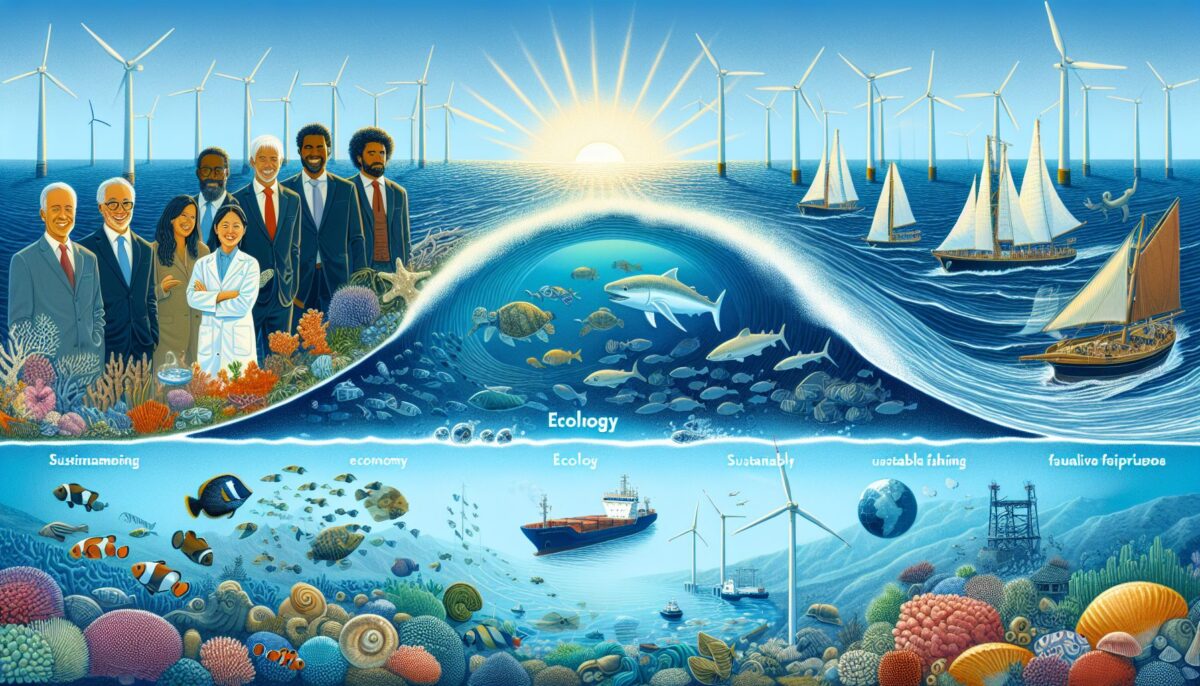
The blue economy refers to the sustainable use of ocean resources for economic growth, improved livelihoods, and jobs while preserving the health of the ocean ecosystem. It encompasses various sectors, including sustainable fisheries, maritime trade, renewable energy, and tourism – all streamlined to enhance marine and human life while protecting the environment.

Sustainable Fisheries and Aquaculture

At the heart of the blue economy are sustainable fisheries and aquaculture. Over-fishing has long been a problem, depleting fish stocks and disrupting marine ecosystems. Sustainable fisheries aim to balance the needs of the world’s growing population with the need to preserve fish species and their habitats.

Aquaculture, or fish farming, can offer a solution by providing a controlled environment for fish production. However, these operations must be managed carefully to prevent pollution and the spread of diseases to wild fish populations.

Renewable Marine Energy

Renewable marine energy, such as tidal and wave energy, represents a significant pillar of the blue economy. By harnessing the power of the sea, these technologies offer a clean and virtually inexhaustible source of energy. Although still in early development stages, advancements in tidal energy and wave energy could revolutionize how we power our homes and industries.

Maritime Trade and Shipping

Maritime trade and shipping have always been economic backbones, connecting worldwide markets. As part of the blue economy, the focus now also includes not just the efficiency of these services but their environmental footprint. Cleaner fuels, better waste management, and more efficient logistical chains are all being developed to create a sustainable maritime trade ecosystem.

Coastal Tourism

Coastal tourism attracts millions of people to the shores for recreation and relaxation. The blue economy seeks to ensure that this economic driver isn’t at the expense of the ecosystems that make these destinations appealing. This involves the development of eco-tourism and conservation efforts to maintain the health of beachfronts and marine life, essential to the tourism industry’s longevity.

Marine Biotechnology

The pharmaceutical and cosmetic industries have turned to the sea, recognizing the potential of marine biotechnology. Organisms found in ocean depths often have unique properties and compounds that could lead to breakthroughs in medicine, beauty products, and even nutrition.

The Importance of Marine Biodiversity

Marine biodiversity is the foundation of a healthy and functioning blue economy. A diverse array of species contributes to robust ecosystems that support the myriad activities outlined above. Efforts to preserve and protect marine biodiversity, such as establishing marine protected areas, are not just good for the environment. They’re an investment in a sustainable economic future.

Challenges and Solutions in Embracing the Blue Economy

While the blue economy offers a pathway to sustainable development, challenges must be overcome.

Overexploitation of Resources

Overexploitation of marine resources remains one of the biggest issues. Illegal, unreported, and unregulated (IUU) fishing, for example, not only decimates fish populations but also undermines economies that rely on these resources. Solutions include stricter enforcement of fishing quotas, surveillance technologies, and promoting sustainable fishing practices.

Pollution

Marine pollution, from plastics to oil spills, poses a significant threat to ocean health. Addressing this requires international collaboration to reduce waste, improve response protocols for spills, and promote circular economy principles, where materials are reused and recycled, minimizing waste.

Climate Change and Ocean Acidification

The effects of climate change, such as ocean acidification, which compromises the ability of marine species to build shells and reef structures, threaten the foundation of the blue economy. Combating climate change through global emissions reduction and supporting research into the effects of acidification on marine ecosystems are necessary steps.

The Path Forward: Policy, Innovation, and Collaboration

Embracing the blue economy requires concerted effort from governments, businesses, scientists, and communities.

Policy Development

Policies that promote sustainable practices and protect marine environments are central to the blue economy model. This might include creating marine protected areas, incentivizing green shipping technologies, and enforcing sustainable fishing regulations.

Innovation

Innovation in technology and practices is driving the blue economy forward. From advanced aquaculture techniques to renewable energy technologies, innovative solutions are key to sustainable ocean-based development.

International Collaboration

The oceans do not belong to a single nation; they are global commons. As such, international collaboration is paramount. Agreements on fishing rights, pollution control, and marine protection help ensure that the blue economy benefits all.

Conclusion: The Future is Blue

The blue economy stands as one of the critical developmental and environmental strategies of the 21st century – a beacon of hope for both economic development and environmental sustainability. However, its success depends on an amalgam of responsible stewardship, imaginative policymaking, and collaborative spirit that transcends borders.

As we navigate the currents of economic and ecological change, we must recognize the intricate connection between the prosperity of our marine environments and the future of our global economy. In caring for the blue, we secure a lifeline for generations to come.

Sources

  1. The World Bank. (2017). What is the Blue Economy? Retrieved from https://www.worldbank.org/en/news/infographic/2017/06/06/blue-economy

  2. Organisation for Economic Co-operation and Development (OECD). (2016). The Ocean Economy in 2030. Retrieved from https://www.oecd.org/ocean/oceaneconomy.htm

  3. United Nations Conference on Trade and Development (UNCTAD). (2014). The Potential of the Blue Economy. Retrieved from https://unctad.org/system/files/official-document/dtlstict2014d8_en.pdf
The Vital Role of Coastal Management in Preserving Our Shorelines

The coast is more than just the meeting point of land and sea; it’s a dynamic interface that supports biodiversity, economies, and human habitats. Yet, with global change accelerating and human activities increasing, our coastal zones are under constant threat. Coastal management emerges as a crucial practice to balance the complex mix of challenges facing coastal areas. This article explores what coastal management entails, the challenges it seeks to address, and the various strategies applied to ensure the sustainability and resilience of our coastal zones.

The Importance of Coastal Zones

Coival zones are diverse ecosystems that provide numerous benefits:

  • Ecological Benefits: They are hotspots for biodiversity, supporting a wide array of animal and vegetation species.
  • Economic Benefits: Coastlines contribute to economies through tourism, fisheries, and maritime trade.
  • Protection: They buffer inland areas from storms and erosion.
  • Cultural Significance: Many communities have cultural ties with the coast.

Challenges Facing Coastal Zones

Despite their importance, coastal areas are facing an array of challenges:

  • Climate Change: A leading concern with effects like sea level rise and increased frequency of extreme weather events.
  • Coastal Erosion: Resulting from a combination of natural and human-induced factors.
  • Habitat Destruction: Due to urbanization, infrastructure development, and resource extraction.
  • Marine Pollution*: Plastics, oil spills, and other pollutants damage marine environments and wildlife.
  • Resource Depletion: Overfishing and unsustainable practices threaten marine life and the livelihoods of communities.

What Is Coastal Management?

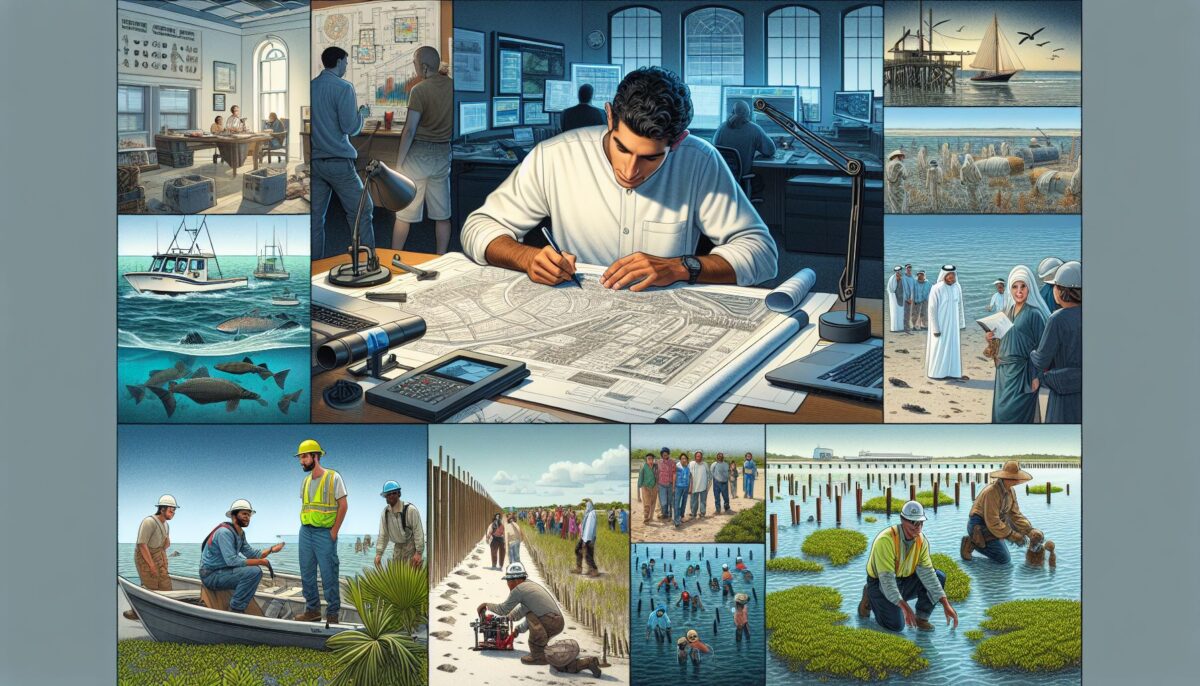
Coastal management is a strategic approach to dealing with the issues facing coastal zones. It involves the governance, legislation, and on-the-ground measures designed to protect coastal ecosystems while promoting sustainable development.

Integrated Coastal Zone Management (ICZM)

One widely recognized strategy within coastal management is ICZWeM, which adopts a holistic approach to coordinating the management of coastal resources, recognizing the interconnections within the ecosystem and the need for cooperation among various stakeholders.

Strategies for Effective Coastal Management

Comprehensive coastal management involves various strategies tailored to regional challenges and characteristics. Here are some important strategies:

Habitat Restoration and Conservation

Protecting and restoring habitats such as mangroves, beaches, and wetlands is critical. This not only supports biodiversity but also enhances natural coastal defenses against erosion and extreme weather.

Sustainable Development Planning

Ensuring new development is carried out sustainably, with minimal impact on the coastal environment, is key. This includes enforcing buffer zones, adopting eco-friendly building codes, and implementing land-use controls.

Pollution Control

Addressing marine pollution entails both prevention and cleanup measures. Regulations to limit agricultural runoff, industrial discharges, and improve waste management systems are necessary steps.

Climate Adaptation

Coastal management must incorporate climate adaptation strategies such as building sea walls, promoting natural buffers, and planning for sea level rise.

Community Engagement and Education

Local communities play a central role in coastal management. Empowering and educating residents about sustainable practices helps in the stewardship of coastal resources.

Policy and Legislation

Implementing and enforcing policies that protect coastal areas are foundational to any coastal management strategy. Regional cooperation is also vital, as many coastal challenges transcend political borders.

Case Studies and Examples of Successful Coastal Management

The Great Barrier Reef, Australia

The Great Barrier Reef Marine Park is considered a success story in terms of comprehensive coastal management. It includes a zoning plan that balances conservation and sustainable use, setting an example for large-scale ecosystem management.

The Dutch Coastline

The Netherlands is famous for its proactive coastal defense strategies, including the construction of sophisticated sea barriers and the ongoing ‘Sand Motor’ project, which uses nature-based solutions to reinforce the coastline.

The Mangroves of Sundarbans, Bangladesh and India

The Sundarbans mangrove forest, a significant protective barrier against cyclones and a rich habitat for wildlife, showcases the importance of conservation efforts in maintaining vital coastal ecosystems.

Challenges in Implementing Coastal Management

Despite the clear benefits of effective coastal management, there are significant barriers to its implementation:

  • Lack of resources and funding in many regions.
  • Conflicts of interest among stakeholders and industry.
  • Insufficient data and monitoring for informed decision-making.
  • Political challenges, ranging from local opposition to international disputes.

The Way Forward

To advance the goals of coastal management, the following steps are integral:

  1. Strengthened International Cooperation: Sharing knowledge, technology, and best practices can significantly enhance the effectiveness of coastal management globally.

  2. Investment in Research and Monitoring: Continuous scientific research and monitoring provide the data necessary to adapt and improve coastal management practices.

  3. Engaging the Public: Building awareness and involving communities in decision-making leads to more inclusive and sustainable outcomes.

  4. Integrating Coastal Management into National Policies: Incorporating coastal management into broader national and regional policies ensures a consistent approach to environmental protection and resource management.

Conclusion

Our coastlines are precious natural assets that require our concerted efforts to protect and manage sustainably. Coastal management is multifaceted, addressing diverse challenges through integrated strategies that blend science, policy, and community action. By prioritizing coastal management, we can navigate a path that respects and preserves the integrity of these ecosystems for future generations.

Sources

  1. United Nations Environment Programme (UNEP): Integrated Coastal Zone Management [https://www.unep.org/]
  2. Intergovernmental Panel on Climate Change (IPCC): Reports on Climate Change and Land [https://www.ipcc.ch/]
  3. The World Bank: Coastal Zone Management [https://www.worldbank.org/en/topic/environment/brief/coastal-zone-management]

Through informed and concerted efforts, respecting both human needs and the delicate balance of coastal ecosystems, we can ensure the sustainability of our shorelines – a treasure that once lost, could prove irreplaceable.

The Intricate Dance of Ocean Currents: Lifelines of Our Blue Planet

The ocean is a complex, dynamic, and influential force on planet Earth. Among its manifold characteristics, the currents that flow through its vast expanses stand out as pivotal elements in the regulation of climate, the shaping of marine ecosystems, and the facilitation of human endeavors, such as maritime trade. In this in-depth article, we will dive into the world of ocean currents, explore their origins and impacts, and understand why these relentless flows of water are much more than mere ripples on the surface.

What are Ocean Currents?

Ocean currents are continuous, directed movements of sea water generated by a variety of forces acting upon the water, including wind, the Coriolis effect, breaking waves, cabbeling, and temperature and salinity differences. As key components of the Earth’s climate system, they distribute heat from the equatorial regions to higher latitudes, affecting weather patterns and marine life habitats.

Surface vs. Deep Water Currents

Ocean currents come in two main types: surface currents and deep water currents. Surface currents, comprising about 10% of all the water in the ocean, are primarily driven by wind and largely follow global wind patterns. The Coriolis effect, a result of the Earth’s rotation, also influences their direction, leading to the characteristic clockwise flow in the Northern Hemisphere and counterclockwise in the Southern Hemisphere.

Conversely, deep water currents are driven by differences in water density, caused by variations in temperature (thermohaline circulation) and salarity. As dense, salty, and cold water sinks at the poles, it sets up a slow conveyor belt-like current that moves vast amounts of water around the globe, with profound effects on global climate.

The Forces Behind Ocean Currents

Understanding ocean currents requires an exploration of the forces and the physical principles behind their movement.

Wind Patterns

Winds are the primary force creating surface currents. The major wind belts — the trade winds, the westerlies, and the polar easterlies — push the surface waters, creating current patterns that approximately mirror the wind patterns above them.

The Coriolis Effect

The rotation of the Earth causes moving water to veer to the right in the Northern Hemisphere and to the left in the Southern Hemisphere. This apparent deflection is known as the Coriolis effect and plays a pivotal role in the direction currents take.

Differences in Water Density

Differences in salinity and temperature create changes in the density of seawater, leading to the movement of water masses. As cold water is denser than warm water, and saltier water is denser than fresh water, these variances drive the slow-moving deep water currents that play a significant role in regulating the Earth’s climate.

The Major Ocean Currents

The world’s oceans are home to a number of major currents, such as the Gulf Stream in the Atlantic, the Kuroshio in the Pacific, and the Antarctic Circumpolar Current in the Southern Ocean. These currents have a profound influence on marine life and coastal climates.

The Gulf Stream

The Gulf Stream is one of the most well-known currents, transporting warm, tropical water up the eastern coast of the United States and across the Atlantic toward Europe. Its warmth significantly moderates the climate of Western Europe, making it much milder than other regions at similar latitudes.

The Antarctic Circumpolar Current

Encircling Antarctica, this current is the only one that flows completely around the Earth and connects the Atlantic, Pacific, and Indian Oceans. It serves as a barrier that limits the northward drift of Antarctic waters, preserving the unique climate and ecosystem of the continent.

The Impact of Ocean Currents

The influence of ocean currents extends far beyond their physical presence in the seas. They impact climate, marine life, and human activities in multiple ways.

Climate Regulation

Currents act as conveyer belts, moving warm and cold water around the globe. They help to regulate the Earth’s climate by influencing temperatures on land. For instance, the Gulf Stream keeps Europe significantly warmer than other countries at the same latitude.

Marine Life

Currents also play an essential role in the life cycles of many marine species by distributing nutrients and affecting water temperature. The upwelling of cold, nutrient-rich water along coastlines supports some of the world’s most productive fisheries.

Maritime Trade

Navigators have used ocean currents for centuries to aid in maritime travel and trade. Understanding these currents allows for more efficient and fuel-effective routing of ships, which is vital for the global economy.

Environmental Concerns

Ocean currents can also spread pollutants wider and faster than they would otherwise move. From oil spills to marine debris, currents can carry these hazardous materials across vast stretches of ocean, impacting marine ecosystems far from the original source of the pollution.

Renewable Energy Source

The kinetic energy of ocean currents represents an untapped resource for generating clean, renewable energy. Tidal and wave energy projects are increasingly being investigated and developed to harness this potential.

The Challenges of Ocean Currents

Despite their benefits, ocean currents also present challenges, particularly in the face of climate change.

Ocean Acidification

The increased absorption of CO₂ due to global climate change is leading to ocean acidification. This, in turn, affects the ability of marine organisms like corals and shellfish to construct their calcium carbonate shells and skeletons, disrupting ecosystems.

Rising Sea Levels

As global temperatures rise, polar ice melts and sea levels increase, a process that can be exacerbated by currents that bring warm water to polar regions, further melting the ice. Rising sea levels pose a threat to coastal communities and habitats.

Changing Currents

Climate change is also affecting the strength and patterns of ocean currents. Variations in these currents can have wide-reaching consequences for weather patterns, sea levels, and the distribution of marine species.

Navigating the Future

Advancements in oceanography are crucial for improving our understanding of how ocean currents affect the climate, ecosystems, and human activities. By utilizing satellites, buoys, and autonomous underwater vehicles, scientists can monitor current patterns and predict changes more accurately.

The Importance of Marine Protected Areas

Establishing marine protected areas (MPAs) can help mitigate some of the negative impacts on marine ecosystems by preserving biodiversity and providing a refuge for marine life in the face of changing currents and environmental stressors.

Sustainable Coastal Management

Developing sustainable coastal management practices is key to protecting our shorelines and the livelihoods of communities that depend on them from erosion, pollution, and the effects of changing currents.

The Blue Economy

Investment in the blue economy, which includes industries such as sustainable fisheries, maritime transport, and renewable energy, can promote the sustainable use of ocean resources while capitalizing on the potential offered by the world’s oceans and their currents.

Conclusion

The intricate network of currents that sweep across our oceans are highways connecting distant shores, circulating life-giving nutrients, and moderating climates across the globe. As we gain greater insight into these dynamic forces, their importance to the health of our planet and our lives becomes ever clearer. Our task now is to navigate these waters with care, protecting and harnessing their energies for future generations.

Sources

  1. National Oceanic and Atmospheric Administration (NOAA): [https://www.noaa.gov](https://www.no

Navigating the Waves of Change: The Vital Role of Oceanography in Understanding Our Blue Planet

The ocean is a vast and wondrous part of our planet, covering more than 70% of the Earth’s surface. It is a source of life, a hub for biodiversity, and a key player in the global climate system. Yet, despite its importance to life on Earth, much of the ocean remains a mystery. Oceanography, the scientific study of the ocean, aims to unravel these mysteries by exploring its physical, chemical, biological, and geological properties. This article delves into the world of oceanography, its subdisciplines, and its pivotal role in addressing modern challenges such as climate change, marine pollution, and the sustainable use of ocean resources.

Understanding Oceanography

Oceanography is an interdisciplinary science that combines elements of biology, chemistry, physics, and geology to understand the complex interactions within the marine environment. The study of oceanography is crucial for several reasons:

  1. Climate Regulation: The ocean plays a vital role in regulating the Earth’s climate by absorbing and redistribating heat from the sun.
  2. Marine Biodiversity: It is home to a multitude of organisms, from the microscopic plankton to the massive blue whale.
  3. Economic Resources: The ocean is a source of food, energy, minerals, and other resources that are integral to the world’s economy.
  4. Environmental Health: Studying the ocean helps scientists monitor and mitigate environmental issues like pollution and acidification.

Subdisciplines of Oceanography

Oceanography can be divided into several subdisciplines, each with a specific focus:

  • Physical Oceanography: Examines the ocean’s physical properties and dynamics, including waves, tides, currents, and ocean-atmosphere interactions.
  • Chemical Oceanography: Focuses on the chemical composition and properties of seawater, as well as the biochemical cycles within the ocean.
  • Biological Oceanography (or Marine Biology): Studies the diverse forms of life in the ocean, their ecological relationships, and the impact of environmental changes on marine organisms.
  • Geological Oceanography: Investigates the structure and evolution of the seafloor, including plate tectonics, sedimentation, and the creation of oceanic features like trenches and ridges.
  • Marine Geology: Concerns itself with the geologic features and processes of the seafloor, such as underwater volcanism and erosion.
  • Marine Ecology: Looks at the relationships between ocean organisms and their environment, including the impact of human activities.

Oceanography’s Role in Addressing Global Challenges

Oceanography is not just an academic pursuit; it is also essential for addressing some of the world’s most pressing challenges.

Climate Change and Oceanography

The ocean is a major carbon sink, absorbing a significant portion of the carbon dioxide emitted by human activities. However, this comes at a cost: ocean acidification. As more CO2 dissolves in seawater, it lowers the pH, affecting calcium carbonate-dependent organisms like corals and shellfish. Oceanographers study these changes to predict their impacts and help develop mitigation strategies.

Marine Pollution and Its Mitigation

Marine pollution, from sources suchly plastic debris, oil spills and toxic chemicals, not only poses a threat to marine life but also impacts human health and economies. Oceanographers work to understand the pathways and fate of pollutants to improve waste management practices and devise clean-up measures.

Sustainable Use of Ocean Resources

As demand for seafood, new medications, and mineral resources grows, sustainable management of ocean resources becomes increasingly important. Oceanography helps in assessing fish stock levels, monitoring the impacts of aquaculture, and guiding responsible mineral extraction from the seafloor.

Ocean Exploration and Technology

Advancements in technology have expanded the frontiers of oceanography. Remotely operated vehicles (ROVs), autonomous underwater vehicles (AUVs), and deep-sea submersibles allow scientists to explore previously unreachable depths. Satellites and advanced sensors provide data on sea surface temperature, sea level rise, and other critical parameters.

Examples of Oceanography in Action

  • Monitoring Sea Level Rise: By tracking changes in sea level, oceanographers can forecast the impacts on coastal communities and ecosystems, aiding in developing protection and adaptation strategies.
  • Coral Reef Preservation: Studying the causes and effects of coral bleaching allows for the creation of conservation plans to protect these vital ecosystems.
  • Fisheries Management: Assessing fish populations and their habitats helps establish fishing quotas and protected areas to prevent overfishing and support marine biodiversity.

Being Stewards of the Sea: Conservation and Policy

Oceanography not only advances scientific understanding but also informs policy and conservation efforts. Marine protected areas (MPAs), for example, are designed based on oceanographic research to safeguard critical habitats and species.

The Role of International Collaboration

The ocean knows no borders, making international collaboration essential. Organisations like the Intergovernmental Oceanographic Commission (IOC) of UNESCO and the International Maritime Organization (IMO) play critical roles in fostering cooperation among nations for ocean research, preservation, and safe navigation.

The Future of Oceanography

In the face of climate change and increasing human impact on marine environments, the role of oceanography is more important than ever. Innovative technologies and collaborative research initiatives continue to push the boundaries of our oceanic knowledge.

Challenges and Opportunities

The vastness and depth of the ocean provide both challenges and opportunities for future research. One major challenge is the need for sustained funding and public support. As climate change accelerates, there is an increasing urgency to understand and protect our marine environments.

Engaging the Public

Raising public awareness about the importance of the ocean and its ecosystems is crucial for the future of oceanography. Educational initiatives and citizen science projects can play a significant role in fostering a connection between the public and the ocean.

Conclusion

Oceanography is a critical science that has far-reaching implications for our understanding of the Earth, informing policies and practices that affect the future health of our planet. By studying the oceans, we gain insight into climate change, biodiversity, and the sustainable management of resources, preparing us to navigate the waves of change.

We must continue to invest in oceanographic research and cultivate an international, collaborative approach to protect our blue planet for generations to come.

Sources

  1. Intergovernmental Oceanographic Commission (IOC) of UNESCO. (n.d.). Retrieved from https://ioc.unesco.org/
  2. National Oceanic and Atmospheric Administration (NOAA). (n.d.). What is Oceanography? Retrieved from https://www.noaa.gov/education/resource-collections/ocean-coasts-education-resources/what-is-oceanography
  3. The Ocean Portal Team. (n.d.). Ocean Acidification. Smithsonian National Museum of Natural History. Retrieved from https://ocean.si.edu/ocean-life/invertebrates/ocean-acidification

Exploring the Mysteries of the Deep: The Fascinating World of Marine Biodiversity

The ocean, a vast and mysterious expanse, covers more than 70% of our planet’s surface. Within its depths lie intricate ecosystems teeming with life, from the tiniest plankton to the largest whales. The diversity of organisms found in the ocean is astronomical—a kaleidoscope of life forms that have adapted to survive in this unique environment. In this comprehensive exploration, we’ll dive deep into the captivating topic of marine biodiversity: its importance, the threats it faces, and what can be done to preserve the richness of life beneath the waves.

What is Marine Biodiversity?

Marine biodiversity refers to the variety and abundance of different species of plants, animals, and microorganisms in the ocean, as well as the genetic differences within these species and the complex ecosystems they form. This biodiversity is not evenly distributed throughout the ocean; it is influenced by a variety of factors such as temperature, salinity, depth, and the availability of light and nutrients.

The Spectrum of Life in the Ocean

From the colorful coral reefs bustling with activity to the enigmatic creatures lurking in the pitch-black depths of the trenches, the ocean is a dynamic environment with an unparalleled range of habitats:

  • Coral Reefs: Often referred to as the “rainforests of the sea,” coral reefs are some of the most diverse ecosystems on Earth. They provide a home for thousands of species of fish, invertebrates, and algae.

  • Open Ocean: The vast open water, or pelagic zone, is where we find the great wanderers of the sea like whales, dolphins, and large fish such as tuna and sharks.

  • Deep Sea: The deep ocean is less explored and understood due to its inaccessibility. Nonetheless, it harbors life-adapted to high pressure, low temperatures, and complete darkness.

  • Polar Seas: In the cold, icy waters of the Arctic and Antarctic, unique communities of organisms thrive below and within the sea ice.

  • Mangroves and Estuaries: Where the sea meets the land, estuaries provide nurseries for many marine species, while mangroves stabilize coastlines and support fish populations.

Why is Marine Biodiversity Important?

The ocean plays a pivotal role in the health of our planet. Marine biodiversity is crucial for the functioning of ecosystems which, in turn, provide services that are essential for human survival. Here’s why preserving marine biodiversity is important:

  • Supports the Food Web: The variety of life in the ocean forms a complex food web that supports the entire marine food chain, including the seafood that humans consume.

  • Regulates Climate: The ocean is a significant carbon sink, with marine plants and algae capturing carbon dioxide during photosynthesis, thus helping to regulate global climate.

  • Realizes the Blue Economy: Healthy marine ecosystems contribute to economic prosperity through fisheries, tourism, and bioprospecting for pharmaceuticals.

  • Cultural Significance: The ocean holds cultural value for many societies and indigenous peoples, providing a source of inspiration, tradition, and spiritual importance.

Threats to Marine Biodiversity

Despite its resilience, marine biodiversity faces many threats. Human activities have led to significant changes in the ocean’s health:

  • Overfishing: Intense fishing pressure has led to the decline of many fish populations and the disruption of marine food webs.

  • Pollution: Nutrient runoff, plastics, chemicals, and other forms of pollution are contaminating the ocean, harming marine life and their habitats.

  • Climate Change: Rising ocean temperatures, ocean acidification, and changing currents affect the distribution and health of marine species, leading to phenomena like coral bleaching.

  • Habitat Destruction: Coastal development, destructive fishing practices, and other human activities are destroying critical habitats such as coral reefs and mangroves.

  • Invasive Species: The introduction of non-native species can disrupt local ecosystems and outcompete native marine life.

Conservation Efforts for Marine Biodiversity

Recognizing the threats to marine biodiversity, the global community has undertaken various initiatives to protect and preserve the richness of life in the ocean:

  • Marine Protected Areas (MPAs): These are regions where human activity is restricted to conserve the ecological and cultural value of marine ecosystems.

  • Sustainable Fisheries Management: Quotas, bycatch reduction devices, and no-fishing zones help in sustaining fish populations.

  • Pollution Reduction: Efforts to reduce pollution include banning single-use plastics, improving wastewater treatment, and regulating chemical discharges.

  • Combating Climate Change: Reducing greenhouse gas emissions is crucial to slow down global warming and protect marine biodiversity.

  • Restoration Projects: Activities like coral reef restoration and wetland rehabilitation help to restore damaged ecosystems.

Research and Monitoring

To protect marine biodiversity effectively, we need to understand it:

  • Oceanography and Marine Biology Studies: Scientists continuously study marine life and ecosystems to gain insight into their complexity and functioning.

  • Monitoring Species and Habitats: Regular monitoring helps to track the health of species and habitats, allowing for timely conservation actions.

  • Genetic Research: Studying the genetics of marine organisms can reveal information about population sizes, migration patterns, and resilience to environmental changes.

Getting Involved

Individuals and communities also play a role in the conservation of marine biodiversity:

  • Educate and Raise Awareness: Understanding the importance of marine biodiversity is the first step towards its preservation.

  • Sustainable Lifestyle Choices: Choosing sustainably sourced seafood and reducing plastic consumption can make a difference.

  • Citizen Science: Participation in local conservation initiatives and citizen science projects can support research and monitoring efforts.

Looking Ahead

The fate of the oceans is inextricably linked to our own. As stewards of this planet, it is our responsibility to ensure that future generations can enjoy the diversity and abundance of marine life that we have today. Only through concerted efforts at local, national, and global levels can we hope to maintain the delicate balance of our ocean’s ecosystems.

By promoting sustainable practices, supporting conservation policies, and fostering a deeper connection with the ocean, we can move towards a more harmonious relationship with the marine world—a testament to the resilience and splendor of life beneath the waves.

Sources

Through understanding and valuing the diversity of life in our oceans, we may unearth the solutions to some of the greatest challenges we face and unlock the full potential of “The Blue Economy” for sustainable development. Join the movement to protect our planet’s precious marine biodiversity—it’s

The Intriguing Dynamics of Ocean Currents: A Deep Dive into Our Planet’s Circulatory System

The ocean is the lifeblood of Earth, playing a crucial role in regulating the world’s climate and supporting marine biodiversity. At the heart of the ocean’s influence lie the ever-flowing movements known as ocean currents. Understanding these currents is not only fascinating from a scientific perspective, but it is also paramount for the well-being of our planet and the future of mankind.

In this extensive exploration, we will delve into the world of ocean currents, uncovering their mysteries, importance, and the challenges they face in the era of climate change. Punctuating this journey with credible sources, we will gain insights from the National Oceanic and Atmospheric Administration (NOAA), the Intergovernmental Panel on Climate Change (IPCC), and leading marine research bodies.

What Are Ocean Currents?

Ocean currents are continuous, directed movements of sea water generated by various forces acting upon the water, including wind, the Coriolis effect, temperature differences, and tides. These currents shape climate patterns, transport nutrients and organisms, and even influence human activities such as maritime trade.

Surface Currents vs. Deep Water Currents

Ocean currents can be categorized as surface currents, which consist of the upper 400 meters of the sea, and deep water currents, found deeper in the ocean. Surface currents are primarily driven by wind and the Earth’s rotation, while deep water currents result from variations in water density, affected by temperature and salinity—a process known as thermohaline circulation.

The Importance of Ocean Currents

Climate Regulation

One of the most significant roles that currents play is in the regulation of the Earth’s climate. The Gulf Stream, a well-known warm-water surface current, is responsible for the moderate climate in Northwestern Europe. Similarly, currents in the Southern Ocean around Antarctica play a critical part in distributing heat across the planet.

Nutrient and Organism Transport

Nutrient-rich waters from the deep are brought to the surface through a process called upwelling. This supports marine life by supplying essential nutrients, which sustain large fish populations and, subsequently, fisheries and local economies. Ocean currents also aid in the dispersal of marine organisms, influencing the biodiversity of different regions.

Human Impact

Maritime trade benefits significantly from ocean currents. Ships often use currents to save fuel and time, which is economically advantageous. Currents also influence fishing, recreational boating, and undersea navigation.

The Forces Behind Ocean Currents

To grasp the complexities behind ocean currents, let’s look at the primary forces that influence them:

Wind

Winds blowing across the surface of the ocean push the water, creating currents. The global wind patterns, such as the trade winds and westerlies, profoundly affect current patterns.

Coriolis Effect

The Earth’s rotation causes a deflective force, the Coriolis effect, which acts on ocean currents. In the Northern Hemisphere, this force deflects currents to the right, while in the Southern Hemisphere, it deflects them to the left.

Water Density Differences

Differences in water density, resulting from variations in temperature and salinity, lead to changes in water mass movements. Cold, salty water tends to sink, driving deep water currents in a process known as thermohaline circulation.

Tides

Tidal forces exerted by the moon and sun generate tidal currents, which flow in and out of bays and estuaries and can be particularly strong.

The Effects of Climate Change on Ocean Currents

Ocean currents are not immune to the effects of climate change. The IPCC has reported significant changes in the strength and direction of some currents due to the warming of ocean waters and the melting of polar ice. These alterations can have far-reaching impacts on climate systems, marine ecosystems, and coastal conditions.

Melting Ice Caps and Ocean Circulation

The melting of polar ice caps introduces large volumes of freshwater into the oceans. This influences the salinity and density of the seawater, potentially disrupting the thermohaline circulation.

Altered Marine Ecosystems

Shifts in currents affect marine ecosystems by changing the distribution of nutrients and altering habitats. This leads to the migration of species and affects global biodiversity.

Rising Sea Levels and Coastal Erosion

Climate change exacerbates sea-level rise and coastal erosion, partly due to changing currents. This represents a significant threat to coastal communities and infrastructure.

The Role of Research and Monitoring

Extensive research and monitoring are essential in understanding the behavior of ocean currents and the ways in which they are changing. Programs like the Global Ocean Observing System (GOOS) provide invaluable data for climate prediction models and environmental monitoring.

Future Challenges and Adaptation

As ocean currents continue to change, humanity must adapt to the new challenges posed by altered maritime routes, shifting fishery patterns, and the need for robust coastal defense strategies against sea-level rise and storm surges.

Conclusion

Oceans currents are the silent powerhouses of our planet. They are essential to the health of the marine environment and have an outsized influence on global climate and human societies. As we navigate the clear changes brought upon by climate change, understanding and preserving the integrity of these marine highways is more critical than ever. With targeted research, international cooperation, and a commitment to sustainability, we can harness the knowledge of ocean currents to safeguard our future and the rich biodiversity of our blue planet.

Sources:

  1. National Oceanic and Atmospheric Administration (NOAA): https://www.noaa.gov/
  2. Intergovernmental Panel on Climate Change (IPCC): https://www.ipcc.ch/
  3. Global Ocean Observing System (GOOS): http://www.goosocean.org/

By exploring the depths of ocean currents, not only do we expand our knowledge but we also take proactive steps to ensure the health and vitality of our oceans for generations to come.

The Blue Economy: Harnessing the Ocean’s Potential for Sustainable Development

The ocean covers more than 70% of Earth’s surface and is vital to the health of our planet, influencing weather patterns, supporting a diverse web of marine life, and providing a livelihood for millions of people. Among these ocean-related concepts and phenomena emerges the idea of the Blue Economy—an approach that seeks to promote economic growth, social inclusion, and preservation or improvement of livelihoods while at the same time ensuring the environmental sustainability of oceans and coastal areas.

What is the Blue Economy?

The Blue Economy is an economic model that emphasizes sustainability, ecosystem health, and the circular economy. It encompasses a broad range of activities, including sustainable fishing, renewable marine energy, maritime transport, tourism, climate change mitigation, and efforts to protect marine biodiversity.

Sustainable Fishing and Aquaculture

Fisheries and aquaculture are pillars of the Blue Economy, providing nutrition, employment, and economic benefits. Sustainable practices in these areas are crucial for ensuring that fish stocks are preserved for future generations while minimizing the environmental impact of fishing activities.

Aquaculture

Aquaculture, or fish farming, is growing in importance as natural fish stocks become more depleted. By controlling breeding, rearing, and harvesting processes, aquaculture can reduce pressures on wild fish populations and provide a steady supply of seafood.

Renewable Marine Energy

The ocean is a source of renewable energy that comes in the form of wind, waves, tidal power, and temperature gradients.

Wave and Tidal Energy

Wave and tidal energy harness the power of water movement to generate electricity. Tidal energy, in particular, has the advantage of being very predictable, as tides are influenced by the gravitational pull of the moon and the sun.

Maritime Transport

Shipping is the backbone of global trade, responsible for the transportation of a large percentage of the world’s goods. As part of the Blue Economy, there is a push toward greener shipping technologies to reduce emissions and prevent marine pollution.

Marine Tourism

Coastal and marine tourism are integral aspects of the Blue Economy, offering opportunities for economic development in coastal communities while encouraging the conservation of marine environments.

Climate Change Mitigation

The ocean plays a key role in global climate dynamics. Marine ecosystems, such as mangroves and seagrass beds, can sequester carbon dioxide from the atmosphere, helping to mitigate the effects of climate change.

Marine Biodiversity Protection

Biodiversity is essential for maintaining the ocean’s health and its capacity to provide services. Marine protected areas (MPAs) are one way of securing the ocean’s biodiversity by restricting activities that could harm flora and fauna.

Challenges Facing the Blue Economy

Despite its potential, the development of the Blue Economy faces significant challenges.

Overfishing

Overfishing is a major threat to marine ecosystems, leading to the depletion of fish stocks and the disruption of the marine food chain.

Marine Pollution

Marine pollution from plastic debris, oil spills, and agricultural runoff can wreak havoc on ocean ecosystems, affecting both wildlife and human health.

Climate Change

Rising sea levels, ocean acidification, and increasing ocean temperatures contribute to coral bleaching and other negative impacts on marine life, complicating efforts to sustainably manage ocean resources.

Unsustainable Coastal Development

Coastal development can lead to habitat destruction, increased pollution, and the displacement of coastal communities.

Case Studies in the Blue Economy

Implement worthily, the Blue Economy can transform the way society interacts with the ocean. Here are a couple of global initiatives illustrating this approach:

The Great Barrier Reef—Australia

The Great Barrier Reef is seen as a significant asset under the Blue Economy. Efforts are ongoing to protect the reef from threats like coastal development, runoff, illegal fishing, and the impacts of climate change.

The Seychelles Blue Economy

The Seychelles is an archipelago nation that has placed the Blue Economy at the center of its development strategy. It has done so by integrating sustainable fisheries, marine conservation, and the use of marine resources into its economic planning.

Strategizing for the Future

To realize the full potential of the Blue Economy, comprehensive strategies must be developed and implemented. These strategies should include:

Strong Governance

Effective management requires strong governance structures that can enforce regulations, monitor activities, and ensure that practices are sustainable.

Investment in Science and Research

To manage the blue economy wisely, more research is needed into marine ecosystems, resources, and the potential impacts of different economic activities.

Innovation and Technology

Innovative technologies can minimize the environmental footprint of ocean-based industries while also opening new opportunities for economic development.

Stakeholder Engagement

Involving local communities, businesses, and other stakeholders in decision-making processes is vital for the success and social equity of the Blue Economy.

Conclusion

The Blue Economy offers a promising approach to managing ocean resources sustainably while fostering economic growth. By balancing the economic potential of the sea with the necessity of preserving its ecological health, we can safeguard the prosperity and well-being of future generations.

Sources

  1. World Bank Group. (2017). What is the Blue Economy? Retrieved from https://www.worldbank.org/en/news/infographic/2017/06/06/blue-economy
  2. Silver, J. J., Gray, N. J., Campbell, L. M., Fairbanks, L. W., & Gruby, R. L. (2015). Blue Economy and Competing Discourses in International Oceans Governance. The Journal of Environment & Development, 24(2), 135–160.
  3. United Nations Conference on Trade and Development (UNCTAD). (2014). Harnessing the Blue Economy to Influence Sustainable Development. Retrieved from https://unctad.org/system/files/non-official-document/dtlcinf2014d1_en.pdf

Implementing the Blue Economy paradigm requires transformative changes at local, national, and international levels. With continued collaboration and commitment to sustainable management, the ocean’s resources can be harnessed for the benefit of all, without compromising the health of the marine environment that we all depend on.

Tides: The Rhythmic Pulse of our Ocean Planet

Unveiling the Mysteries of Tides

The ocean has long been a subject of fascination and mystery, playing a central role in the lives of those who live by its shores and those who brave its vast expanses. Among the many phenomena that define our oceans, tides stand out as a remarkable force that has shaped the history of coastal living, navigation, and maritime trade. In this article, we will delve into the nature of tides, their causes, and their profound impact on the planet’s coastal ecosystems and human activities. With a comprehensive look at tides, we will explore the rhythmic pulse that is both predictable and enigmatic.

What Are Tides and What Causes Them?

Tides are the rise and fall of sea levels caused by the gravitational forces exerted by the moon and the sun, and the rotation of the Earth. Despite their regularity, the mechanisms of tides are complex and involve the interplay of various celestial and earthly factors.

Gravitational Pull and the Tidal Forces

The primary force driving the tides is the gravitational pull of the moon on the Earth’s oceans. To a lesser extent, the sun also exerts a gravitational force on our planet. Together, these celestial bodies create bulges in the ocean’s waters—areas where the water is pulled away from the Earth, resulting in high tides. The areas opposite these bulges experience low tides.

The Role of Earth’s Rotation

The Earth’s rotation adds another layer to the complexity of tides. As the planet spins on its axis, different parts of the oceans face the moon, resulting in the cyclical nature of the tidal patterns. This rotation is also why there are generally two high tides and two low tides each day.

Types of Tides

Diurnal, Semidiurnal, and Mixed Tides

Depending on the geographical location, there are three main types of tidal patterns:

  • Diurnal Tides: A single high and a single low tide each lunar day (24 hours and 50 minutes).
  • Semidiurnal Tides: Two high tides and two low tides of roughly the same height each lunar day.
  • Mixed Tides: Variably sized tides where high and low tides differ in height substantially.

Spring and Neap Tides

Beyond these patterns, tides also vary in their intensity over the lunar month:

  • Spring Tides: Occur during the full moon and new moon when the sun, moon, and Earth are aligned, leading to the highest high tides and the lowest low tides.
  • Neap Tides: Occur during the first and last quarters of the moon when the sun and moon are at right angles to each other, resulting in moderate tides.

Effects of Tides on Marine Life and Ecosystems

Tides play an essential role in the health of marine ecosystems, influencing the distribution of nutrients, breeding cycles of marine organisms, and the shape of coastlines.

Intertidal Zones

In the intertidal zone, the area between the high tide and low tide marks, countless species are adapted to the rigorous conditions. Organisms such as barnacles, mussels, and many types of seaweed have developed unique adaptations to survive the alternating periods of submersion and exposure.

Coastal Wetlands

Tides also contribute to the health of coastal wetlands, estuaries, and mangrove forests by bringing in nutrients and flushing out wastes. These wetland areas are crucial for many species of fish and birds, acting as nurseries and feeding grounds.

Tides and Human Activities

The predictability of tides has been harnessed for various human ends—navigation, industry, and even power generation.

Maritime Navigation and Trade

Navigation has relied on an understanding of tidal movements for centuries. Knowing when to expect high and low tides can determine when a ship can safely pass through shallow straits or enter and leave ports and harbors.

Ports and Harbor Management

Ports and harbors are often engineered to take advantage of tides, using the natural rise and fall of water levels to aid in ship movements and loading activities.

Tidal Energy

Renewable tidal energy is an emerging field where the kinetic energy of tides is converted into electricity. Tidal barrages and underwater turbines are technologies that harness this consistent and predictable resource.

Challenges: Tidal Predictions and Climate Change

Predicting tides may seem straightforward due to their cyclic nature, but local factors such as coastline shape, ocean bottom topography, and other geographical nuances contribute to unexpected variations.

In the face of climate change, rising sea levels present a new challenge to coastal regions. The resulting higher tides can lead to increased coastal erosion and flooding, threatening infrastructure and habitats.

Tidal Research and Technology

Scientists use a combination of observations, historical data, and advanced computational models to predict tides. This field of study, known as tidology, has seen significant advancements with the advent of satellite altimetry and computer simulations.

Satellite and Computer Modeling

Modern satellites allow for precise measurements of the sea surface height, which, when combined with computer models, enables highly accurate tidal predictions. This has immense implications for maritime trade, coastal management, and environmental protection.

Conclusion

Tides are a powerful and dynamic component of the Earth’s hydrosphere, directly influencing marine life and human civilization. From the casual beachgoer to the seasoned mariner, understanding tides is essential to appreciating and navigating the complexities of our ocean planet.

As we look towards a future where the oceans continue to play a vital role in global ecosystems and economies, recognizing the importance of tides will be crucial. Whether harnessing tidal energy or adapting to the challenges posed by climate change, humanity’s relationship with the rhythmic pulse of tides will undoubtedly continue to evolve.

Sources

  1. National Oceanic and Atmospheric Administration (NOAA) – Tides and Currents
  2. British Oceanographic Data Centre (BODCh) – Tidal Predictions
  3. Intergovernmental Oceanographic Commission (IOC) – Satellite Oceanography

Please note: The above article is for illustrative purposes only. For real-world applications, regulations, guidelines, and further research would be necessary.

The Blue Economy: Harnessing Ocean Resources for Sustainable Prosperity

The world’s oceans, covering more than 70% of the Earth’s surface, are a powerhouse of untapped potential. The term “blue economy” has gained significant traction in recent years, describing the sustainable use of ocean resources for economic growth, improved livelihoods, and jobs, while preserving the health of ocean ecosystems. This comprehensive exploration into the blueynamic nexus of marine opportunities and challenges will span the breadth of what the blue economy entails, from its benefits and sectors to the current issues it faces and the steps necessary to implement it successfully.

What is the Blue Economy?

The idea of a blue economy has its roots in the 2012 Rio+20 United Nations Conference on Sustainable Development. It signifies a shift from the traditional ocean exploitation practices to integrated approaches that balance ecological integrity with human welfare and economic viability.

Key Sectors of the Blue Economy

  • Sustainable Fisheries & Aquaculture: Ensuring that fish stocks are managed efficiently and aquaculture practices are environmentally friendly.
  • Marine Renewable Energy: Tapping into wave energy, tidal energy, and offshore wind energy.
  • Maritime Trade & Shipping: Advancing sustainable practices in one of the world’s oldest economic activities.
  • Tourism & Recreation: Promoting eco-friendly marine and coastal tourism.
  • Coastal Protection & Marine Infrastructure: Implementing living shorelines and green infrastructure to enhance resilience.
  • Biotechnology & Genetic Resources: Leveraging marine biodiversity for pharmaceuticals and industrial products.
  • Desalination: Finding sustainable ways to convert saltwater to freshwater to address water scarcity.
  • Mineral Resources: Responsibly harnessing the wealth of minerals found on and beneath the seafloor.

Benefits of the Blue Economy

The blue economy aims to promote economic growth, social inclusion, and the preservation or improvement of livelihoods while at the same time ensuring environmental sustainability of the oceans and coastal areas. It encompasses industries such as offshore wind and marine solar energy, marine biotechnology and bioprospecting, underwater robotics, oceanic aquaculture, and deep-sea mining.

The Current Blue Economy Landscape

Marine Renewable Energy

Wave and Tidal Energy: As the search for sustainable energy sources intensifies, the blue economy looks to the ocean. Wave and tidal energy exploit the kinetic energy produced by the movement of water to generate electricity. Technologies to harness this energy are rapidly evolving, promising a cleaner alternative to fossil fuels.

Offshore Wind Farms: Another growing sector is offshore wind, utilizing the power of oceanic gusts to generate electricity. European nations are at the forefront of expanding this industry, which benefits from less visual pollution and more consistent wind flow than onshore counterparts.

Sustainable Fisheries

Sustainable fisheries are a critical aspect of the blue economy. Overfishing and harmful fishing practices threaten fish stocks, marine habitats, and the livelihoods of communities dependent on marine resources. Implementing sustainable fishing techniques and management practices ensures that the ocean can continue to provide food and income for millions of people.

Aquaculture

Aquaculture, the farming of fish, shellfish, and algae, has the potential to meet global demand for seafood without depleting wild stocks. Innovations are making it increasingly sustainable, with practices like integrated multi-trophic aquaculture (IMTA) mimicking natural ecosystems.

Ocean Tourism

Marine and coastal tourism, including eco-tourism and cultural tours, play a significant role in the blue economy, offering sustainable livelihood options and promoting conservation. Developments like underwater hotels and marine parks also contribute to the growth of this sector.

Marine Biotechnology

Biotechnology industries are turning to the sea to discover new products. Compounds from marine organisms lead to developments in pharmaceuticals, nutritional supplements, and cosmetic products. The genetic diversity found in the ocean is a treasure trope for bio-prospecting.

Shipping and Ports

The global economy relies on maritime trade, and there is immense potential to improve the efficiency and sustainability of ports and shipping. Cleaner fuels, green port initiatives, and technological advancements in navigation contribute to a more sustainable marine trade.

Coastal and Marine Ecosystem Services

Coastal ecosystems like mangroves, coral reefs, and seagrass beds provide essential services, from coastal protection and habitat for marine life to tourism and carbon sequestration. Protection and restoration of these ecosystems are vital components of the blue economy.

Challenges Facing the Blue Economy

While the blue economy offers abundant opportunities, it also faces challenges and threats, including:

  • Marine Pollution: From plastic debris to chemical runoff, pollution is choking ocean life and ecosystems.
  • Climate Change and Ocean Acidification: Rising concentrations of atmospheric CO2 are leading to warming and acidification of oceans, impacting biodiversity and fisheries.
  • Overfishing: Unsustainable fishing practices threaten the balance of marine ecosystems and the viability of fisheries.
  • Marine Habitat Destruction: Coastal development, bottom trawling, and other practices destroy critical habitats.
  • Inequitable Resource Distribution: Ensures that the benefits of ocean resources are shared equitably among nations and communities.
  • Legal and Territorial Challenges: Complex maritime boundaries and legal frameworks can complicate the implementation of blue economy principles.

The Road to a Sustainable Blue Economy

To achieve a thriving blue economy, we must:

  • Enforce Strong Policies: Implementing international agreements and enforceable marine policies are crucial to manage resources sustainably.
  • Invest in Science and Innovation: Investment in research and development can stimulate innovations for sustainable use of ocean resources.
  • React appropriately to Environmental Changes: Adaptation to climate change impacts and mitigation efforts is essential for the sustainability of ocean-based industries.
  • Promote Inclusive Growth: Ensuring that the growth of the blue economy benefits all stakeholders, particularly coastal communities and small island developing states.
  • Enhance Public Awareness: Education and public awareness campaigns are necessary for fostering a connection between society and the ocean.
  • Build Infrastructure: Developing infrastructure to support sustainable ocean industries while protecting the environment.

Conclusion

The blue economy is a beacon of hope for sustainable development, offering a framework to harness the ocean’s wealth while protecting its vast and delicate ecosystems. Transitioning to a blue economy requires concerted efforts from governments, businesses, civil society, and local communities. By adopting a holistic and integrated approach to ocean governance and economic development, we can unlock the ocean’s potential in a way that benefits both people and the planet.

Sources

  1. World Bank Group. (2017). What is the Blue Economy?
  2. United Nations Conference on Trade and Development (UNCTAD). (2021). Sustainable Shipping
  3. United Nations Environment Programme (UNEP). (2021). Sustainable Management of the Blue Economy

Understanding the Blue Economy: Sustaining Our Oceans, Supporting Our Future

The ocean covers over 70% of the Earth’s surface, plays a crucial role in supporting life, and is fundamental to our economy. This vast body of water provides food, regulates our climate, and supports a burgeoning economy that is rapidly gaining recognition: the Blue Economy. This concept extends well beyond the extraction of resources; it encapsulates how we can sustainably harness the ocean’s resources to support economic growth, improve livelihoods, and preserve the health of ocean ecosystems.

What is the Blue Economy?

The Blue Economy is a term that has gained traction in recent years, referring to the sustainable use of ocean resources for economic growth, improved livelihoods, and jobs while preserving the health of ocean ecosystems. It encompasses a wide range of sectors, including fisheries, aquaculture, maritime trade, tourism, and energy. Understanding and investing in the Blue Economy is critical as it provides a crucial opportunity for coastal nations to capitalize on their natural resources while fostering environmental stewardship.

Fisheries and Aquaculture

Fisheries and aquaculture represent a significant part of the Blue Economy. According to the Food and Agriculture Organization (FAO), the fisheries and aquaculture sector provides the primary source of protein for 3.3 billion people and supports the livelihoods of 10-12% of the world’s population [1]. However, overfishing and unsustainable practices threaten the industry, leading to decreased fish stocks and ecosystem damage. Sustainable fisheries and responsible aquaculture practices are imperative to maintain balance.

Maritime Trade and Shipping

Maritime trade and shipping areanother pillar of the Blue Economy. The vast majority of international trade by volume is carried by sea, with ports and shipping lanes forming the backbone of global commerce. The International Chamber of Shipping notes that there are over 50,000 merchant ships trading internationally, carrying every kind of cargo [2].

Coastal Tourism

Coastal and marine tourism, another key sector, leverages the aesthetic and recreational value of the seas. From beach holidays to extreme sports like surfing and diving, the lure of the ocean is undeniable. Tourism can drive economic development but it must also contend with its environmental footprint.

Renewable Energy

Renewable energy, including tidal and wave energy, is a promising and innovative industry within the Blue Economy. These sources provide cleaner energy alternatives, reducing dependency on fossil fuels and contributing to climate change mitigation.

Ocean Science and Technology

Ocean science and technology underpin the Blue Economy by improving our understanding of the ocean and developing better tools and techniques for managing marine resources. This encompasses oceanography, marine biology, biotechnology, and marine engineering, among other fields.

Oceanography and Marine Biotechnology

Advancements in oceanography, which is the scientific study of the physical and biological aspects of the ocean, play a vital role in resource management and environmental protection. Marine biotechnology also offers potential breakthroughs in medicine, food production, and the biodegradable materials industry.

Preserving Marine Ecosystems

Central to the Blue Economy is the preservation of marine ecosystems. Intensified human activity has led to pollution, overfishing, and habitat destruction, all of which threaten ocean health.

Marine Protected Areas (MPAs)

One solution to address these challenges is the establishment of Marine Protected Areas (MPAs). MPAs are conservation areas that restrict human activity to preserve ecological, biological, and cultural resources. They have been shown to not only aid in conservation efforts but also benefit fisheries by acting as nurseries for juvenile fish.

Coastal Management and Marine Spatial Planning

Coastal management and marine spatial planning are other critical components that help balance the various demands on marine resources by allocating specific spaces for different uses, reducing conflicts, and protecting ecologically sensitive areas.

Challenges of the Blue Economy

Despite its potential, the Blue Economy faces significant challenges.

Marine Pollution and Plastics

Marine pollution, including plastics and other forms of debris, is a growing concern. The United Nations Environment Programme (UNEP) estimates that around 8 million tons of plastic end up in the oceans each year, affecting marine life and ecosystems [3].

Climate Change and Ocean Acidification

Climate change leads to ocean acidification, sea-level rise, and increased frequency and intensity of extreme weather events. These changes have profound implications for marine ecosystems and the economies that depend on them.

Overexploitation of Resources

The overexploitation of marine resources is another serious issue that needs to be addressed. Sustainable management and conservation efforts are essential to prevent the depletion of these resources.

Policy and Governance

Effective governance and policymaking are necessary to address cross-border environmental issues and manage the common resources that the Blue Economy relies upon. International cooperation is crucial, as marine issues often transcend national boundaries.

Strategies for Growth

For the Blue Economy to reach its full potential, a coordinated strategy focusing on sustainability, innovation, and collaboration is required.

Sustainability

Adopting sustainable practices across all sectors to minimize the ecological footprint and ensure the long-term health of marine ecosystems.

Innovation

Investing in research and development to find new, sustainable ways of exploiting marine resources, such as developing biodegradable materials from marine algae or improving aquaculture systems to reduce their environmental impact.

Collaboration

Enhancing international cooperation to tackle global challenges like marine pollution, illegal fishing, and climate change through agreements and shared initiatives.

Conclusion

The Blue Economy is not just an economic opportunity; it is also a call to action to protect our oceans and manage their resources wisely. As we continue exploring and exploiting the seas, we must remain cognizant of the ecological balances that sustain life both in and out of water. With the right commitment and international collaboration, we can foster an economy that thrives alongside the flourishing ocean ecosystems that support it.

Sources

  1. FAO. “The State of World Fisheries and Aquaculture 2020.”
    https://www.fao.org/fishery/en

  2. International Chamber of Shipping. “Shipping and World Trade – Driving Prosperity.”
    https://www.ics-shipping.org/shipping-facts/shipping-and-world-trade

  3. UNEP. “State of the Global Environmental Authority 2018.”
    https://www.unep.org/resources/report/state-global-environmental-authority-2018