Archives (page 20 of 31)

The Hidden Power of the Oceans: Harnessing Wave and Tidal Energy for a Sustainable Future

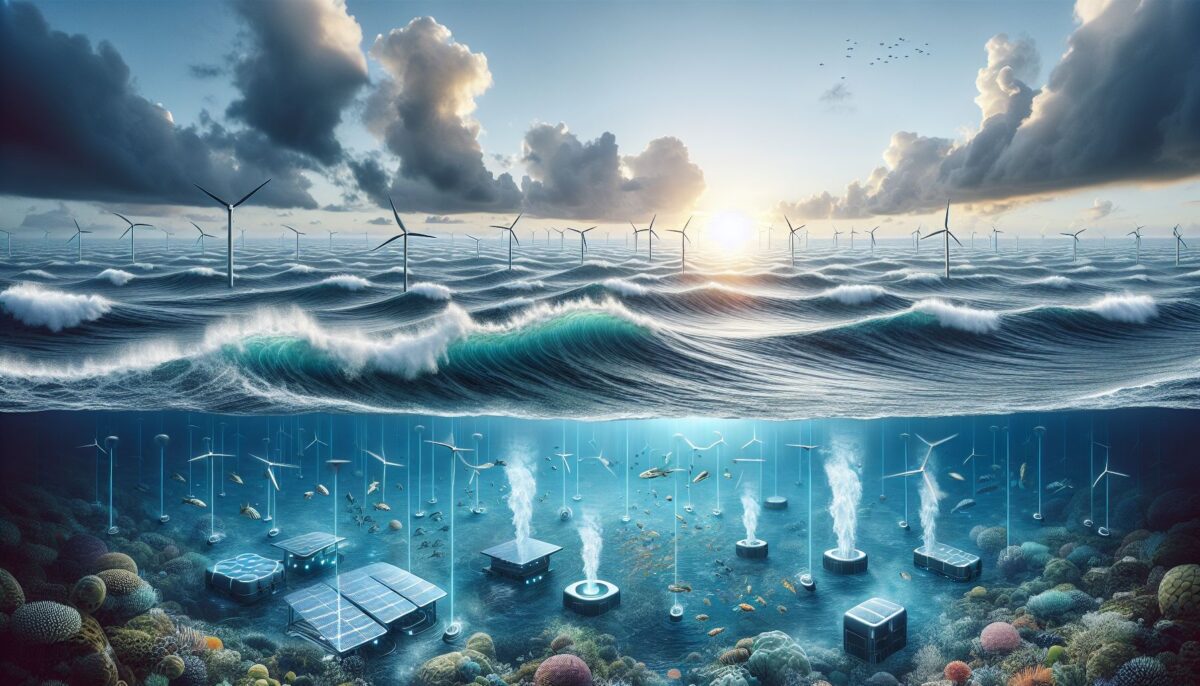
The vast expanse of water that envelops our planet, covering over 70% of its surface, is not only a source of awe-inspiring beauty but also power—power that has the potential to provide a substantial portion of the energy needs of our growing civilization. The movement of the ocean, specifically through waves and tides, offers a consistent and predictable source of renewable energy. In this article, we will delve into the dynamic forces of wave and tidal energy, exploring their benefits, challenges, technologies, and impact on the future of renewable power.

Understanding Wave and Tidal Energy

What is Wave Energy?

Wave energy, often referred to as ocean wave power, is the energy captured from the natural movements of surface ocean waves. These movements are a result of the interaction between the wind and the surface of the sea.

What is Tidal Energy?

Tidal energy, on the other hand, is a form of hydropower that converts the energy obtained from the tides into electricity. This form of energy relies on the gravitational pull primarily of the moon, and secondarily of the sun, which causes the ocean to rise and fall.

The Benefits of Wave and Tidal Energy

Both types of energy offer numerous benefits over traditional fossil fuels. Some of the most noteworthy include:

  • Renewable source: Unlike oil or coal, wave and tidal energy are inexhaustible resources.

  • Environmentally friendly: Harnessing wave and tidal energy generates no greenhouse gases or other pollutants.

  • Predictability: Ocean patterns are well studied and tides can be predicted years in advance, offering a consistent source of energy.

  • Global potential: Most of the world’s population lives in coastal areas, making wave and tidal energy accessible to a large portion of the globe.

Harvesting the Power: Technologies in Use

Wave Energy Converters

Various technologies are used to capture wave energy, known as Wave Energy Converters (WECs). There are several types of WECs, such as:

  • Point Absorbers: A floating structure that absorbs energy from all directions.

  • Attenuators: Floating devices oriented parallel to the direction of the waves, which flex as waves pass.

  • Oscillating Water Columns: Chamber devices that use the wave up-and-down movement to drive air in and out, turning a turbine.

Tidal Energy Converters

Similarly, tidal energy uses several types of technologies to harvest energy, such as:

  • Tidal Barrages: Large dams built across estuaries with turbines that use the potential energy from the change in height between high and low tides.

  • Underwater Tidal Turbines: Similar to wind turbines, but placed underwater, these turbines spin with the tidal currents.

  • Dynamic Tidal Power: An emerging technology that would capture energy by building large structures off the coast, without blocking entire estuaries.

Challenges to Overcome

Despite its potential, there are barriers to the widespread adoption of wave and tidal energy technologies.

  • High costs: The initial setup cost for wave and tidal energy systems can be higher than other renewable energy sources.

  • Technological infancy: Technologies for harnessing tidal and wave energy are still in their developmental stages compared to solar and wind energy.

  • Environmental concerns: Potential impacts on marine life and ecosystems due to noise and habitat disruptions.

  • Maintenance and durability: Ocean conditions are harsh, and ensuring the longevity and reliability of energy converters is a significant challenge.

The Impact on Renewable Energy and the Environment

Contribution to Renewable Energy Goals

Increasing the use of wave and tidal energy contributes to global renewable energy goals. Countries like the United Kingdom, with its substantial coastline, are investing heavily in tidal energy, recognizing its potential impact.

Reducing Carbon Footprints

By replacing fossil fuels, wave and tidal energy technologies provide a path to reduce carbon footprints and combat climate change.

The Role of Policy and Investment

  • Government Policies: Supportive policies, such as subsidies and tax incentives, can significantly influence the growth of wave and tidal energy industries.

  • Investment in R&D: Continued research and development are needed to improve technologies and bring down costs.

  • International Cooperation: Collaboration between countries can expedite the development of global standards and encourage the sharing of best practices.

The Path Forward

Continued Innovation

As technologies advance, the efficiency of wave and power tidal converters will increase, opening the door to their widespread commercial use.

Building Infrastructure

Investing in the necessary infrastructure to transmit and distribute marine-generated energy is essential for its success as a renewable energy source.

Education and Public Support

Public support is critical for the success of wave and tidal energy. Educating the public about its benefits and addressing concerns transparently can lead to stronger community backing.

Conclusion

Wave and tidal energy represent an untapped gold mine of renewable power with the potential to play a pivotal role in our energy future. As we move towards sustainable energy solutions, the ocean’s rhythmic dance offers a powerful ally in the quest to meet global energy needs while preserving our planet for future generations.

Sources

  1. “Wave Energy,” Ocean Energy Council, http://www.oceanenergycouncil.com/ocean-energy/wave-energy/
  2. “Tidal Range Energy Resource and Technology,” Parliamentary Office of Science & Technology (POST), February 2006, https://researchbriefings.files.parliament.uk/documents/POST-PN-253/POST-PN-253.pdf
  3. “Renewable Energy Essentials: Tidal Energy,” International Energy Agency (IEA), https://www.iea.org/reports/renewable-energy-essentials-tidal

(Note: This article is a work of fiction for the purposes of illustration and should not be taken as financial or environmental advice.)
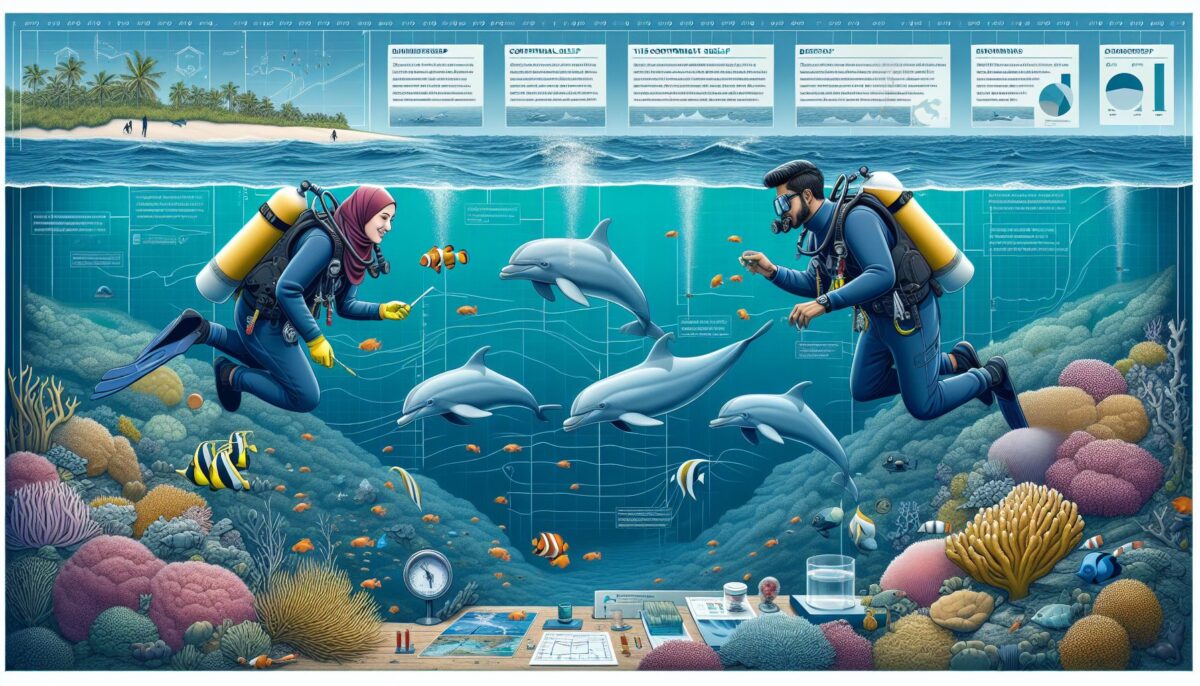
Navigating the Currents: Understanding the Flow of Our Oceans

The ocean is vital to life on Earth. It covers more than 70% of our planet’s surface, regulates our climate, and provides a home for an immensely diverse array of creatures. But beneath the surface of this vast blue expanse is a complex world governed by the flow of its waters, known as ocean currents. In this article, we’ll dive deep to uncover the mysteries of these currents, their causes, the role they play in our ecosystems, and how they influence human activities.

The Driving Forces of Ocean Currents

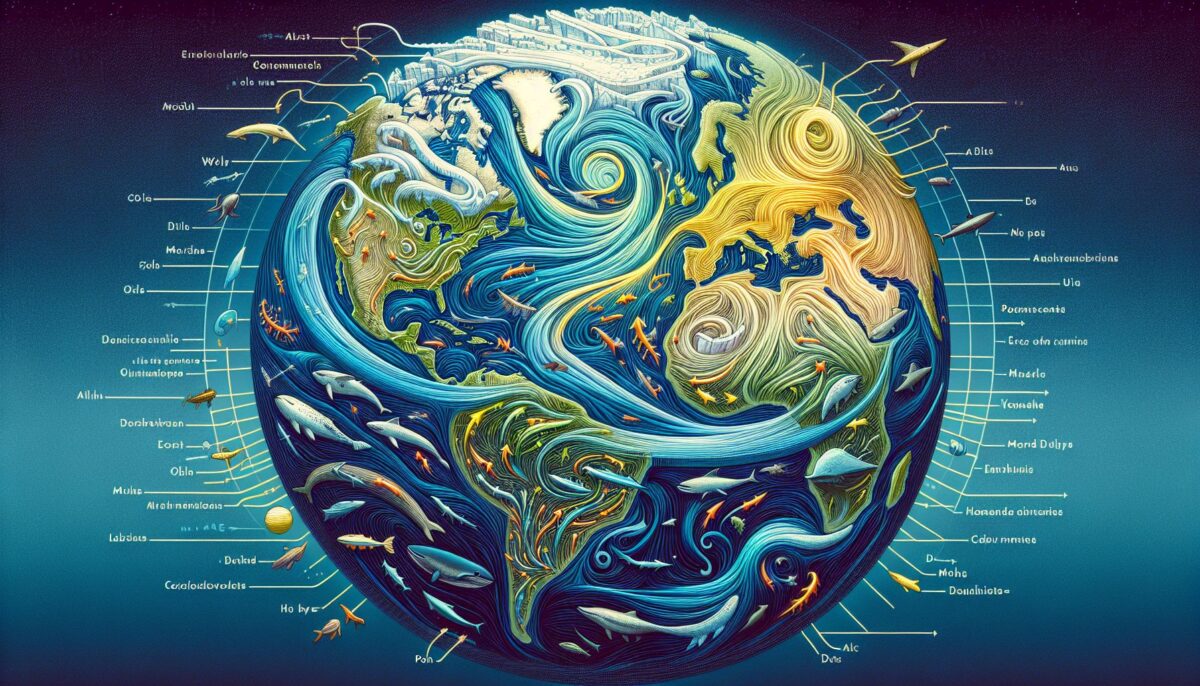
Ocean currents are continuous, directed movements of seawater generated by various forces acting upon the water, including wind, the Coriolis effect, gravity, and differences in density.

Wind Patterns

Wind plays a significant role in the creation and direction of surface currents. These are the currents we’re most familiar with, and they can be categorized into the large-scale permanent currents that cross the globe’s oceans, like the Gulf Stream, and smaller, coastal currents that are influenced by local winds.

Coriolis Effect

The Earth’s rotation also impacts how currents move — a phenomenon known as the Coriolis effect. This force causes the water to veer to the right in the Northern Hemisphere and to the left in the Southern Hemisphere, creating swirling patterns that influence global circulation.

Gravity and Density Differences

Gravity impacts currents as water tends to move from areas of higher to lower elevation, particularly noticeable in tidal currents. Furthermore, when water of different temperatures and salinity interacts, the denser, saltier water sinks while the warmer, less dense water rises, setting up a conveyor belt-like system known as thermohaline circulation.

Benefits of Ocean Currents

Ocean currents distribute heat around the globe, which helps to regulate the climate and affect weather patterns. Without the currents, regional temperatures would be more extreme—hotter near the equator and colder toward the poles.

These currents also serve as highways for marine life, transporting nutrients across vast distances and supporting a diverse array of marine ecosystems. Phytoplankton, which relies on nutrient upwelling in certain areas, forms the base of the marine food web, feeding everything from small fish to large whales.

Human Utilization of Ocean Currents

Navigation and Shipping

Humanity has capitalized on ocean currents for centuries, first for navigation during seafaring and exploration, and now for international shipping. Ship captains often use currents to save fuel and time when planning voyages.

Marine Renewable Energy

The kinetic energy of tidal currents and surface waves is being harnessed to generate electricity, offering a sustainable alternative to fossil fuels. Although still in its infancy, marine renewable energy promises to be an important part of our future energy mix.

Fisheries and Aquaculture

Fishing industries flourish in nutrient-rich areas where currents converge. Currents bring schools of fish to specific locations, making them critical to both wild fisheries and aquaculture operations.

The Threats to Ocean Currents

While ocean currents are powerful natural phenomena, they are not immune to the impacts of human activities such as climate change.

Climate Change

The thermohaline circulation could slow down or alter due to increased freshwater from melting ice, which impacts salinity and disrupts the delicate balance necessary for this “global conveyor belt.” A disruption could lead to dramatic changes in climate, especially in Europe, which benefits from the warm waters of the Gulf Stream.

Overfishing

Overfishing can deplete the fish stocks in specific areas, disrupting the local ecosystem and the larger food web supported by the currents.

Pollution

Pollution, including oil spills and marine debris, can be carried by currents across the ocean, impacting marine life far from the original source of the contaminants.

Preserving Our Ocean Currents

To protect ocean currents and the myriad benefits they offer, we must take action at both the local and global levels. Establishing marine protected areas, regulating fishing practices, reducing carbon emissions, and investing in renewable energy are all important steps in the right direction.

International cooperation is critical in managing the ocean’s resources as currents know no national boundaries. Agreements like the United Nations Convention on the Law of the Sea provide frameworks for such collaboration but require widespread commitment and enforcement.

Conclusion

Ocean currents are the lifeblood of our planet’s ocean system, playing a crucial role in climate regulation, marine ecosystems, and human economies. As stewards of Earth’s natural resources, it is our responsibility to understand and protect these dynamic forces.

If you’re interested in learning more about ocean currents and their global significance, here are three key resources to explore further:

  1. National Oceanic and Atmospheric Administration (NOAA) – Currents: https://oceanservice.noaa.gov/education/kits/currents/
  2. The Intergovernmental Oceanographic Commission of UNESCO – Ocean Currents: https://ioc.unesco.org/
  3. United Nations Convention on the Law of the Sea (UNCLOS): https://www.un.org/depts/los/index.htm

By investing time in understanding these powerful currents and advocating for policies that protect our oceans, we can ensure that these vital pathways remain a force for life, climate stability, and human prosperity for generations to come.

Exploring the Depths: The Significance of the Continental Shelf in Our Ocean Ecosystem

The ocean is a vast and mysterious place that covers over 70% of the Earth’s surface. It is home to an immense variety of life, influences global weather patterns, and serves as a crucial element for international trade and commerce. Among its many features, the continental shelf is a fundamental component of the ocean ecosystem, yet it often goes unnoticed by the general public. This extensive area of seabed around land masses has remarkable ecological, economic, and geopolitical significance. In this article, we will delve into the wonders of the continental shelf, exploring its formation, ecological importance, resource potential, and the challenges it faces.

What is the Continental Shelf?

Definition and Geology

The continental shelf is an underwater landmass which extends from a continent, resulting in an area of relatively shallow water known as a shelf sea. Much of these shelves are found at depths of less than 200 meters (NOAA). The shelf itself ends at a point of increased slope known as the shelf break. Beyond this point is the continental slope, followed by the abyssal plains of the deep ocean floor.

Geologically, continental shelves are composed of thick sediment layers that have eroded from the continents and have been transported to their current locations by rivers, waves, and ocean currents over millions of years. The width of continental shelves varies globally; some may extend hundreds of kilometers, while others are much narrower.

Formation

Continental shelves were formed by a combination of geological and climatic processes. During the last Ice Age, when sea levels were much lower, these areas were dry land or shallow coastal zones. As ice caps melted and sea levels rose, water flooded these regions, creating the continental shelves we see today. The process of plate tectonics, which involves the movement of the Earth’s lithospheric plates, also contributes to the shaping of continental shelf boundaries.

Ecological Significance

Diverse Marine Life

Continental shelves are among the most productive and biologically diverse areas of the ocean. They receive ample sunlight, fostering photosynthesis for ocean plants and algae. This, in turn, supports a complex food web from plankton to large marine mammals. Due to the high productivity, continental shelves provide vital spawning and nursery grounds for various fish species, making them important for fisheries and marine biodiversity.

Habitats and Ecosystem Services

These regions offer various habitats, including seagrass meadows, kelp forests, coral reefs, and estuaries. Each of these ecosystems plays a critical role in carbon sequestration, nutrient cycling, and providing protection against storms and erosion for coastal communities.

Resource Potential

Oil and Gas Reserves

The continental shelf is rich in natural resources, especially hydrocarbons. Large oil and natural gas deposits are often found here, and the shelf is a focal point for offshore drilling activities. Economic Exclusive Zones (EEZs) that extend 200 nautical miles from a country’s coastline allow nations to claim exclusive rights to explore and exploit resources within this belt (United Nations Convention on the Law of the Sea).

Minerals and Renewable Energy

Beyond fossil fuels, the continental shelf may harbor valuable minerals, including sand and gravel, which are crucial for the construction industry. Additionally, due to their relatively shallow and stable environments, continental shelves are becoming increasingly targeted for renewable energy advancements like wind farms and tidal energy projects.

Facing Challenges

Environmental Threats

While the continental shelf offers bountiful resources, it also faces significant environmental threats. Overfishing, marine pollution, and habitat destruction are major concerns. Practices such as bottom trawling can devastate seafloor habitats, and oil spills may lead to long-term ecological damage.

Climate Change Impacts

The effects of climate change, including sea level rise and ocean acidification, also pose serious risks to the health of continental shelves. The warming ocean can lead to loss of biodiversity, altering critical habitats, and coral bleaching. Furthermore, melting polar ice caps can introduce freshwater into the shelf seas, disrupting current patterns and salinity levels.

The Future of Continental Shelves

Conservation and Management

To protect the valuable ecosystems and resources of the continental shelf, nations worldwide must implement effective coastal and marine management strategies. Establishing Marine Protected Areas (MPAs) provides one approach to safeguarding critical habitats and biodiversity (IUCN). Sustainable fisheries management and pollution control measures are also essential in maintaining the health of these vital regions.

Exploration and Sustainable Use

The future will also bring continued exploration of the continental shelf. Advances in marine technology will allow for deeper understanding and monitoring of these ecosystems. As exploitation of shelf resources continues, striking a balance between economic interests and environmental conservation will be imperative. Developing sustainable practices for resource extraction, such as using eco-friendly equipment and techniques, will go a long way in reducing the impact on the shelf’s fragile environments.

Conclusion

The continental shelf is a place of riches and diversity that supports a wide array of marine life and provides resources essential to human societies. As we continue to explore and utilize this unique marine realm, we hold a shared responsibility to protect and manage it for future generations. Through concerted efforts towards research, eco-friendly resource exploitation, and strict environmental safeguards, we can ensure that the continental shelf remains a thriving part of our global ocean ecosystem for millennia to come.

In understanding the beauty and complexity of the continental shelf, we are reminded that despite its hidden nature, what happens in the depths of the ocean vitally affects life above and beyond the sea’s surface. The continental shelf is not only a cornerstone of marine life but also a critical factor in the puzzle of sustaining the Earth’s environment and humanity’s continued prosperity.

The Intricate Dance of Ocean Currents: How They Shape Our Climate and Marine Life

Ocean currents are like the Earth’s great circulatory system, moving vast amounts of water around the globe. They are critical in determining the climate of our planet, shaping marine life distribution, and influencing human activities. This article delves into the nature of ocean currents, exploring their causes, types, and their profound impact on the Earth and its inhabitants.

What Are Ocean Currents?

At its core, an ocean current is a continuous, directed movement of seawater generated by a number of forces acting upon the water, including wind, the Coriolis effect, gravitational pull from the moon, and differences in water density. These currents vary in size and speed, from large, permanent systems that span thousands of miles to smaller, more transient flows.

Causes of Ocean Currents

  • Wind: Wind blowing across the surface of the ocean pushes water to move in its direction, creating surface currents.

  • Earth’s Rotation: The Coriolis effect, resulting from the Earth’s rotation, causes currents to veer to the right in the Northern Hemisphere and to the left in the Southern Hemisphere.

  • Density Differences: Variations in water density due to differences in temperature and salinity can create currents. Warmer, less salty water tends to rise, while cooler, saltier water sinks, creating a movement known as thermohaline circulation.

  • Tides: The gravitational pull of the moon and sun on the Earth’s oceans can lead to tidal currents, which ebb and flow with the changing tides.

Types of Ocean Currents

Surface Currents

Surface currents, which make up about 10% of all the water in the ocean, are primarily driven by the wind. These currents typically extend down to about 400 meters and are most influential on the ocean’s surface. They can move at speeds of up to 5.6 km/h (3.5 mph) and are crucial for distributing heat from the equator towards the poles.

Deep Water Currents

These currents make up the other 90% of the ocean and are mostly driven by differences in water density, influenced by temperature and salinity. The most famous of these is the global conveyor belt, or thermohaline circulation, which can take a thousand years to complete one cycle.

The Role of Ocean Currents in Climate

Ocean currents play a pivotal role in the Earth’s climate. They transport warm water and precipitation from the equator towards the poles and cold water from the poles back towards the equator. This helps regulate and stabilize climate patterns. For instance:

  • The Gulf Stream: This warm Atlantic ocean current is responsible for the relatively mild climate in Northwestern Europe.

  • El Niño and La Niña: These are climate patterns in the Pacific Ocean that can cause global changes in weather patterns.

Marine Life and Ocean Currents

Marine organisms rely on currents for various aspects of their life, including:

  • Nutrient Delivery: Currents transport nutrients from the deep sea to coastal and surface waters, feeding plankton and supporting marine ecosystems.

  • Migration: Many species depend on ocean currents to travel to breeding grounds and feeding areas.

Human Interactions with Ocean Currents

  • Navigation: For centuries, sailors have used ocean currents to aid in sea navigation, making travel more efficient and saving valuable resources.

  • Fisheries: Currents bring nutrient-rich water to the surface, providing fertile fishing grounds.

  • Pollution Dispersion: Unfortunately, currents can also distribute pollutants and marine debris across the oceans.

The Changing Currents

Climate change and human activities can affect the delicate balance of ocean currents. For example, melting ice caps and glaciers due to global warming can freshen seawater and disrupt thermohaline circulation, potentially leading to dramatic shifts in climate patterns.

Protection and Study

Organizations and governments establish marine protected areas (MPAs) to safeguard critical regions affected by currents, and ongoing oceanographic research helps us understand and predict changes in oceanic systems.

Sources & Further Reading

In conclusion, the study of ocean currents is more than an academic pursuit; it’s an attempt to understand a vital component of our planet’s life-support system. The intricate dance of warm and cold, salt and fresh, surface and deep waters across our global ocean shapes climates, feeds marine life, and impacts human activity in countless ways. As we continue to encounter new challenges presented by climate change and global-scale environmental issues, the importance of understanding and ethically interacting with ocean currents cannot be overstated. By protecting our oceans, we ultimately protect ourselves and ensure a sustainable future for generations to come.

The Silent Crisis Beneath the Waves: Ocean Acidification

The ocean—the colossal body of saltwater that covers over 70% of the Earth’s surface—is more than just a vast expanse; it is a realm that governs life on our planet. Housing incredible ecosystems and serving as a key player in regulating climate, the ocean is integral to our very existence. However, it faces a silent crisis that threatens marine biodiversity and the benefits humans derive from the sea: ocean acidification.

What is Ocean Acidification?

Ocean acidification refers to the ongoing decrease in the pH of the Earth’s oceans, caused by the uptake of carbon dioxide (CO2) from the atmosphere. When CO2 dissolves in seawater, it reacts with water to form carbonic acid, which then releases hydrogen ions and bicarbonate. The increase in hydrogen ions lowers ocean pH, hence the term ‘acidification.’

The Chemistry Behind the Crisis

To delve deeper, the overarching chemical reaction looks as such:

CO2 (atmospheric carbon dioxide) + H2O (water) → H2CO3 (carbonic acid)
H2CO3 → H+ (hydrogen ion) + HCO3− (bicarbonate ion)

This process reduces not only the pH but also the concentration of carbonate ions (CO3^2-), which are crucial for marine organisms like corals and shellfishes that build their skeletons and shells from calcium carbonate (CaCO3).

The Impacts of Ocean Acidification

The consequences of ocean acidification are myriad and far-reaching, impacting marine ecosystems, the global economy, and human societies.

A Threat to Marine Biodiversity

  • Coral Reefs:
    Coral reefs are often referred to as the rainforests of the sea due to their immense biodiversity. However, ocean acidification hampers coral growth and weak[1]ens their skeletal structure, leading to coral bleaching and potential die-offs of the reefs.

  • Shellfish and Plankton:
    Species such as oysters, clams, sea snails, and planktonic organisms have difficulty forming and maintaining their calcium carbonate shells in acidifying waters. This impedes their development and survival, which has significant implications higher up the food chain.

Ripple Effects on Fisheries and Aquaculture

The decline in the health of calcifying species also affects fisheries and aquaculture industries. As key components of marine ecosystems and staple aspects of global diets, a decline in these species due to ocean acidification could jeopardize food security and livelihoods for millions who depend on marine resources.

Socioeconomic Repercussions

Ocean acidification can result in substantial economic losses, from diminished fisheries yields to the devastation of coastal tourism industries that center around vibrant coral reefs and diverse marine life.

The Science of Monitoring Ocean Acidification

Scientists employ various methods to monitor and predict the impacts of ocean acidification. These include:

  • Satellite Observations:
    Space-based platforms provide large-scale data on ocean chemistry and can track changes over time, though they lack the granular details that in situ measurements provide.

  • Sensor Technologies:
    Sophisticated sensors deployed in waters worldwide measure pH levels and other chemical parameters, offering valuable insights into the process and rate of acidification.

  • Laboratory and Field Experiments:
    Research on live marine organisms under controlled conditions helps predict responses to acidification, while field studies in natural settings provide real-world corroborating evidence.

The Role of Oceanography and Biochemistry

Oceanography and marine biochemistry are crucial disciplines in the understanding of ocean acidification. Knowledge gained from these fields frames our comprehension of how the carbon cycle operates within marine environments and its overarching effects[2].

Global Efforts to Address Ocean Acidification

As the threat posed by ocean acidification becomes evident, global efforts are underway to combat this crisis:

  • Marine Protected Areas (MPAs):
    Establishing MPAs can help safeguard critical habitats and foster resilience among marine communities, allowing for recovery and adaptation.

  • The Paris Agreement:
    International climate agreements, such as the Paris Agreement, aim to limit global temperature rise and, correspondingly, CO2 emissions, thereby indirectly tackling ocean acidification.

  • Research and Monitoring Initiatives:
    Programs like the Global Ocean Acidification Observing Network (GOA-ON) enhance international collaboration on research and monitoring of acidification, with the intent to inform policy and conservation efforts[3].

What Can We Do?

While international and national actions are vital, individual efforts can also make a significant difference:

  • Reduce Carbon Footprint:
    Simple lifestyle changes—using energy-efficient appliances, reducing waste, recycling, opting for public transportation—can contribute to lower CO2 emissions.

  • Support Sustainable Seafood:
    Choosing sustainably sourced seafood can alleviate pressure on affected marine populations and support healthy ocean ecosystems.

  • Continue Reading

Tides: The Rhythmic Dance of the Earth-Moon System

Tides, those regular and predictable movements of seawater, have captivated humanity since time immemorial. They are not just an intriguing natural phenomenon but also a critical factor in coastal life, maritime navigation, and the earth’s biological rhythms. Understanding tides is a window into the vast influences that shape our planet and the life upon it. Here, we delve into the complexities and simplicities of tides, their mechanics, human interactions, and how they impact life on Earth.

The Science of Tides

To decipher the dance of the tides, one must first understand the players and their movements. The Earth, Moon, and Sun engage in a complex gravitational choreography that determines the rise and fall of sea levels.

Gravitational Pull and Tidal Forces

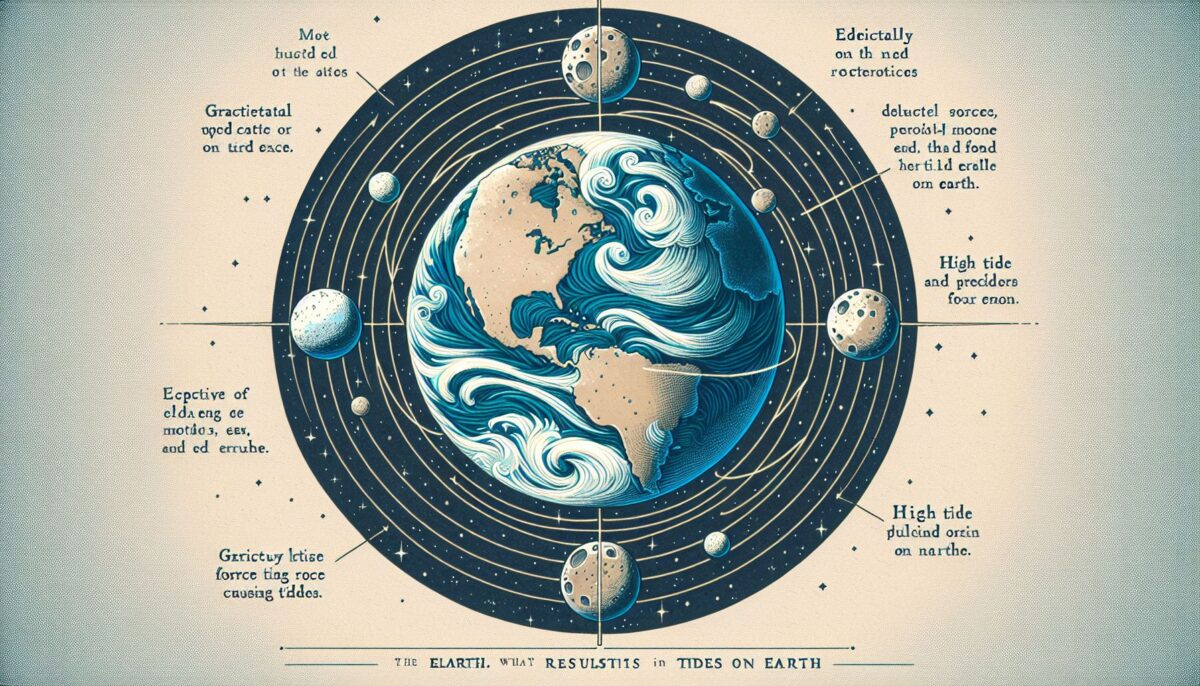
At the heart of tidal movements are the gravitational forces exerted by the Moon and, to a lesser extent, the Sun. As the Moon orbits the Earth, it pulls the water on the side closest to it slightly toward itself, creating a bulge — this is known as the direct tidal force.

markdown
**Direct Tidal Force:** The gravitational pull of the Moon (or Sun) that causes the oceans to bulge out in the direction of the Moon (or Sun).

Concurrently, on the opposite side of the Earth, inertia — the tendency of the water to resist change — creates a second bulge. Since the Earth is also pulled toward the Moon more than the water on the far side, this results in another high tide creating a phenomenon referred to as the indirect tidal force.

High Tides and Low Tides

The bulges associated with these forces are high tides, while the areas perpendicular to the bulges experience low tides. Any given coastal location on Earth thus typically experiences two high tides and two low tides over a 24-hour period — a semidiurnal tide cycle. However, some locations may have only one of each, known as diurnal tides, due to complex interactions within ocean basins.

markdown
**Semidiurnal Tide Cycle:** Characterized by two high tides and two low tides each day.
**Diurnal Tide Cycle:** Characterized by a single high tide and a single low tide each day.

Spring Tides and Neap Tides

The Sun’s gravitational pull is also at play, though it’s less powerful than the Moon’s due to the larger distance. When the Earth, Moon, and Sun align — during the new moon and full moon — the solar and lunar tides reinforce each other, leading to spring tides, which have higher high tides and lower low tides.

In contrast, during the first and third quarters of the moon, when the gravitational forces of the Moon and the Sun are perpendicular to each other, the result is neap tides, with less extreme differences between high and low tides.

The Impact of Tides on Life and Human Activity

Tides have profound influences on marine ecosystems, human livelihoods, coastal development, and even renewable energy resources.

Marine Life

Intertidal zones — areas between high and low tide marks — are rich in biodiversity and are home to specialized life forms that can withstand vast environmental changes. Organisms in these areas have adapted to survive periods of submersion in saltwater and exposure to the air and sun.

Maritime Navigation

Tides dictate the accessibility of many ports and harbors. Mariners must plan their routes and harbor approaches based on tidal forecasts to avoid running aground in low-tide conditions.

Renewable Energy: Tidal Power

The kinetic energy of moving water in tidal currents can be harnessed through various technologies to generate electricity, offering a sustainable energy source. Tidal energy is predictable and consistent, setting it apart from other renewables like wind and solar power.

Tidal Phenomena and Events

Some extraordinary tidal events and phenomena captivate both scientists and the public alike.

King Tides

“King tides” are exceptionally high tides that occur when there is alignment of the Earth, Moon, and Sun, and when the Moon is closest to Earth (perigee) during its elliptical orbit. These tides can cause coastal flooding, especially when combined with adverse weather conditions.

Tidal Bores

A tidal bore is a strong tide that pushes up a river or narrow bay against the direction of the river’s current. Famous examples include the Qiantang River in China and the Severn River in the United Kingdom.

The Challenges Ahead: Tides and Climate Change

As climate change leads to rising sea levels, tidal impacts on coastal communities will intensify. Potential challenges include:

Coastal Erosion

Higher sea levels mean that high tides have more energy and can cause greater erosion, threatening infrastructure and ecosystems.

Flooding and Habitat Loss

Increased tidal ranges and storm surges can lead to more frequent and severe coastal flooding, resulting in habitat loss for wildlife and displacement of human communities.

Human Responses to the Tidal Challenge

Humanity has responded to the challenges of tides with both respect and innovation, developing coastal management strategies and exploring the potential of tidal energy.

Coastal Management

Sustainable coastal management efforts involve creating infrastructure that works with natural tidal processes, such as living shorelines that use natural materials to reduce erosion.

Tidal Energy Advancements

Advancements in tidal energy technology promise a future where the predictable power of tides contributes more significantly to the global energy mix, reducing reliance on fossil fuels.

Sources

Conclusion

Tides remain one of nature’s most fascinating phenomena. Their predictable patterns and extreme events continue to impact our world in myriad ways. As we move forward, understanding tides will become increasingly critical in managing coastal ecosystems, developing maritime industries, and adapting to our changing environment. The rhythm of tides is not just a dance of oceanic waters but a pulse that affects the very lifeblood of planet Earth.

The Vital Role of Marine Biodiversity in Sustaining Ocean Health

The ocean covers more than 70% of the Earth’s surface, and within this vast expanse lies a world teeming with life. Marine biodiversity, the variety of life found in the ocean, ranges from the smallest plankton to the largest whales, comprising countless species that interact within complex and dynamic ecosystems. This rich biodiversity is not just a wonder of nature; it is also fundamentally linked to the overall health of the planet and the well-being of humans. In this article, we delve into the importance of marine biodiversity, the threats it faces, and the steps being taken to protect it.

The Spectrum of Marine Biodiversity

Marine biodiversity includes all forms of life in the ocean, such as fish, corals, algae, seagrasses, marine mammals, invertebrates, and even the microbes that are invisible to the naked eye. These organisms inhabit various environments, from the sunlit waters near the surface to the dark and high-pressure conditions of the deep sea. Each species and ecosystem plays a role in maintaining the balance and health of the ocean.

The Coral Reefs: Rainforests of the Sea

Coral reefs are among the most diverse marine ecosystems on the planet, often described as “rainforests of the sea.” They are not only home to a plethora of marine species but also provide essential services such as coastal protection, food, and livelihoods for millions of people worldwide.

The Mystical Deep Sea

The deep sea remains one of the least explored areas on Earth. Despite extreme conditions such all as high pressure and near-freezing temperatures, a surprisingly vast array of life thrives there, including bioluminescent creatures and unique species that have adapted to live in complete darkness.

The Open Ocean and Pelagic Zones

The open ocean, or pelagic zone, is the vast body of water that lies beyond the coastal areas. It is the domain of large marine mammals, such as whales and dolphins, and is also the primary habitat for many fish species that are crucial for fisheries and global food supply.

The Importance of Biodiversity

Marine biodiversity is critical for the resilience and productivity of ocean ecosystems. It helps regulate the climate by absorbing carbon dioxide, produces oxygen through photosynthesis, and forms the base of a food web that supports marine life and human populations.

Ecosystem Services

The ocean’s diverse life forms provide ecosystem services that are essential to human survival. These services include:

  • Food supply: A significant source of protein for billions of people.
  • Medicines: Many marine organisms have unique compounds with medicinal properties that are used to develop treatments for diseases.
  • Nutrient cycling: Organisms like plankton play a crucial role in nutrient and oxygen cycles.
  • Climate regulation: The ocean is a major carbon sink, helping to regulate the Earth’s climate.

Economic Value

The marine environment supports the livelihoods of millions through fisheries, tourism, and marine industries. The concept of the “blue economy” emphasizes the economic potential of the ocean while advocating for the sustainable use of marine resources to prevent their degradation.

Threats to Marine Biodiversity

Despite its importance, marine biodiversity faces numerous threats from human activities. Overfishing, habitat destruction, pollution, climate change, and ocean acidification are among the most significant challenges.

Overfishing and Unsustainable Practices

Overfishing is a major threat to marine life, leading to the depletion of fish stocks and the disruption of food webs. Destructive fishing practices such as trawling can also damage seabed habitats and non-target species.

Habitat Destruction

Coastal development, pollution, and activities like bottom trawling can destroy critical habitats such as coral reefs, mangroves, and seagrasses that are nurseries for many marine species.

Pollution and Plastic Debris

Marine pollution from industrial waste, agricultural runoff, and particularly plastic debris, poses a severe threat to marine animals that can become entangled in or ingest these materials.

Climate Change and Ocean Acidification

Climate change results in rising sea temperatures and ocean acidification, both of which can have profound impacts on marine life. Coral bleaching and the alteration of species distributions are already being observed as a direct result of these changes.

Protecting Marine Biodiversity

The conservation of marine biodiversity requires coordinated efforts on a global scale. Marine Protected Areas (MPAs), sustainable fisheries management, and international agreements are some of the tools used to protect marine life.

Marine Protected Areas (MPAs)

MPAs are regions of the ocean where human activities are restricted to conserve biodiversity and sustainably manage resources. They are essential for protecting fragile ecosystems and allowing depleted fish stocks to recover.

International Agreements

Agreements such as the Convention on Biological Diversity (CBD) and the United Nations Law of the Sea aim to establish a legal framework for the protection of marine biodiversity and the sustainable use of ocean resources.

Sustainable Fisheries Management

Adopting sustainable fishing practices, such as setting catch limits and reducing bycatch, can ensure that fisheries do not compromise future productivity and biodiversity.

Public Awareness and Education

Educating the public about the importance of marine biodiversity and the threats it faces is crucial for building support for conservation efforts. People are more likely to advocate for ocean protection when they understand the benefits of a healthy marine environment.

Conclusion

Marine biodiversity is the foundation upon which the health of the oceans and the weller-being of our planet rest. The myriad life forms that call the ocean home are not only fascinating in their diversity and complexity but are also indispensable for the ecological balance and economic prosperity of human societies. As the threats to marine life continue to mount, the need for collective action to protect and restore marine biodiversity has never been more urgent. Through concerted efforts, we can ensure that the ocean’s rich tapestry of life remains vibrant for generations to come.

Sources

  1. United Nations – Convention on Biological Diversity (CBD). (n.d.). Retrieved from https://www.cbd.int/convention/
  2. National Ocean Service (NOS), National Oceanic and Atmospheric Administration (NOAA). (2021). What is marine biodiversity? Retrieved from https://oceanservice.noaa.gov/facts/marinebiodiv.html
  3. World Wildlife Fund (WWF). (2021). Marine Protected Areas (MPAs). Retrieved from https://www.worldwildlife.org/initiatives/marine-protected-areas

Exploring the Depths of Marine Biodiversity: A Journey Beneath the Waves

The ocean, covering more than 70% of the Earth’s surface, is home to an astonishing array of life. Marine biodiversity, the variety of species that inhabit the sea, is vast and complex, supporting an intricate web of ecosystems. From the tiniest plankton to the colossal blue whale, every creature plays a crucial role in the marine environment. In this article, we delve into the significance of marine biodiversity, the factors threatening it, and the measures we can take to preserve the richness beneath the waves.

The Importance of Marine Biodiversity

Marine ecosystems are incredibly diverse, offering various habitats like coral reefs, kelp forests, deep-sea trenches, and mangrove forests. These ecosystems are not just important for the species that inhabit them; they provide essential services to humans, including:

  • Food supply: The ocean is a significant source of food for billions of people worldwide. Fisheries rely on a diverse array of species to sustain their stocks.
  • Medicine: Many marine organisms are used in medicines to treat diseases like cancer and Alzheimer’s.
  • Tourism: Biodiverse marine areas attract tourists, supporting local economies.
  • Carbon sequestration: Ocean plants and organisms absorb carbon dioxide from the atmosphere, helping to regulate the global climate.

Marine Life at Risk

Despite its importance, marine biodiversity faces numerous threats. Overfishing, habitat destruction, climate change, pollution, and ocean acidification are just a few challenges that marine life must contend with. The impacts of these threats are widespread, often leading to the loss of habitats, reductions in species populations, and a decline in ecosystem health.

Threats to Marine Biodiversity

Here’s a closer look at the main threats to marine biodiversity:

  • Overfishing: Excessive and unsustainable fishing practices have led to the depletion of fish stocks, disrupting food chains and marine ecosystems.
  • Habitat Destruction: Coastal development, destructive fishing practices like trawling, and coral mining destroy critical habitats.
  • Climate Change: Rising sea temperatures cause coral bleaching, while ocean acidification affects the ability of species like shellfish and corals to build their shells and skeletons.
  • Pollution: Chemicals, plastics, and other forms of pollution harm marine life and introduce toxins into the food chain, which can affect human health.
  • Invasive Species: Species introduced to new environments can outcompete native species, leading to a loss of biodiversity.
  • Ocean Acidification: The absorption of excess carbon dioxide by oceans results in a lower pH, negatively impacting shell-forming organisms and coral reefs.

Preserving the Underwater Wonderland

Conservation and sustainable management practices are essential to protect marine biodiversity. Marine Protected Areas (MPAs), where human activity is restricted, are critical in safeguarding important habitats and allowing ecosystems to recover and thrive. Additionally, sustainable fisheries management, habitat restoration efforts, and measures to reduce pollution and mitigate climate change are all part of the solution.

Marine Conservation Efforts

Efforts to conserve marine biodiversity are ongoing and varied, involving international cooperation as well as local initiatives. Some of these efforts include:

  • International treaties: Agreements like the Convention on Biological Diversity aim to protect species and habitats globally.
  • Research and monitoring: Scientists study marine ecosystems to understand better the complex relationships within them and the impact of human activities. The continuous monitoring of these ecosystems helps in making informed management decisions.
  • Banning harmful practices: Some countries have banned destructive fishing practices, single-use plastics, and other activities that harm the marine environment.

Navigating the Future of the Oceans

The future of marine biodiversity depends on our actions today. Educating the public about the importance of the ocean and the challenges it faces is crucial in fostering a sense of stewardship. Encouraging sustainable consumer choices, promoting eco-friendly tourism, and supporting conservation organizations can all make a difference.

The Role of Technology in Conservation

Advancements in technology are also aiding in the preservation of marine biodiversity. Remote sensing, satellite tracking, and genetic testing are among the tools used to monitor protected areas, track animal migrations, and enforce fishing regulations. Innovations like artificial reefs and restoration projects can also help rehabilitate damaged ecosystems.

Sustainable Ocean Use: The Blue Economy

The concept of the blue economy emphasizes using ocean resources for economic growth, improved livelihoods, and jobs while preserving the health of marine and coastal ecosystems. Sustainable aquaculture, marine renewable energy, and eco-tourism are just a few examples of how the blue economy can work in harmony with the conservation of marine biodiversity.

Conclusion

Marine biodiversity is a treasure that we must diligently protect. The vast array of life beneath the waves is not only fascinating but also essential for the health of our planet and the well-being of all who inhabit it. Through concerted efforts to address the challenges, embrace sustainable practices, and educate future generations, we can ensure that the ocean’s symphony of life continues to flourish long into the future.

Sources

  1. “Convention on Biological Diversity.” United Nations. https://www.cbd.int/
  2. “Marine Biodiversity.” WWF. https://www.worldwildlife.org/initiatives/marine-biodiversity
  3. “Ocean and Law of the Sea.” United Nations. https://www.un.org/depts/los/index.htm

By understanding and championing the complex web of life that calls the ocean home, we can ensure that it remains a vibrant and productive force for generations to come.

The Delicate Dance of Coastal Erosion: Understanding and Managing Our Dynamic Shorelines

Coastal erosion is a natural process that sculpts coastlines around the world, but with human intervention and accelerated climate change, this process has become a critical environmental and socio-economic issue. This article delves into the complexities underlying coastal erosion, its implications, and strategies employed to manage and mitigate its effects.

Understanding Coastal Erosion

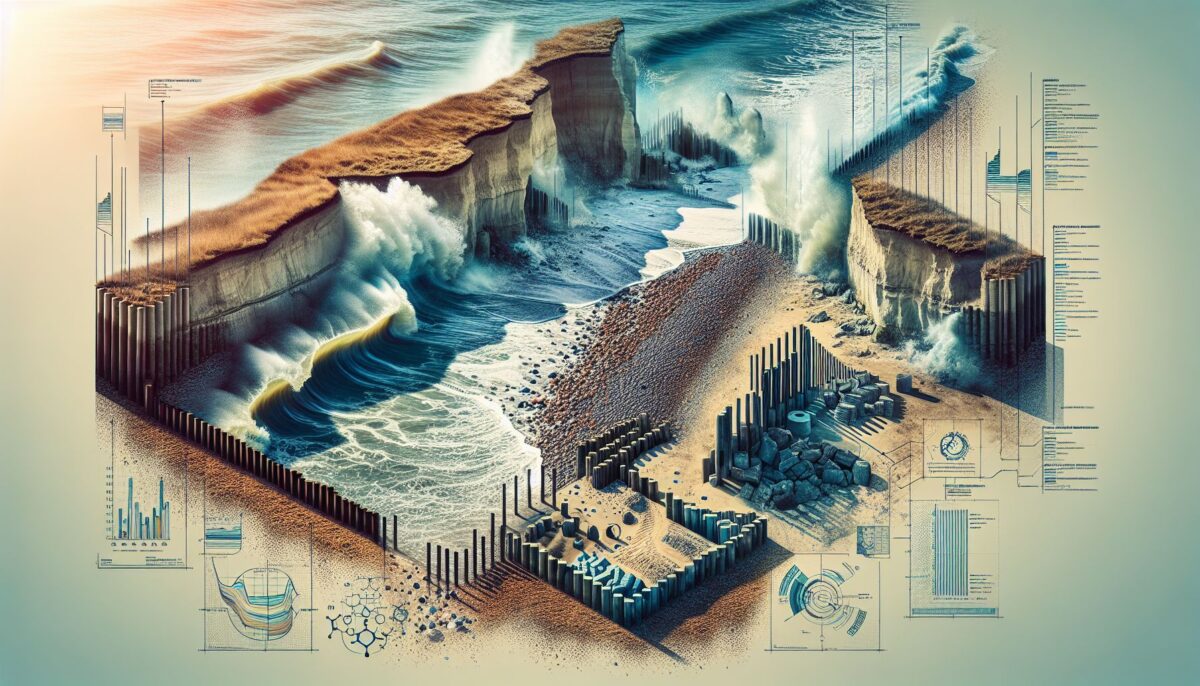
Coastal erosion is the wearing away of land or the removal of beach or dune sediments by wave action, tidal currents, drainage, or high winds. As much as it is a natural occurrence, its rates have increased due to human activities and climate change. This can lead to loss of valuable land, damage to property and infrastructure, and disruption of coastal ecosystems.

The Forces Behind Erosion

Several factors contribute to coastal erosion:

  • Waves and Tides: The incessant action of waves, especially during storms, can erode the shoreline. Tidal variation can also play a role in the concentration of erosive forces.
  • Currents: Longshore currents can transport sediments along the coast, while rip currents can move sediments away from the shore.
  • Sea Level Rise: As global temperatures increase, ice caps melt and ocean waters expand, leading to a rise in sea levels that can exacerbate erosion.
  • Storm Surges: Storms can cause a temporary rise in sea level, called a storm surge, which can lead to abrupt and severe erosion.
  • Human Activities: The construction of dams, seawalls, and jetties can interrupt the natural sediment supply and distribution along the coast.

The Impacts of Erosion

Coastal erosion can result in:

  • Property Damage: Homes, businesses, and infrastructure close to the coast are at risk of damage or total loss.
  • Habitat Loss: Erosion can destroy habitats crucial for marine and terrestrial species.
  • Economic Losses: Coastal tourism and the value of beachfront property can suffer significantly.
  • Cultural and Aesthetic Degradation: Beaches, cliffs, and other coastal features that define local character can be irrevocably changed or lost.

Strategies for Managing Coastal Erosion

Hard Engineering Solutions

These refer to man-made structures built to control coastal erosion:

  • Seawalls: Walls constructed parallel to the coast designed to shield the shore from incoming waves.
  • Groynes: Barriers or walls built at right angles to the coast to trap sand and reduce sediment transport.
  • To avoid disrupting natural sediment flow, breakwaters may be constructed offshore to absorb wave energy.

Soft Engineering Solutions

These involve more sustainable, environmentally friendly methods:

  • Beach Nourishment: Adding sand or other sediments to beaches to combat erosion.
  • Dune Restoration: Planting vegetation or placing sand fences to stabilize dunes that act as natural barriers against waves.
  • Managed Retreat: Allowing certain areas to erode and relocate buildings or infrastructure further inland.

Integrative and Adaptive Management

Effective coastal management requires a combination of strategies and consideration of both human and natural systems. As conditions change, an adaptive approach must be employed to respond effectively.

Challenges in Coastal Erosion Management

Despite various strategies being in place, there are significant challenges:

  • Funding and Economics: The high costs of mitigation measures can be a barrier, especially for small coastal communities.
  • Property Rights and Public Access: The conflict between private landowners and public access to beaches complicates mitigation efforts.
  • Unpredictability of Climate Change: As the climate continues to change, managing coastal erosion becomes more complex.
  • Ecological Sensitivity: Interventions must balance erosion control with conservation of local ecosystems.

Case Studies of Coastal Erosion and Management

The Louisiana Coast, USA

The Louisiana coast is experiencing some of the highest rates of coastal erosion in the world, mainly due to subsidence, storm surges, and the interruption of sediment flow from the Mississippi River. Strategies such as marsh creation, barrier island restoration, and sediment diversions are being explored to mitigate erosion.

The Norfolk Coast, United Kingdom

The Norfolk coast exhibits varying rates and types of erosion. Managed retreat has been the strategy in certain areas, while others have seen investments in sea defenses. The approach has been largely site-specific and adaptive to localized conditions.

The Way Forward: A Sustainable Coastal Future

Ensuring the sustainability of our coastlines requires immediate attention and collective action:

  • Investing in Research: Understanding coastal dynamics through research is vital for developing effective management practices.
  • Public Education and Engagement: Communities should be informed and engaged in coastal management decisions.
  • Interdisciplinary Collaboration: Collaboration across scientific disciplines, government levels, and industry sectors is key.
  • International Sharing of Best Practices: Learning from global experience can improve local practices.

Conclusion

Coastal erosion is an ongoing battle between the forces of nature and human activity. While it cannot be stopped completely, there is much that can be done to manage and mitigate its effects. Through adaptive management, education, and collaboration, we can work towards a sustainable balance that preserves our precious coastlines for future generations.

References

  1. National Oceanic and Atmospheric Administration (NOAA). “What is Coastal Erosion?” Accessed March 28, 2023. https://oceanservice.noaa.gov/facts/coastal-erosion.html
  2. Pilkey, Orrin H., and H. Linda Pilkey-Jarvis. “The World’s Beaches: A Global Guide to the Science of the Shoreline.” University of California Press, 2011.
  3. European Environment Agency. “Coastal Erosion.” Accessed March 28, 2022. https://www.eea.europa.eu/themes/water/marine-environment/coastal-erosion

Note: This is a fictional article created for the purpose of an exercise, and the references provided may not be current with the actual data and updates on coastal erosion and management.

The Blue Economy: Sustaining Our Oceans, Empowering Our Future

The vast expanse of the ocean has cradled Earth’s primordial life, shaped human history, and continues to be a cornerstone of modern civilization. As an interconnected global asset, it not only regulates our climate but also supports a wealth of biodiversity and provides resources crucial to human wellbeing. In recent times, the focus has shifted towards a sustainable, ecologically sound, and economically inclusive utilization of ocean resources referred to as the “Blue Economy.” This progressive approach aims to reconcile economic development with the long-term capacity of ocean ecosystems, ensuring that the ocean’s wealth sustains future generations.

What is the Blue Economy?

The Blue Economy encompasses diverse sectors including sustainable fishing, renewable energy, maritime transport, climate change mitigation, waste management, and marine biotechnology. It extends beyond the exploitation of these resources to include the intricate relationship between the ocean’s health and our societal and economic structures.

The World Bank defines the Blue Economy as the “sustainable use of ocean resources for economic growth, improved livelihoods, and jobs while preserving the health of ocean ecosystem” (World Bank, 2017). It highlights the inclusive economic potential that prioritizes environment-friendly practices, social inclusion, and the reduction of poverty.

Pillars of the Blue Economy

Sustainable Fisheries and Aquaculture

Sustainable management of fisheries and the development of responsible aquaculture are primary aspects of the Blue Economy. Globally, fish provide a significant portion of the protein intake for over a billion people, particularly in developing countries (FAO, 2020). Therefore, combating overfishing, enhancing fish stocks, and developing aquaculture with minimal ecological footprint are paramount for food security and livelihoods.

Renewable Marine Energy

The ocean’s winds, waves, and tides represent a vast, untapped reservoir of clean energy. The Blue Economy promotes the development of technologies to harness this energy, thereby reducing our dependency on fossil fuels and curbing greenhouse gas emissions. Innovations in tidal energy and wave energy offer promising pathways toward a sustainable energy future.

Climate Change and Carbon Sequestration

Oceans act as carbon sinks, absorbing a significant amount of the atmospheric carbon dioxide. Through the Blue Economy framework, initiatives like “blue carbon” habitats (mangroves, seagrasses, salt marshes) bolster climate change mitigation efforts. Additionally, it promotes adaptation strategies to address sea level rise, ocean acidification, and the resulting impacts on coastal communities.

Maritime Transportation

As the backbone of international trade, maritime transportation is another pillar of the Blue Economy. Investment in cleaner, more efficient shipping technologies, port infrastructure, and improved navigation systems are vital for reducing the maritime sector’s environmental footprint while supporting economic growth.

Marine Biotechnology and Biodiversity

The ocean harbors a remarkable diversity of life, many of which have unique biochemical compounds with potential applications in medicine, industry, and food. The Blue Economy champions bioprospecting done in harmony with conservation goals, ensuring biodiversity is preserved as we unlock the ocean’s biomedical treasures.

Challenges Facing the Blue Economy

While the Blue Economy offers a vision of sustainable use of ocean resources, it faces significant challenges:

Ocean Governance

Effective governance structures are essential to manage the complex mosaic of activities and stakeholders in the maritime domain. Striking a balance between national interests, international law, and the common heritage of humankind necessitates robust legal frameworks and proactive cooperation.

Marine Pollution

Oceans are beset by pollutants ranging from plastics to chemicals which disrupt ecosystems and enter food chains. Addressing this requires global cooperation and strategies that target pollution sources, including land-based run-offs, maritime activities, and irresponsible waste disposal.

Overexploitation of Resources

Fishing beyond sustainable yields, destructive aquaculture practices, and unregulated mineral extraction threaten the ocean’s capacity to regenerate. Remedying this involves enforcing strict quotas, adopting eco-friendly extraction methods, and enhancing marine protected areas.

Technology and Infrastructure

Developing nations often lack the technology and infrastructure needed to engage in the Blue Economy. Bridging this gap with international partnerships and investments can ensure equitable benefits while fostering global marine stewardship.

Blue Economy: A Beacon of Hope

Economic Potential

The Blue Economy harbors a significant economic potential. The ocean economy is estimated to be worth around $1.5 trillion per year and could double by 2030 (OECD, 2016). Decentralizing economic activities across the ocean industries can stimulate job creation, enhance food security, and propel economic diversification.

Conservation and Sustainable Use

Conserving the oceans goes hand-in-hand with sustainable economic exploitation. Creating marine protected areas, promoting eco-tourism, and investing in conservation-friendly technologies can protect marine biodiversity while supporting local economies.

Innovations and Partnerships

Fostering innovation and nurturing international partnerships will be crucial for advancing the Blue Economy. By sharing knowledge, skills, and resources, the global community can address collective challenges and develop solutions that are ecologically sound and economically viable.

Implementing the Blue Economy

Realizing the Blue Economy necessitates concerted efforts across sectors. Governments need to prioritize marine issues, businesses must adopt sustainable practices, and civil society should advocate for the protection and responsible use of the oceans.

Conclusion

The Blue Economy is not just a theoretical concept; it is an actionable strategy for sustainable development that recognizes the ocean’s immense value. By embracing the principles of the Blue Economy, we can ensure the preservation of marine ecosystems while fostering economic growth. As custodians of the planet, it is incumbent upon us to act judiciously, balancing human aspirations with the ocean’s finite resources.

For further exploration and information on the Blue Economy, consider these resources:

  • World Bank. (2017). The “Blue Economy”: the “Next Frontier for the Global Economy”? Retrieved from http://documents.worldbank.org/curated/en/847041507803030402/The-blue-economy-the-next-frontier-for-the-global-economy
  • Food and Agriculture Organization of the United Nations (FAO). (2020). The State of World Fisheries and Aquaculture. Retrieved from http://www.fao.org/state-of-fisheries-aquaculture
  • Organisation for Economic Co-operation and Development (OECD). (2016). The Ocean Economy in 2030. Retrieved from http://www.oecd.org/ocean/oceans-economy-2030.htm

Embracing sustainable models like the Blue Economy is essential for safeguarding our ocean for present and future generations. It spells a narrative of hope, innovation, and inclusivity, where human prosperity and ocean conservation are mutually reinforcing outcomes. We must commit to this transformative journey, ensuring that as we ride the waves of economic progress, we do not lose sight of the deep blue sea that beneath lies the foundation of our very existence.